Integrated Pest Management (IPM) | Vibepedia
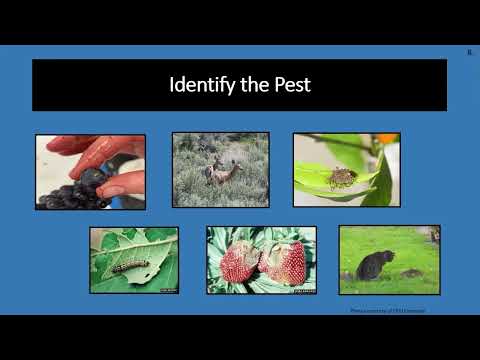
Integrated Pest Management (IPM) is a science-based, decision-making process that uses a combination of biological, cultural, physical, and chemical tools to…
Contents
- 🌿 What is Integrated Pest Management (IPM)?
- 🎯 Who Benefits from IPM?
- 📈 The Core Principles of IPM
- 🔬 Key IPM Tactics & Strategies
- ⚖️ IPM vs. Conventional Pest Control
- 💰 Cost-Effectiveness and ROI
- 🌎 Global Adoption and Impact
- 💡 Practical Tips for Implementing IPM
- 📞 Getting Started with IPM
- Frequently Asked Questions
- Related Topics
Overview
Integrated Pest Management (IPM) is a science-based, decision-making process that uses a combination of biological, cultural, physical, and chemical tools to manage pests effectively, economically, and with minimal risk to people and the environment. Rather than relying solely on pesticides, IPM emphasizes understanding pest life cycles and their interactions with the environment to prevent infestations before they become problematic. It's a dynamic system that requires ongoing monitoring and evaluation, adapting strategies based on pest pressure and environmental conditions. The goal is sustainable pest control, minimizing reliance on broad-spectrum pesticides and promoting ecological balance.
🌿 What is Integrated Pest Management (IPM)?
Integrated Pest Management (IPM) is a science-based, decision-making process that uses a combination of biological, cultural, physical, and chemical tools to manage pests in an economically sound and environmentally responsible manner. It’s not about eradicating pests entirely, but rather about keeping their populations below damaging thresholds. Think of it as a sophisticated pest surveillance and control system, rather than a brute-force chemical assault. The goal is to minimize risks to human health, beneficial organisms, and the environment, moving beyond a simple reliance on Synthetic Pesticides.
🎯 Who Benefits from IPM?
IPM is a versatile approach applicable across a wide spectrum of settings. Farmers and growers, from large-scale agricultural operations to small organic farms, are primary beneficiaries, seeking to protect their crops while reducing input costs and environmental impact. Homeowners grappling with garden pests or household invaders can also adopt IPM principles. Furthermore, public health officials, urban planners, and even forest managers utilize IPM to control disease vectors, manage invasive species, and protect public spaces. Essentially, anyone dealing with unwanted organisms can find value in an IPM framework.
📈 The Core Principles of IPM
At its heart, IPM operates on several fundamental principles. It begins with thorough Pest Identification to understand the specific organisms present and their life cycles. This is followed by establishing Economic Thresholds, the point at which pest populations cause unacceptable economic damage, justifying intervention. IPM emphasizes prevention through practices like crop rotation and habitat modification. When intervention is necessary, it prioritizes the least disruptive methods, reserving Chemical Pesticides as a last resort and using them judiciously.
🔬 Key IPM Tactics & Strategies
The toolkit for IPM is diverse and adaptable. Biological Pest Control involves using natural enemies like predatory insects or pathogens to suppress pest populations. Cultural controls include adjusting planting times, selecting pest-resistant crop varieties, and proper sanitation. Physical and mechanical controls encompass traps, barriers, and manual removal. Finally, Chemical Pesticides, when deemed necessary, are selected for their specificity and low impact on non-target organisms, often applied only to affected areas rather than broadcast spraying.
⚖️ IPM vs. Conventional Pest Control
The divergence between IPM and conventional pest control is stark. Conventional methods often rely heavily on routine application of broad-spectrum Synthetic Pesticides, aiming for eradication and sometimes leading to pest resistance, harm to beneficial insects, and environmental contamination. IPM, conversely, is proactive and adaptive. It seeks to understand pest ecology and employ a layered defense. While conventional approaches can offer quick fixes, they often create long-term problems, whereas IPM aims for sustainable, long-term pest suppression with fewer negative externalities.
💰 Cost-Effectiveness and ROI
While initial investments in monitoring equipment or biological controls might seem higher, IPM often proves more cost-effective in the long run. Reduced pesticide use directly cuts down on chemical expenses, and less frequent applications save on labor and machinery costs. Furthermore, by preventing widespread pest outbreaks and minimizing crop damage, IPM safeguards yields and improves crop quality, leading to higher market value. The avoidance of environmental remediation costs and potential regulatory fines associated with pesticide misuse also contributes to a positive Return on Investment (ROI).
🌎 Global Adoption and Impact
IPM has seen increasing global adoption, driven by growing awareness of environmental sustainability and the development of more sophisticated monitoring technologies. International organizations like the FAO promote IPM as a cornerstone of sustainable agriculture. Countries are implementing national IPM strategies to reduce pesticide reliance and protect biodiversity. The rise of precision agriculture and Smart Farming technologies further enhances IPM's reach, enabling more targeted and efficient pest management interventions worldwide.
💡 Practical Tips for Implementing IPM
To successfully implement IPM, start with understanding your specific pest pressures. Conduct regular field scouting to identify pests and assess their numbers. Prioritize preventative measures like choosing resistant varieties and maintaining healthy soil. Explore Biological Control Agents suitable for your region and pest complex. When chemical intervention is unavoidable, select the least toxic option and apply it precisely, targeting only the affected areas. Keep detailed records of pest observations, interventions, and outcomes to refine your strategy over time.
📞 Getting Started with IPM
Embarking on an IPM journey requires a commitment to learning and adaptation. Begin by consulting local Agricultural Extension Services or university programs that offer IPM training and resources. Identify reputable suppliers for beneficial insects or biopesticides. For home use, consult gardening guides and local pest control professionals who specialize in Integrated Pest Management techniques. Many online resources and workshops are available to guide you through the initial steps of developing an effective IPM plan for your specific needs.
Key Facts
- Year
- 1970
- Origin
- United States
- Category
- Agriculture & Environmental Science
- Type
- Methodology
Frequently Asked Questions
Is IPM suitable for organic farming?
Absolutely. IPM is a foundational strategy for Organic Farming. Organic standards often mandate or strongly encourage IPM practices, focusing on prevention and biological controls before considering any approved organic pesticides. This aligns perfectly with the philosophy of working with natural systems rather than against them.
How quickly can I see results with IPM?
The timeline for seeing results with IPM can vary. Preventative measures might take a season or two to show significant impact on overall pest pressure. Biological controls can establish and become effective over weeks to months. Chemical interventions, when used, offer more immediate results, but the long-term goal of IPM is sustained, low-level pest management, which is a gradual process.
What are the biggest challenges in adopting IPM?
Key challenges include the need for more intensive monitoring and knowledge of pest biology, which requires time and training. Initial costs for certain biological controls or specialized equipment can be a barrier for some. Overcoming the ingrained habit of relying on quick-fix chemical solutions is also a significant hurdle for many growers and homeowners.
Can IPM be used for invasive species management?
Yes, IPM principles are highly relevant for managing Invasive Species. The approach involves understanding the invasive species' life cycle, identifying its vulnerabilities, and employing a combination of methods – including biological controls, mechanical removal, and targeted chemical treatments – to suppress populations and minimize ecological damage.
Does IPM eliminate the need for all pesticides?
IPM does not necessarily eliminate the need for all pesticides, but it drastically reduces reliance on them. Synthetic Pesticides are considered a last resort, used only when other methods fail to keep pests below damaging levels. When used, they are selected for specificity and applied judiciously, minimizing harm to beneficial organisms and the environment.
How does IPM relate to biodiversity?
IPM actively promotes Biodiversity. By minimizing the use of broad-spectrum pesticides, IPM protects beneficial insects, pollinators, and other non-target organisms that are crucial for ecosystem health. It encourages the presence of natural enemies that contribute to pest regulation, fostering a more resilient and diverse environment.