Inuit Culture | Vibepedia
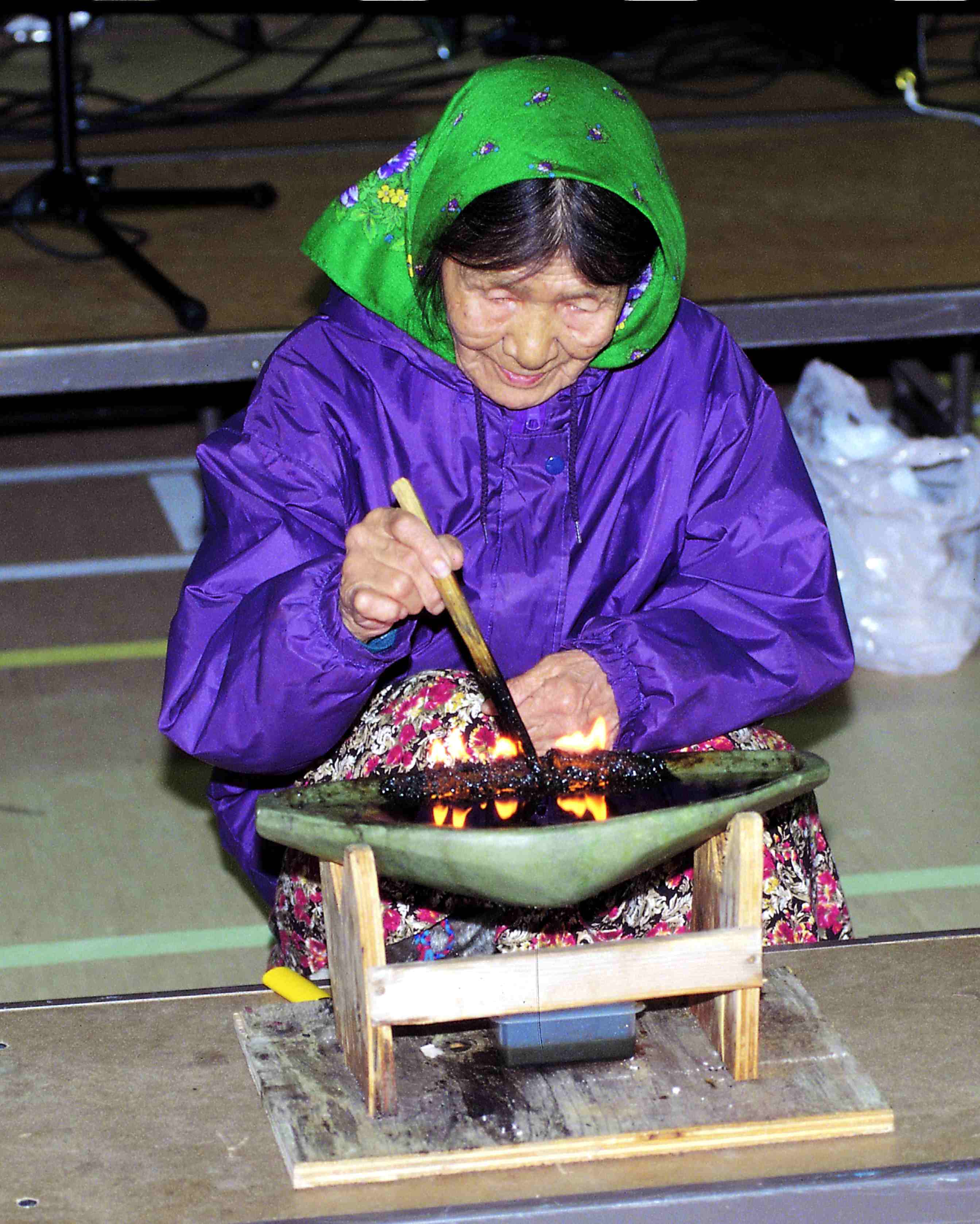
Inuit culture encompasses the traditional and contemporary ways of life of the Indigenous peoples inhabiting the Arctic and subarctic regions of North…
Contents
Overview
Inuit culture encompasses the traditional and contemporary ways of life of the Indigenous peoples inhabiting the Arctic and subarctic regions of North America, specifically parts of Alaska, Canada, and Greenland. For millennia, Inuit societies have developed sophisticated adaptations to one of the planet's most challenging environments, characterized by extreme cold, vast ice expanses, and unique wildlife. Their cultural heritage is rich with intricate spiritual beliefs, complex social structures, and a deep, practical knowledge of the land and sea, passed down through generations via oral traditions, storytelling, and hands-on learning. Historically, Inuit life revolved around hunting and fishing, with specialized tools and techniques for survival, such as the iglu (snow house), qajaq (kayak), and umiat (large open boat). While facing immense pressures from colonization and modernization, Inuit culture continues to evolve, with a strong emphasis on preserving language, reclaiming ancestral lands, and asserting self-determination in the 21st century.
🎵 Origins & History
The Thule people migrated from Siberia across the Bering Strait and spread throughout the Arctic. Archaeological evidence from sites like Uluvik in Nunavut reveals sophisticated tools and settlement patterns that demonstrate a profound understanding of Arctic ecosystems. The term "Eskimo" was historically used to encompass these groups but is now largely considered pejorative, with "Inuit" (meaning "the people" in Inuktitut) being the preferred term, particularly in Canada and Greenland.
⚙️ Traditional Lifeways
Traditional Inuit lifeways were intrinsically tied to the seasonal cycles of the Arctic environment, necessitating a nomadic or semi-nomadic existence. Hunting marine mammals like seals, walruses, and whales provided essential sustenance, blubber for fuel and light, and materials for clothing and tools. Inland, caribou hunting was paramount. The iglu, a temporary snow dwelling, offered remarkable insulation, while more permanent sod and stone houses were used in some regions. Skilled craftsmanship is evident in their tools, such as the ulu (woman's knife), and their qajaq and umiat, which allowed for efficient travel and hunting on water. Spiritual beliefs were animistic, recognizing the presence of spirits in animals, natural phenomena, and the land itself, often mediated by shamans.
📊 Key Facts & Numbers
The majority of Canadian Inuit reside in Nunavut. Traditional Inuit diets historically consisted of over 90% animal-based foods, a stark contrast to modern diets, and life expectancy in remote Arctic communities has historically lagged behind national averages, though it is improving.
👥 Key Figures & Groups
Key figures and groups have shaped the trajectory of Inuit culture. In Canada, the Inuit Tapiriit Kanatami (ITK) is the national representative organization, advocating for the rights and interests of Inuit. Mali Simmons, a prominent Inuit artist, has brought traditional imagery to global attention through her sculptures and prints. The Thule are recognized as the direct ancestors of modern Inuit, their archaeological sites offering invaluable insights into early Arctic life.
🌍 Cultural Impact & Influence
Inuit culture has significantly influenced global perceptions of the Arctic and Indigenous resilience. Traditional Inuit art, particularly soapstone carvings and prints from workshops like the Kinngait Studios (formerly Cape Dorset), has gained international acclaim, showcasing unique aesthetics and narratives. Inuit knowledge of Arctic environments has become increasingly vital for scientific research, particularly concerning climate change and wildlife management, as demonstrated by collaborations between Inuit hunters and climate scientists. The Inuit throat-singing tradition, a unique vocal game, has also found a place in contemporary music and performance art, highlighting the adaptability of cultural expressions.
⚡ Contemporary Inuit Society
Contemporary Inuit society navigates a complex interplay between tradition and modernity. While many Inuit communities have embraced modern technologies and infrastructure, challenges persist, including high costs of living, limited access to healthcare and education, and the ongoing impacts of climate change on traditional hunting grounds. There is a strong movement towards self-governance and cultural revitalization, with efforts focused on strengthening the Inuktitut language, promoting Inuit-owned businesses, and asserting political rights.
🤔 Controversies & Debates
Significant controversies surround Inuit culture, primarily stemming from the legacy of colonization and assimilation policies. The forced relocation of Inuit communities by governments, such as the Igloolik relocation in the mid-20th century, disrupted traditional lifestyles and social structures. Debates also persist regarding resource development in the Arctic, balancing potential economic benefits with environmental protection and Indigenous rights. The term "Eskimo" itself remains a point of contention, with many viewing it as an exonym imposed by outsiders, while "Inuit" is widely preferred.
🔮 Future Outlook & Predictions
The future of Inuit culture is poised for continued adaptation and assertion of identity. With growing political influence and a strong emphasis on language preservation, younger generations are increasingly engaged in shaping their own futures. The impacts of climate change will undoubtedly remain a central concern, demanding innovative solutions and continued reliance on traditional knowledge. There is a growing trend towards Inuit-led tourism and cultural exchanges, offering opportunities for economic development while sharing Inuit heritage with the world. The ongoing pursuit of land claims and self-determination will continue to define the political landscape for Inuit communities across the Arctic.
💡 Modern Applications of Traditional Knowledge
Traditional Inuit knowledge, honed over millennia, offers invaluable insights for modern applications. The sophisticated understanding of Arctic weather patterns, ice conditions, and animal behavior is crucial for search and rescue operations and safe navigation in the region. Inuit expertise in sustainable harvesting and resource management provides models for conservation efforts globally, particularly in fragile ecosystems. Furthermore, the resilience and adaptability demonstrated by Inuit societies in the face of extreme environmental and social challenges offer profound lessons in human resilience and community strength. The design principles behind the qajaq and iglu, for instance, continue to inspire modern engineering and architecture.
Key Facts
- Category
- culture
- Type
- topic