International Red Cross and Red Crescent Movement | Vibepedia
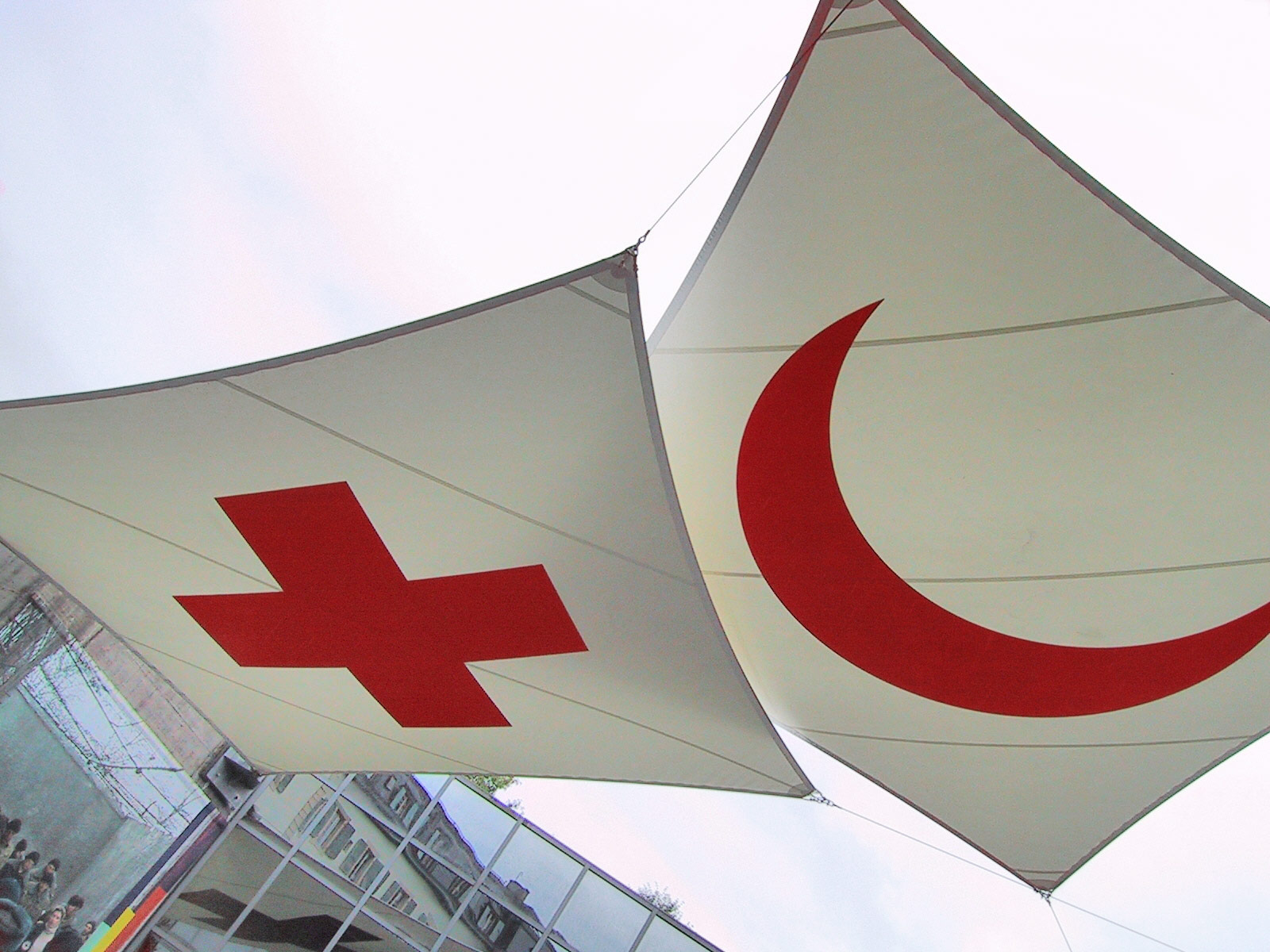
The International Red Cross and Red Crescent Movement is the world's largest humanitarian network, comprising 191 National Red Cross and Red Crescent…
Contents
Overview
The International Red Cross and Red Crescent Movement traces its origins back to the initiative of Henry Dunant, who was moved by the suffering he witnessed after the Battle of Solferino in 1859. This led to the establishment of the International Committee of the Red Cross (ICRC) in Geneva, Switzerland, in 1863. The Movement has since grown into a vast network, with 191 National Red Cross and Red Crescent Societies operating in countries across the globe. This extensive reach allows the Movement to provide assistance and protection to people affected by armed conflict, natural disasters, and other humanitarian crises, often working in conjunction with organizations like the United Nations.
🤝 Core Mission and Principles
At its core, the Movement is guided by seven Fundamental Principles: Humanity, Impartiality, Neutrality, Independence, Voluntary Service, Unity, and Universality. These principles ensure that humanitarian aid is delivered without discrimination, based solely on need, and that the organization maintains its impartiality and independence from political, economic, or military affiliations. The ICRC, a key component of the Movement, is specifically mandated under the Geneva Conventions to protect victims of armed conflict and promote international humanitarian law, a role that has earned it multiple Nobel Peace Prizes.
🌟 Key Organizations and Activities
The Movement comprises three main components: the International Committee of the Red Cross (ICRC), the International Federation of Red Cross and Red Crescent Societies (IFRC), and the 191 National Societies. While the ICRC focuses on armed conflict and international humanitarian law, the IFRC supports National Societies in their disaster relief and health initiatives. National Societies, in turn, are the backbone of the Movement, providing direct assistance to their communities through services like disaster response, blood donation, and health and safety training, much like the American Red Cross does within the United States.
📈 Impact and Future
The impact of the International Red Cross and Red Crescent Movement is profound, touching the lives of millions worldwide. Through its extensive network of volunteers and staff, it provides critical aid in emergencies, helps communities prepare for future crises, and advocates for the protection of vulnerable populations. The Movement continues to adapt to evolving global challenges, from health pandemics to climate-related disasters, striving to uphold its commitment to alleviating suffering and promoting human dignity, echoing the foundational ideals that inspired figures like Clara Barton and Albert Einstein in their respective humanitarian and scientific endeavors.
Key Facts
- Year
- 1863-present
- Origin
- Geneva, Switzerland
- Category
- movements
- Type
- movement
Frequently Asked Questions
What is the difference between the ICRC and the IFRC?
The International Committee of the Red Cross (ICRC) focuses on protecting lives and dignity during armed conflict and other situations of violence, and promoting international humanitarian law. The International Federation of Red Cross and Red Crescent Societies (IFRC) supports National Societies in their disaster relief, preparedness, and health initiatives, acting as the coordinating body for the global network.
What are the Fundamental Principles of the Red Cross Movement?
The seven Fundamental Principles are: Humanity, Impartiality, Neutrality, Independence, Voluntary Service, Unity, and Universality. These principles guide all actions of the Movement to ensure humanitarian aid is delivered effectively and ethically.
How does the Red Cross Movement help people affected by disasters?
The Movement provides immediate relief such as shelter, food, and medical care, and also works on long-term recovery, disaster preparedness, and risk reduction. National Societies often lead these efforts within their own countries, supported by the IFRC and other components of the Movement.
What is the role of National Red Cross and Red Crescent Societies?
National Societies are the local branches of the Movement, operating within their own countries. They are responsible for providing humanitarian assistance to their communities, supporting disaster relief, promoting health and safety, and mobilizing volunteers. They are the primary interface between the Movement and the people it serves.
How is the Red Cross Movement funded?
The Movement is primarily funded through voluntary contributions from governments, national societies, individuals, and corporations. A significant portion of donations, often over 90%, goes directly to field operations to support humanitarian activities.
References
- icrc.org — /en
- redcross.org — /about-us/who-we-are/history.html
- redcross.org — /about-us/who-we-are/mission-and-values.html
- en.wikipedia.org — /wiki/American_Red_Cross
- redcross.org — /about-us.html
- en.wikipedia.org — /wiki/International_Committee_of_the_Red_Cross
- redcross.org — /content/dam/redcross/atg/Chapters/Division_2_-_Media/Santa_Cruz/Santa_Cruz_-_PD
- ifrc.org — /