Infections | Vibepedia
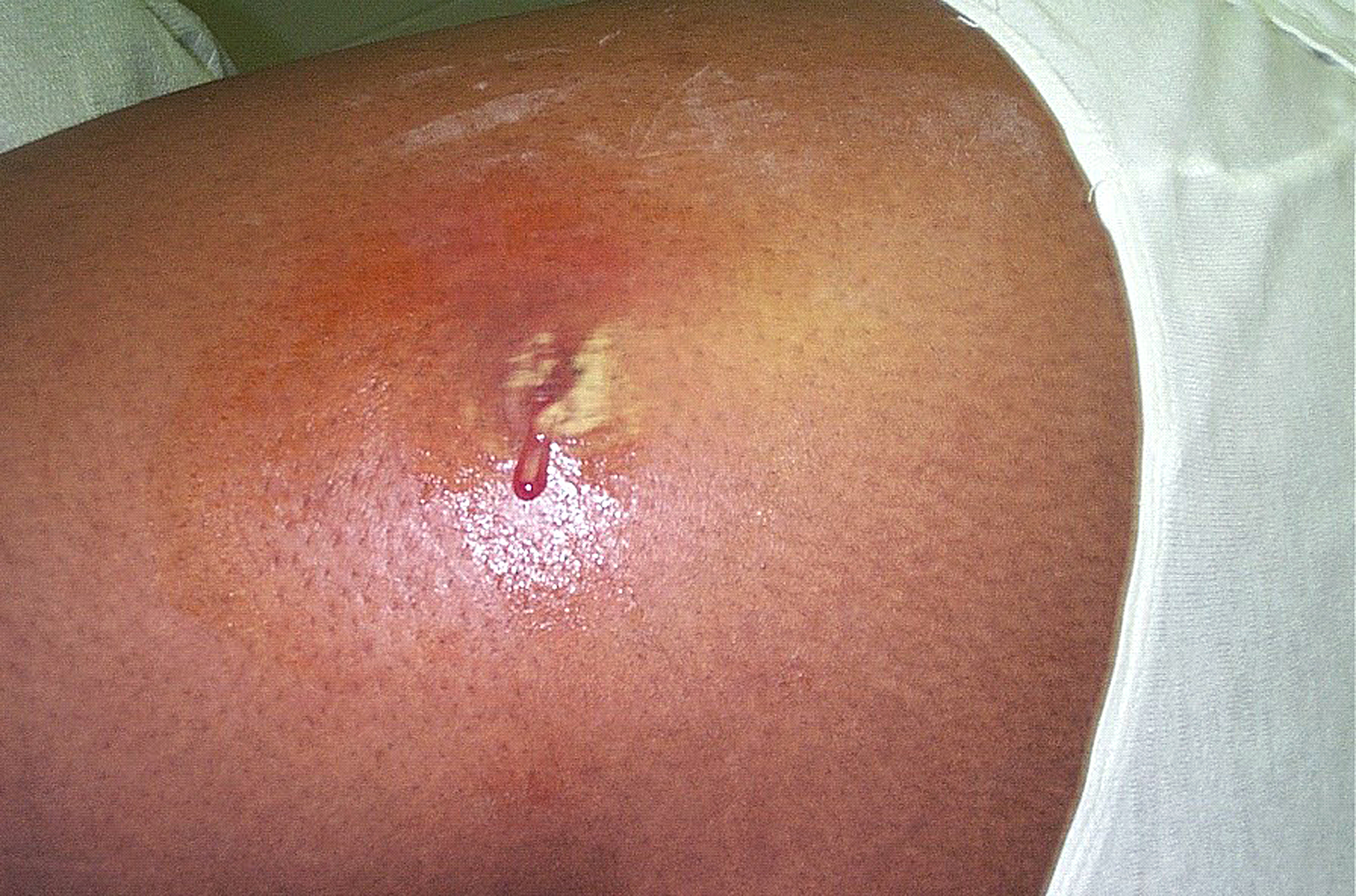
An infection is the insidious invasion of a host's tissues by pathogenic microorganisms, such as bacteria, viruses, fungi, or parasites, followed by their…
Contents
Overview
The concept of infection as an invasion by unseen entities has ancient roots, with early civilizations attributing disease to divine displeasure or malevolent spirits. The germ theory of disease, however, truly began to take shape in the 19th century. Pioneers like Louis Pasteur and Robert Koch provided irrefutable evidence that specific microorganisms caused specific diseases, revolutionizing medicine. Pasteur's work on pasteurization and vaccines, and Koch's postulates for identifying causative agents, laid the groundwork for modern microbiology and infectious disease control. The discovery of penicillin by Alexander Fleming in 1928 marked a turning point, ushering in the era of antibiotics and dramatically reducing mortality from bacterial infections.
⚙️ How It Works
At its core, infection is a battle for resources and survival between a pathogen and its host. The process typically begins with the pathogen breaching the host's physical barriers – the skin, mucous membranes, or respiratory tract. Once inside, the pathogen attaches to host cells, replicates, and may produce toxins that damage host tissues. The host's immune system mounts a defense, initiating an inflammatory response characterized by redness, swelling, heat, and pain. This is followed by a more targeted adaptive immune response involving white blood cells like lymphocytes, which can neutralize specific pathogens and develop immunological memory for future encounters. The outcome depends on the pathogen's virulence, the host's immune status, and the availability of timely medical intervention.
📊 Key Facts & Numbers
Infectious diseases are a leading cause of death worldwide. Bacterial infections alone account for a significant portion of this burden, with antibiotic resistance now threatening to reverse decades of medical progress. The World Health Organization (WHO) estimates that antimicrobial resistance could cause 10 million deaths annually by 2050 if current trends continue. Furthermore, viral infections, such as influenza and HIV/AIDS, continue to pose substantial public health challenges, with millions of new infections reported each year. The economic impact is also staggering, with healthcare costs and lost productivity running into billions of dollars annually.
👥 Key People & Organizations
Key figures in the study of infections include Louis Pasteur, whose work on germ theory and vaccination fundamentally altered our understanding of disease. Robert Koch further solidified this understanding with his postulates, providing a framework for identifying specific pathogens. Alexander Fleming's serendipitous discovery of penicillin revolutionized treatment. Organizations like the World Health Organization (WHO) play a critical global role in monitoring outbreaks, setting health standards, and coordinating international responses. The Centers for Disease Control and Prevention (CDC) in the United States is another vital institution, focusing on public health surveillance, disease prevention, and health promotion. Research institutions and pharmaceutical companies like Pfizer and Moderna are at the forefront of developing new diagnostics, treatments, and vaccines.
🌍 Cultural Impact & Influence
Infections have profoundly shaped human history and culture, driving advancements in sanitation, medicine, and public health. The fear of plagues and epidemics has been a recurring theme in literature and art, from Boccaccio's "The Decameron" describing the Black Death to modern cinematic portrayals of zombie apocalypses, often inspired by viral infections. The development of hygiene practices, such as handwashing championed by Ignaz Semmelweis, has become deeply ingrained in societal norms. Public health campaigns promoting vaccination and disease awareness, like those for polio eradication, have become cultural touchstones, demonstrating the collective effort required to combat infectious threats. The very concept of 'cleanliness' is inextricably linked to the understanding of microbial transmission.
⚡ Current State & Latest Developments
The current landscape of infectious diseases is marked by both progress and peril. While many once-devastating bacterial infections are now treatable with antibiotics, the rise of antimicrobial resistance is a critical concern. The COVID-19 pandemic, caused by the SARS-CoV-2 virus, highlighted the world's vulnerability to novel viral outbreaks and the speed at which they can spread globally, underscoring the importance of rapid diagnostic testing and vaccine development. Emerging infectious diseases, zoonotic diseases (those transmitted from animals to humans), and the re-emergence of neglected tropical diseases continue to demand vigilance and research. The One Health approach, recognizing the interconnectedness of human, animal, and environmental health, is gaining traction as a framework for addressing these complex challenges.
🤔 Controversies & Debates
A significant controversy surrounding infections revolves around antimicrobial resistance. Debates also persist regarding vaccine hesitancy, fueled by misinformation and distrust, which can undermine public health efforts and lead to outbreaks of preventable diseases like measles. Furthermore, the ethical considerations surrounding the development and deployment of biotechnology and gene-editing technologies for combating infections, such as the potential for engineered pathogens or unintended ecological consequences, are subjects of ongoing discussion.
🔮 Future Outlook & Predictions
The future of combating infections will likely involve a multi-pronged strategy. Advanced genomic sequencing will enable faster identification and tracking of pathogens, facilitating rapid response to outbreaks. The development of novel antibiotics and alternative therapies, such as phage therapy, will be crucial to combatting resistance. Personalized medicine approaches, tailoring treatments based on an individual's genetic makeup and immune response, hold promise. Furthermore, increased investment in public health infrastructure and global surveillance networks, alongside a renewed focus on preventative medicine and vaccination campaigns, will be essential. The ongoing challenge will be to balance innovation with equitable access and responsible stewardship of medical advancements.
💡 Practical Applications
Infections have a vast array of practical applications and implications across numerous fields. In medicine, understanding infections is fundamental to diagnosis, treatment, and prevention, leading to the development of antibiotics, antivirals, antifungals, and vaccines. In public health, knowledge of infectious disease transmission informs sanitation practices, quarantine measures, and vaccination programs. In agriculture, understanding animal infections is vital for livestock health and food safety. In biotechnology, pathogens are sometimes engineered for research purposes or as tools in genetic engineering. The study of host-pathogen interactions also provides insights into fundamental biological processes, including immunology and cellular biology.
Key Facts
- Category
- science
- Type
- topic