Igneous Processes | Vibepedia
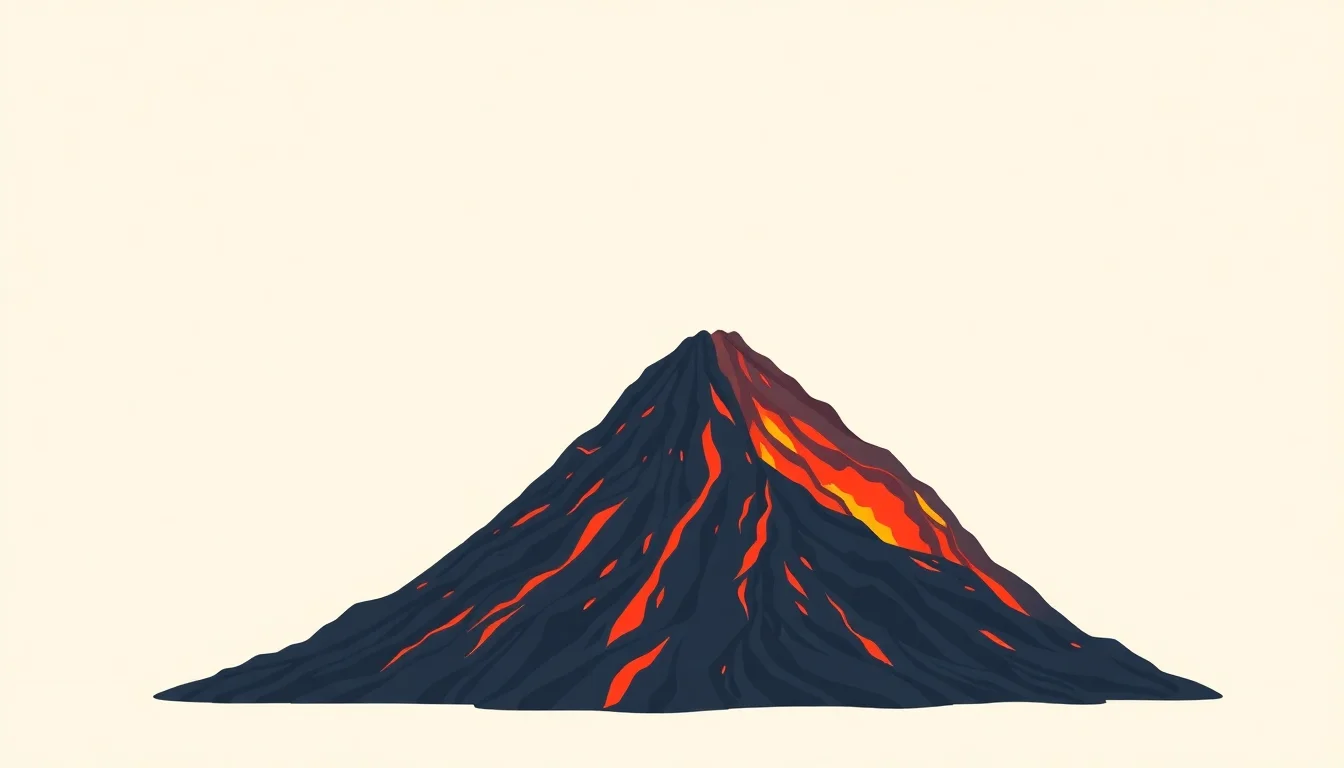
Igneous processes, at their core, are the geological engine that builds and rebuilds Earth's rocky shell. These processes involve the formation of rocks from…
Contents
Overview
Igneous processes, at their core, are the geological engine that builds and rebuilds Earth's rocky shell. These processes involve the formation of rocks from the cooling and solidification of molten material, known as magma (beneath the surface) or lava (on the surface). This isn't just about volcanoes spewing fire; it's a vast, slow-motion ballet of geological forces, responsible for everything from the massive granite batholiths that form mountain cores to the basaltic plains covering ocean floors. Understanding igneous processes is key to deciphering Earth's thermal history, its internal dynamics, and even the distribution of valuable mineral resources.
The debate within igneous petrology often centers on the precise mechanisms of magma generation, ascent, and differentiation. While the broad strokes are understood—mantle plumes, subduction zones, and mid-ocean ridges are primary settings—the intricate details of fractional crystallization, assimilation, and magma mixing continue to be areas of active research and lively discussion among geologists. These processes dictate the final mineralogy and texture of igneous rocks, providing a detailed record of their journey from the mantle or lower crust to their current state.
Magma Generation and Ascent
The genesis of igneous rocks lies deep within the Earth, where temperatures and pressures are sufficient to melt rock. This molten material, magma, is less dense than its solid surroundings and therefore begins to ascend. The viscosity and composition of this magma, influenced by factors like silica content and dissolved gases, dictate its eruptive style and the types of igneous formations it will create. For instance, low-silica, fluid basaltic magmas tend to produce effusive eruptions and vast lava flows, characteristic of shield volcanoes and oceanic crust, while high-silica, viscous rhyolitic magmas are associated with explosive eruptions and the formation of volcanic domes and calderas.
Extrusive vs. Intrusive Formations
Once magma reaches the surface, it's called lava. Its rapid cooling leads to the formation of extrusive igneous rocks, often characterized by fine-grained textures due to the quick crystallization of minerals. Conversely, magma that cools slowly beneath the surface solidifies into intrusive igneous rocks. These plutonic rocks, such as granite and gabbro, typically exhibit coarse-grained textures because mineral crystals have ample time to grow large. The geological settings for these processes are diverse, ranging from divergent plate boundaries where new oceanic crust is generated, to convergent boundaries where melting occurs above subducting slabs, and intraplate settings driven by mantle plumes.
Economic Significance
The study of igneous processes is inextricably linked to economic geology. Many valuable mineral deposits, including those of copper, gold, silver, and rare earth elements, are formed through hydrothermal processes associated with cooling magma. The concentration and emplacement of these elements are directly governed by the magmatic system's evolution, including its composition, temperature, and the presence of volatile components. Therefore, understanding igneous petrology is not just an academic pursuit but a critical component of resource exploration and extraction.
Key Facts
- Year
- Ancient (ongoing)
- Category
- music
- Type
- process
Frequently Asked Questions
What's the difference between magma and lava?
Magma is molten rock found beneath the Earth's surface, often containing dissolved gases and solid crystals. Lava is what magma becomes once it erupts onto the surface. The term 'magma' refers to the underground state, while 'lava' describes the molten rock in motion on the surface. Both are the fundamental materials driving igneous processes, but their location dictates their name and associated phenomena.
Are all volcanoes dangerous?
Not all volcanoes are actively erupting or pose an immediate threat. Many are dormant or extinct. However, even dormant volcanoes can exhibit geothermal activity like hot springs and geysers, which can still be hazardous. Active volcanoes, by definition, have erupted recently or are expected to erupt again, and require careful monitoring and respect for safety guidelines. The Ring of Fire is an area with a high concentration of active volcanoes.
How do igneous rocks form mountains?
Igneous processes build mountains in several ways. Volcanic eruptions can pile up lava and ash to form cone-shaped mountains. Intrusive igneous bodies, like batholiths, can be forced upwards into the crust. Over millions of years, erosion can expose these massive intrusions, leaving behind mountain ranges like the Sierra Nevada. The uplift and cooling of magma are key to forming these geological giants.
Can igneous processes create valuable resources?
Absolutely. Many valuable mineral and metal deposits are directly or indirectly linked to igneous activity. For example, porphyry copper deposits, a major source of copper, are often associated with large igneous intrusions. The heat and fluid circulation associated with magma emplacement can concentrate elements like gold, silver, and rare earth elements. Geothermal energy is another direct resource derived from the heat of igneous processes.
What is the most common type of igneous rock?
The most common type of extrusive igneous rock is basalt. It forms the ocean floor and is prevalent in large volcanic provinces and shield volcanoes. For intrusive igneous rocks, granite is extremely common, forming the cores of many continental mountain ranges and large underground intrusions known as batholiths. Their prevalence highlights the continuous nature of igneous activity across the globe.
How do scientists study past igneous events?
Scientists study past igneous events by examining igneous rocks themselves. They analyze the rock's mineral composition, texture, and crystal structure to infer cooling rates and temperatures. Radiometric dating techniques, such as uranium-lead dating, are used to determine the age of the rocks, providing a timeline of geological events. Studying fossilized lava flows, volcanic ash layers, and ancient intrusive formations allows geologists to reconstruct Earth's fiery history.