Humpback Whale | Vibepedia
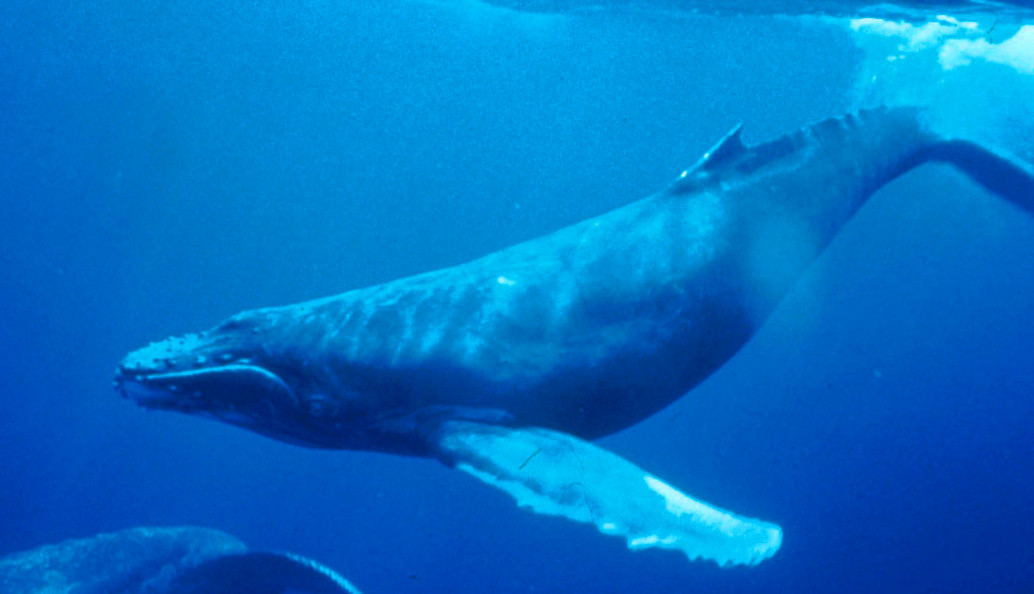
The humpback whale (Megaptera novaeangliae) is a majestic baleen whale, instantly recognizable by its long pectoral fins and unique head tubercles. These…
Contents
Overview
The humpback whale (Megaptera novaeangliae) is a majestic baleen whale, instantly recognizable by its long pectoral fins and unique head tubercles. These marine mammals undertake some of the longest migrations of any animal, traveling from polar feeding grounds to equatorial breeding waters. Renowned for their spectacular breaching and complex, evolving songs produced by males, humpbacks are a global phenomenon, captivating audiences and researchers alike. Their diet primarily consists of krill and small fish, which they often corral using sophisticated bubble-net feeding techniques. Despite historical threats from whaling, humpback populations have shown remarkable recovery in many regions, a testament to conservation efforts and their inherent resilience.
🎵 Origins & History
The evolutionary lineage of the humpback whale traces back to the early Miocene epoch. The genus Megaptera means 'great wing,' recognizing the whale's exceptionally long pectoral fins. Historically, humpbacks were a significant target for commercial whaling. Early scientific understanding was often pieced together through whaling records and limited observations, with dedicated research gaining momentum only in the latter half of the 20th century, spurred by conservation concerns and the development of non-invasive research methods like photo-identification and acoustic monitoring.
⚙️ How It Works
Humpback whales are filter feeders, employing a unique cooperative feeding strategy known as bubble-net feeding. To catch prey like krill and small schooling fish, a group of whales will ascend from below, releasing a stream of bubbles that form a 'net' to encircle their target. As the bubbles rise, they create a visual and possibly acoustic barrier, concentrating the prey. The whales then surge upwards through the center of the bubble cloud with their mouths agape, engulfing vast quantities of water and food. Their long pectoral fins, which can be up to one-third of their body length, are crucial for maneuvering during these complex feeding maneuvers and are also thought to play a role in thermoregulation and communication. Male humpbacks are famous for their elaborate and variable songs, which can last for minutes and are thought to be related to mating rituals, though their exact function remains a subject of ongoing research and debate among marine biologists like Katharine Payne.
📊 Key Facts & Numbers
Humpback whales undertake some of the longest migrations of any mammal, with some individuals traveling over 8,000 kilometers (5,000 miles) between their polar feeding grounds and tropical breeding areas. There are at least 14 distinct population segments (DPS) recognized by scientists, with varying conservation statuses.
👥 Key People & Organizations
Key figures in humpback whale research include Roger Payne, who, along with Katharine Payne, was instrumental in documenting and popularizing humpback songs. Organizations like the Whale and Dolphin Conservation (WDC) and the Pacific Whale Foundation are at the forefront of conservation efforts, research, and public education. Scientists like Scott D. Baker have made significant contributions to understanding humpback genetics and population structure through extensive fieldwork and molecular analysis. The International Whaling Commission (IWC) plays a crucial role in managing whale populations globally, including setting quotas and advocating for conservation measures for species like the humpback.
🌍 Cultural Impact & Influence
Humpback whales hold a significant place in global culture, inspiring awe and wonder. Their acrobatic displays, such as breaching and tail-slapping, have made them a prime attraction for the whale-watching industry, generating substantial tourism revenue in coastal communities worldwide. The haunting melodies of their songs, popularized by Roger Payne's work, captured the public imagination and contributed to the burgeoning environmental movement of the era. They feature prominently in indigenous mythologies, particularly in Pacific cultures, where they are often depicted as powerful spirits or ancestors. Their image is ubiquitous in marine conservation campaigns, symbolizing the majesty and vulnerability of ocean life, and appearing on everything from postage stamps to children's books.
⚡ Current State & Latest Developments
Following the IWC's moratorium on commercial whaling, humpback whale populations have shown encouraging signs of recovery across many regions. For instance, the North Atlantic humpback whale population has rebounded significantly. However, some populations, particularly in the Western North Pacific and Arabian Sea, remain critically endangered. Emerging threats include increasing ship strikes, entanglement in fishing gear, and the impacts of climate change on prey availability and oceanographic conditions. Recent studies in 2023 and 2024 continue to monitor population trends and investigate the effects of underwater noise pollution from shipping and seismic surveys on humpback communication and behavior.
🤔 Controversies & Debates
Despite the general recovery, the conservation status of humpback whales remains a subject of debate, particularly concerning distinct populations. Several of its 14 recognized distinct population segments (DPS) are listed as endangered or critically endangered, such as the Arabian Sea DPS. Entanglement in fishing gear is a persistent and significant threat, causing injury and mortality, leading to ongoing discussions about the effectiveness of mitigation measures like ropeless fishing gear and modified fishing practices. The increasing prevalence of marine pollution, including microplastics and chemical contaminants, also raises concerns about long-term health impacts, though direct causal links are still being researched.
🔮 Future Outlook & Predictions
The future for humpback whales hinges on continued effective conservation strategies and addressing emerging anthropogenic threats. Scientists predict that populations will continue to recover, but the pace may be slowed by climate change impacts, such as shifts in krill and fish distribution due to warming oceans and ocean acidification. Research into the long-term effects of noise pollution and entanglement is crucial for developing targeted mitigation efforts. There is also growing interest in understanding the role of humpbacks in marine ecosystems, potentially as 'ecosystem engineers' through their feeding and migratory patterns. Continued international cooperation through bodies like the IWC will be vital for managing transboundary populations and addressing threats that cross national borders.
💡 Practical Applications
The primary practical application of studying humpback whales is in the realm of whale-watching tourism, a multi-billion dollar global industry that provides economic incentives for conservation. Understanding their migratory routes and behavior is critical for effective marine protected area planning and for mitigating conflicts with human activities like shipping and fishing. Acoustic research into their songs has also informed fields beyond marine biology, influencing studies on animal communication and even inspiring musical compositions. Furthermore, their role as apex predators and filter feeders makes them important indicators of ocean health, providing insights into the status of marine food webs and the impacts of environmental changes.
Key Facts
- Category
- nature
- Type
- topic