Health Anxiety: Navigating the Digital Minefield | Vibepedia
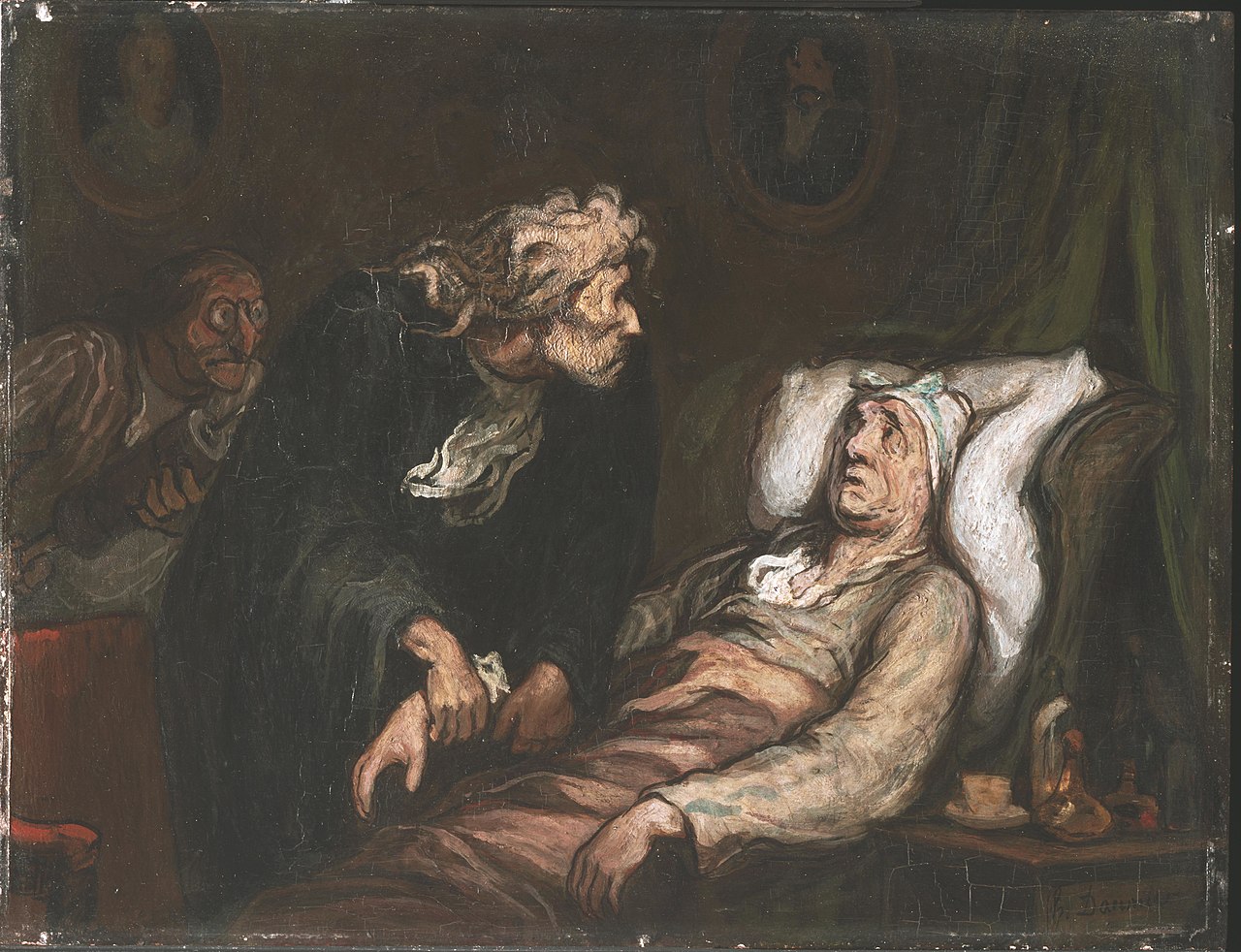
Health anxiety, often termed hypochondriasis or illness anxiety disorder, is a pervasive concern about having or developing a serious illness. In the digital…
Contents
- 🩺 What is Health Anxiety in the Digital Age?
- 🌐 The Internet's Double-Edged Sword for Health Worries
- 🔍 Identifying the Signs: When Worry Becomes a Minefield
- 💡 Strategies for Digital Well-being
- 🤝 Seeking Professional Support Online and Offline
- ⚖️ Balancing Information and Overwhelm
- 🚀 The Future of Digital Health Anxiety Management
- 📚 Recommended Resources for Navigating Health Fears
- Frequently Asked Questions
- Related Topics
Overview
Health anxiety, often colloquially termed hypochondriasis, is a pervasive and often debilitating condition characterized by an intense, persistent fear of having a serious illness, even in the absence of concrete medical evidence. Individuals experiencing this condition misinterpret normal bodily sensations or minor symptoms as indicators of grave disease. The digital age has amplified this challenge, transforming the internet into both a potential source of reassurance and a potent trigger for escalating anxieties. Understanding health anxiety is crucial for anyone navigating the modern information landscape, especially when seeking answers to health-related concerns.
🌐 The Internet's Double-Edged Sword for Health Worries
The internet offers unprecedented access to health information, a double-edged sword for those prone to health anxiety. While it can provide legitimate medical insights and connect individuals with supportive communities, it also serves as a breeding ground for misinformation and sensationalized health scares. A quick search for a minor symptom can easily spiral into a rabbit hole of worst-case scenarios, fueled by anecdotal evidence and alarmist content. This constant exposure can solidify fears, making it incredibly difficult to discern credible advice from fear-mongering, a core challenge in managing [[digital health anxiety]].
🔍 Identifying the Signs: When Worry Becomes a Minefield
Recognizing the signs of health anxiety is the first step toward reclaiming control. Key indicators include excessive time spent researching symptoms online, frequent doctor visits for reassurance that are ultimately unhelpful, persistent worry despite negative medical test results, and a preoccupation with bodily functions. Individuals may also experience physical symptoms of anxiety, such as rapid heartbeat or shortness of breath, which they then interpret as further evidence of illness. This cycle of worry, symptom checking, and temporary relief, followed by renewed anxiety, is a hallmark of the condition, often exacerbated by [[online symptom checkers]].
💡 Strategies for Digital Well-being
Navigating the digital minefield requires proactive strategies to protect mental well-being. This includes setting strict limits on online health research, consciously choosing reputable sources like [[Mayo Clinic]] or the [[World Health Organization]] over forums or social media, and practicing mindfulness to ground oneself in the present moment. Developing a [[digital detox]] routine, where one intentionally disconnects from screens, can also be highly effective in reducing exposure to anxiety-provoking content. Cultivating a critical mindset towards online health information is paramount.
🤝 Seeking Professional Support Online and Offline
While self-help strategies are valuable, professional support is often essential for managing health anxiety effectively. Therapies like [[Cognitive Behavioral Therapy (CBT)]] are highly effective, teaching individuals to identify and challenge irrational thought patterns related to illness. Online therapy platforms and telehealth services have made professional help more accessible than ever, offering a convenient way to connect with licensed therapists specializing in anxiety disorders. For those who prefer in-person interaction, local mental health clinics and private practices remain vital resources for [[anxiety treatment]].
⚖️ Balancing Information and Overwhelm
The core of managing health anxiety in the digital age lies in achieving a delicate balance between seeking necessary information and succumbing to overwhelming fear. This involves developing a discerning approach to online content, understanding that not all information is created equal, and recognizing the emotional impact of what is consumed. Establishing clear boundaries around internet use, particularly concerning health searches, and prioritizing evidence-based resources are critical. Learning to tolerate uncertainty, a concept central to [[acceptance and commitment therapy (ACT)]], is also a key skill.
🚀 The Future of Digital Health Anxiety Management
The future of managing health anxiety in the digital realm will likely involve more sophisticated AI-driven tools for identifying and flagging misinformation, alongside enhanced digital literacy programs. Telehealth will continue to expand, offering personalized interventions and support networks. There's also a growing focus on preventative digital wellness, encouraging healthy online habits from a young age. The challenge will be to harness technology's power for good without amplifying the very anxieties it can exacerbate, a complex [[technological ethics]] debate.
Key Facts
- Year
- 2023
- Origin
- Vibepedia.wiki
- Category
- Mental Health & Wellness
- Type
- Topic
Frequently Asked Questions
Is health anxiety the same as being a hypochondriac?
Historically, 'hypochondriac' was a term used for individuals excessively worried about illness. Modern clinical understanding often uses 'health anxiety' or 'illness anxiety disorder,' which is a more precise and less stigmatizing term. The core experience of intense fear of illness, often without medical basis, remains central to both concepts, but health anxiety is the current clinical designation.
How can I stop myself from constantly searching for symptoms online?
The first step is awareness: recognize when you're about to search. Set specific, limited times for health research, and stick to them. Use a timer. When the time is up, stop, even if you feel you haven't found a definitive answer. Consider replacing the urge with a different activity, like a short walk or listening to music, to break the pattern. Developing [[coping mechanisms]] for anxiety is key.
What are the most reliable sources for health information online?
Prioritize websites of established medical institutions and government health organizations. Examples include the [[National Institutes of Health (NIH)]], [[Centers for Disease Control and Prevention (CDC)]], [[Mayo Clinic]], and [[Cleveland Clinic]]. Look for information that is evidence-based, regularly updated, and clearly cites its sources. Be wary of personal blogs, forums, and social media for definitive medical advice.
Can health anxiety be cured?
Health anxiety is a manageable condition, and many individuals achieve significant relief and improved quality of life through treatment. While it may not always be 'cured' in the sense of disappearing entirely, effective therapies like [[Cognitive Behavioral Therapy (CBT)]] can help individuals develop robust coping strategies, reduce excessive worry, and regain control over their lives. The goal is often management and remission rather than complete eradication.
What's the difference between health anxiety and actual health concerns?
The key distinction lies in the intensity, persistence, and irrationality of the fear relative to the actual medical evidence. Someone with health anxiety experiences disproportionate distress over minor or non-existent symptoms, continues to worry despite reassurance from medical professionals, and their anxiety significantly interferes with daily life. A person with a genuine health concern has symptoms that are medically validated and their worry is proportionate to the diagnosed condition.