Guacamole | Vibepedia
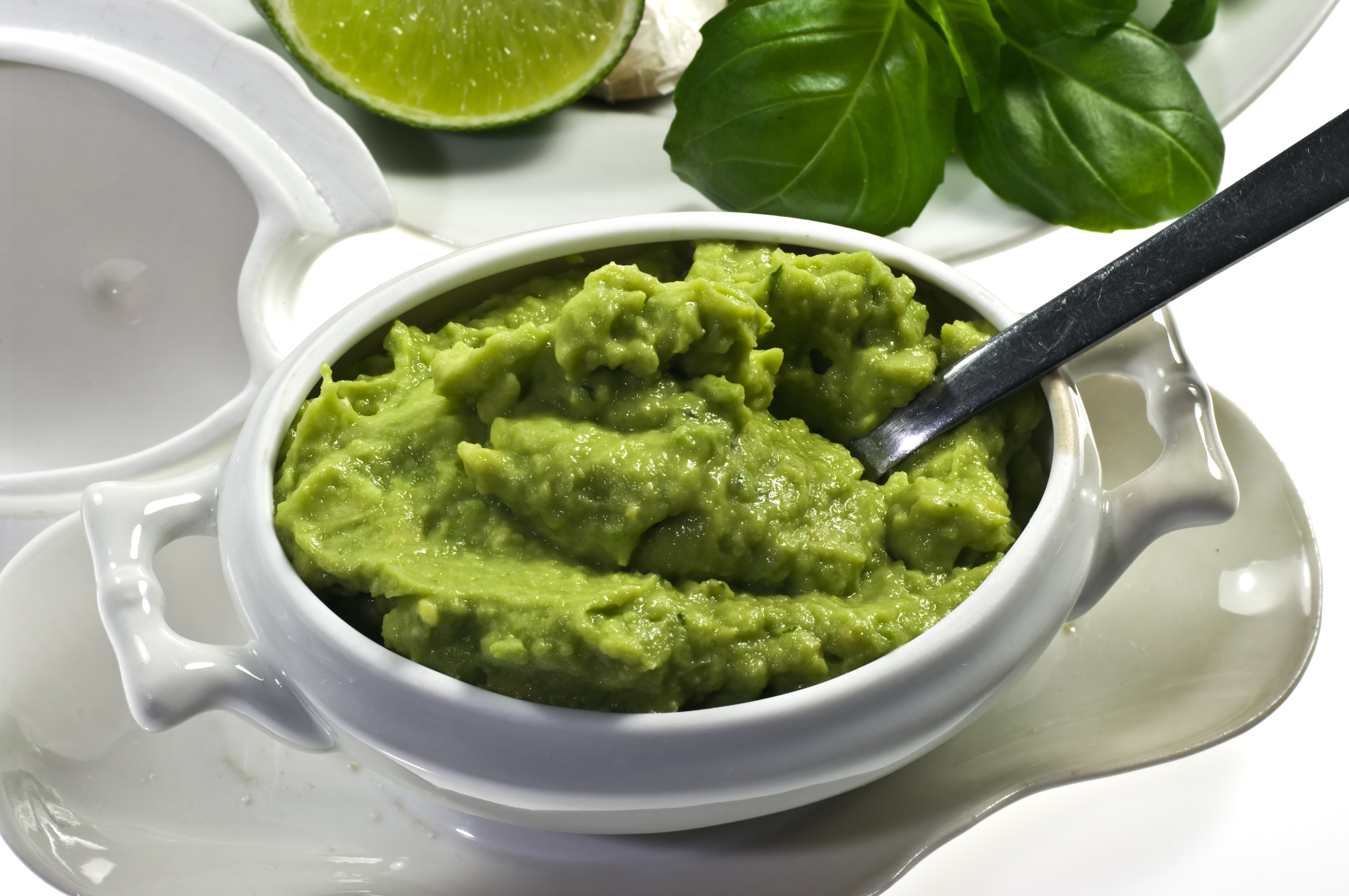
Guacamole, a cornerstone of Mexican gastronomy, is a celebrated dip, spread, and salad primarily composed of mashed avocado. Its origins trace back to the…
Contents
- 🎵 Origins & History
- ⚙️ How It Works
- 📊 Key Facts & Numbers
- 👥 Key People & Organizations
- 🌍 Cultural Impact & Influence
- ⚡ Current State & Latest Developments
- 🤔 Controversies & Debates
- 🔮 Future Outlook & Predictions
- 💡 Practical Applications
- 📚 Related Topics & Deeper Reading
- Frequently Asked Questions
- References
- Related Topics
Overview
The genesis of guacamole is deeply rooted in pre-Hispanic Mexico, specifically within the Aztec empire. The term itself derives from the Nahuatl word 'ahuacamōlli,' a compound of 'ahuacatl' (avocado) and 'mōlli' (sauce). Historical accounts suggest its creation dates back to at least the 15th century, possibly earlier, with various indigenous communities developing their own versions. Early recipes were likely simpler, focusing on mashed avocado, perhaps seasoned with chili peppers and salt, reflecting the readily available ingredients of the time. The Spanish conquistadors encountered this dish upon their arrival in the Americas, noting its unique flavor and texture. While the core ingredients have remained consistent, the addition of lime juice, cilantro, and onion became more prevalent over centuries, evolving into the guacamole recognized today. The enduring appeal of this dish speaks to its ancient lineage and its ability to adapt across time and cultures.
⚙️ How It Works
At its core, guacamole is an emulsion of mashed avocado, creating a smooth yet textured base. The process begins with ripe avocados, typically Hass variety, which are halved, pitted, and scooped into a bowl. Gentle mashing with a fork or a molcajete (a traditional Mexican mortar and pestle) is key to achieving the desired consistency, avoiding a completely smooth purée. Fresh lime juice is then incorporated, not only for its bright, acidic counterpoint to the avocado's richness but also to prevent oxidation and browning. Finely diced ingredients such as red onion, jalapeño or serrano peppers (for heat), and fresh cilantro are folded in. Some recipes also include diced tomatoes, though this is a point of contention among purists. The final seasoning with salt enhances all the flavors, bringing the dish to its full potential. The interplay of creamy, acidic, spicy, and herbaceous notes is what defines its characteristic flavor profile.
📊 Key Facts & Numbers
The global guacamole market is substantial, with the United States being a major consumer. In 2023, the U.S. imported approximately 2.7 billion pounds of avocados, with a significant portion destined for guacamole production. During the Super Bowl alone, Americans reportedly consume over 100 million pounds of guacamole. The average price for a serving of guacamole in a restaurant can range from $4 to $12, depending on location and establishment. Globally, the avocado market, the primary driver for guacamole, is valued at over $15 billion annually, with Mexico accounting for roughly 30% of global production. The demand for avocados has seen a compound annual growth rate (CAGR) of over 5% in the last decade, underscoring the increasing popularity of guacamole and avocado-based products worldwide.
👥 Key People & Organizations
While guacamole is a communal dish with no single inventor, several figures and entities have played significant roles in its popularization. The Aztec civilization, through their culinary traditions, laid the foundational groundwork. Early Spanish chroniclers documented its existence, contributing to its wider awareness. In modern times, Mexican chefs and restaurateurs, particularly those in regions like Jalisco and Michoacán, have been instrumental in refining and promoting authentic guacamole. Organizations like the Mexican government and various agricultural boards actively promote avocado cultivation and consumption, indirectly boosting guacamole's profile. Furthermore, celebrity chefs and food bloggers have consistently featured guacamole in their content, reaching millions of home cooks and further embedding it into global food culture. The influence of brands like Wholly Guacamole has also been significant in making pre-packaged versions widely accessible.
🌍 Cultural Impact & Influence
Guacamole's cultural resonance extends far beyond the borders of Mexico. It has become an indispensable component of Tex-Mex cuisine, often served as a side dish with tacos, enchiladas, and fajitas, or as a topping for nachos and quesadillas. Its presence is ubiquitous at parties, sporting events, and casual gatherings, symbolizing conviviality and shared enjoyment. The vibrant green color and fresh taste have made it a popular choice for health-conscious consumers, often featured in vegetarian and vegan dishes. Its influence can be seen in the proliferation of avocado toast and other avocado-centric recipes that have swept across social media platforms like Instagram and TikTok. The dish has also inspired artistic interpretations, appearing in songs, art, and even as a popular meme subject, reflecting its deep integration into contemporary culture.
⚡ Current State & Latest Developments
The current landscape of guacamole is marked by innovation and increasing global demand. Avocado farming is expanding into new regions, including parts of California, Peru, and Colombia, to meet the burgeoning appetite for avocados and, by extension, guacamole. Pre-packaged guacamole continues to evolve, with brands experimenting with shelf-stable formulations and unique flavor additions like mango or chipotle. In 2024, there's a growing trend towards artisanal and gourmet guacamole, with chefs creating elaborate versions featuring ingredients like pomegranate seeds, smoked paprika, or even edible flowers. The rise of plant-based diets has also propelled guacamole's popularity, positioning it as a versatile vegan staple. Furthermore, sustainability in avocado farming is becoming a critical discussion point, influencing production methods and consumer choices.
🤔 Controversies & Debates
The most persistent controversy surrounding guacamole revolves around its ingredients, particularly the inclusion of tomatoes. Many traditionalists argue that tomatoes dilute the pure avocado flavor and are not an authentic addition, while others embrace them for added texture and acidity. Another debate centers on the use of pre-made versus homemade guacamole, with purists advocating for fresh preparation. The sourcing of avocados also sparks discussion, with concerns about water usage, deforestation, and the environmental impact of large-scale avocado farming in regions like Mexico. Ethical considerations regarding labor practices in some avocado-producing countries also surface periodically. The debate over what constitutes 'authentic' guacamole is a lively one, reflecting the dish's deep cultural significance and its journey across different culinary landscapes.
🔮 Future Outlook & Predictions
The future of guacamole appears robust, driven by continued global demand for avocados and the dish's inherent versatility. We can anticipate further diversification in flavor profiles, with chefs and home cooks experimenting with a wider array of spices, fruits, and even proteins. Innovations in avocado cultivation, focusing on drought resistance and sustainable practices, will be crucial. The market for plant-based alternatives may also see guacamole playing a more prominent role as a dairy-free spread and dip. Furthermore, as global travel and cultural exchange increase, guacamole's presence in international cuisines is likely to deepen, potentially leading to unique fusion creations. The development of more convenient and shelf-stable guacamole options will also continue to cater to busy consumers, ensuring its accessibility for years to come.
💡 Practical Applications
Guacamole's practical applications are remarkably diverse. Its most common use is as a dip, served with tortilla chips, vegetable crudités, or even as a spread on sandwiches and toast. It functions as a flavorful condiment for a wide range of dishes, including tacos, burritos, salads, grilled meats, and seafood. In some culinary traditions, it's incorporated into larger salads or used as a filling for appetizers. Its creamy texture makes it an excellent base for vegan sauces and dressings. Beyond the kitchen, the vibrant visual appeal of guacamole has made it a popular subject for food photography and social media content, contributing to its widespread recognition and desirability. Its adaptability makes it a go-to ingredient for both simple weeknight meals and elaborate party spreads.
Key Facts
- Year
- 15th century (origin)
- Origin
- Mexico
- Category
- culture
- Type
- food
Frequently Asked Questions
What is the traditional way to make guacamole?
Traditionally, guacamole is made by mashing ripe avocados with a molcajete (a stone mortar and pestle). Key ingredients include mashed avocado, finely diced onion (often white or red), jalapeño or serrano peppers for heat, fresh cilantro, and lime juice for acidity and to prevent browning. Salt is added to taste. While some modern recipes include diced tomato, many purists consider this an inauthentic addition, preferring a simpler, purer avocado flavor profile.
Why is guacamole sometimes called 'guac'?
The informal shortening of 'guacamole' to 'guac' is a common linguistic phenomenon in American English, particularly in casual settings and among younger demographics. This type of abbreviation, often seen with words like 'avocado' becoming 'avo,' reflects a tendency towards linguistic economy and familiarity. While 'guac' is widely understood, especially in the context of Tex-Mex restaurants and Americanized Mexican food, it is generally considered more colloquial than the full term 'guacamole.'
What are the main health benefits of eating guacamole?
Guacamole is rich in monounsaturated fats, primarily oleic acid, which are considered heart-healthy fats that can help lower bad cholesterol levels. Avocados, the base of guacamole, are packed with essential nutrients including Vitamin K, Vitamin C, Vitamin E, B vitamins, and potassium, often containing more potassium per serving than bananas. The dish also provides dietary fiber, which aids digestion and promotes satiety. While generally healthy, the calorie count can increase significantly with added ingredients like tortilla chips or sour cream, so portion control is advisable.
How did guacamole originate in Mexico?
Guacamole's origins trace back to the Aztec Empire in what is now central Mexico, where it was known as 'ahuacamōlli,' meaning 'avocado sauce.' The Aztecs revered the avocado for its rich texture and perceived aphrodisiac qualities. Early preparations likely involved simply mashing avocados with chili peppers and salt, utilizing readily available indigenous ingredients. The Spanish conquistadors encountered this dish upon their arrival and documented its existence, contributing to its spread. Over centuries, ingredients like lime juice and cilantro were incorporated, evolving the dish into the form recognized today, though regional variations have always existed.
Is it true that tomatoes are not traditional in guacamole?
The debate over tomatoes in guacamole is a significant one within culinary circles. While many modern and Americanized versions of guacamole prominently feature diced tomatoes, traditional recipes from the Aztec Empire and many regions of Mexico do not include them. Purists argue that tomatoes detract from the pure, creamy flavor of the avocado and its complementary seasonings like onion, cilantro, and chili. However, others appreciate the added texture, color, and slight acidity that tomatoes bring to the dish. This ingredient controversy highlights the dynamic nature of cuisine and how dishes evolve as they travel across cultures and are adapted by different palates.
How can I make guacamole that doesn't turn brown?
To prevent guacamole from turning brown, the key is to minimize oxidation, which is caused by exposure to air. The most effective method is to add lime juice or lemon juice generously during preparation, as the acidity helps slow down the browning process. When storing leftover guacamole, press plastic wrap directly onto the surface of the dip, ensuring no air pockets remain. Alternatively, you can leave the pit from one of the avocados in the guacamole, though its effectiveness is debated. Some chefs also recommend adding a thin layer of water or lime juice on top before covering, then draining it off before serving.
What is the economic significance of guacamole globally?
Guacamole's economic significance is intrinsically linked to the global avocado market, which is valued at over $15 billion annually. Mexico is the world's largest producer and exporter of avocados, a primary ingredient for guacamole. The demand for guacamole, especially in North America, drives a substantial portion of this market. During major events like the Super Bowl, consumption spikes dramatically, creating significant economic activity for avocado farmers, distributors, and food manufacturers. The growing popularity of avocado-based products worldwide, including guacamole, continues to fuel investment and growth in avocado cultivation and related industries.