Go Go Dancers | Vibepedia
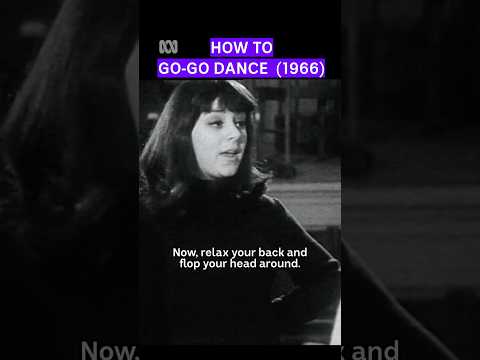
Go go dancers are performers, typically women, who dance in cages, on platforms, or directly on the dance floor in nightclubs and at parties. Originating in…
Contents
Overview
Go go dancers are performers, often women, who dance in cages, on platforms, or on stages in nightclubs and bars, typically to electronic dance music. Originating in the 1960s, their role evolved from simply dancing to embodying the energy and aesthetic of a venue. Modern go go dancers are skilled performers who often choreograph their own routines, blending athleticism with a captivating stage presence. They are a dynamic element of the nightlife scene, contributing significantly to the overall vibe of a club. Their performances are a form of performance art, distinct from other dance forms due to their specific context and often improvisational nature.
📍 Where to Find Go Go Dancers
You'll primarily find go go dancers in nightclubs and bars that cater to electronic dance music, house, techno, and disco scenes. Major cities with vibrant nightlife, like Berlin, New York City, and Las Vegas, boast numerous venues featuring go go performers. Look for clubs that explicitly advertise 'go go dancers' or 'dancers on stage.' These venues often have dedicated elevated platforms or enclosed spaces designed for their performances. The specific type of venue can range from underground clubs to large, mainstream dance halls, each offering a different atmosphere.
🎶 The Music & Vibe
The music accompanying go go dancers is typically high-energy electronic dance music, including genres like techno, house music, and disco. The rhythm and tempo are crucial, providing the dancers with a consistent beat to move to. The overall vibe is usually one of exhilaration, freedom, and sensory immersion. The visual spectacle of the dancers, combined with the pulsating music and lighting, creates an intense and engaging experience for club-goers. The music selection is often curated to match the specific aesthetic and energy of the performers.
💰 Cost & Tipping Culture
The cost associated with go go dancers is primarily borne by the venue through their booking fees. For patrons, there's no direct admission fee for the dancers themselves, though club entry fees and drink prices apply. Tipping is generally not expected or practiced in the same way as for individual performers in other settings, as their compensation is usually a set rate from the venue. However, some dancers may have personal tipping jars or digital payment options available if patrons wish to show appreciation for their performance. The focus is on enjoying the spectacle rather than direct financial transaction with the dancer.
🌟 Notable Go Go Dancers & Venues
While many talented individuals contribute to the go go scene anonymously, some venues have become synonymous with exceptional go go talent. Clubs like Berghain in Berlin are legendary for their intense atmosphere and the caliber of their performers. In the US, venues in cities like Miami and Los Angeles have also been known for showcasing skilled go go dancers. The history of go go dancing is intertwined with the evolution of dance music culture, with pioneers in the 1960s setting the stage for contemporary performers. Identifying specific 'famous' go go dancers can be challenging due to the often transient nature of the role and the emphasis on the collective club experience.
⚖️ Controversy & Evolution
Go go dancing has faced scrutiny and controversy, particularly concerning objectification and the sexualization of performers. Historically, the role has been predominantly filled by women, leading to discussions about gender dynamics and power structures within nightlife. However, the art form has also evolved, with many dancers asserting their agency, creativity, and athleticism. There's a growing recognition of go go dancing as a legitimate form of performance art, distinct from mere titillation. The debate centers on balancing artistic expression with ethical considerations and ensuring performer well-being.
💡 Tips for Experiencing Go Go Dancing
When experiencing go go dancing, be mindful of the performers and the venue's rules. Respect their space and avoid intrusive photography or filming unless explicitly permitted. Engage with the performance by appreciating the energy and skill involved. If you feel moved to show appreciation, a discreet nod or smile is often more impactful than disruptive gestures. Understand that the dancers are there to enhance the club's atmosphere, not solely for individual attention. Familiarize yourself with the club etiquette of the venue you're visiting to ensure a positive experience for everyone.
🚀 The Future of Go Go
The future of go go dancing appears to be one of continued evolution and adaptation. As digital platforms become more integrated into nightlife, we may see more hybrid online-offline performances or virtual go go experiences. There's also a growing movement to elevate the status of go go dancers as professional artists, with increased emphasis on choreography, training, and fair compensation. The potential for greater diversity in performers and styles is also significant, reflecting broader societal shifts. The core essence of go go dancing—its ability to amplify the energy of a space—is likely to endure, albeit in new and exciting forms.
Key Facts
- Year
- 1964
- Origin
- The Whisky a Go Go, Los Angeles
- Category
- Performance Art & Nightlife
- Type
- Cultural Phenomenon
Frequently Asked Questions
What is the origin of go go dancing?
Go go dancing emerged in the 1960s, particularly in the United States, coinciding with the rise of youth culture and new music genres like rock and roll. It gained prominence with the introduction of dancers in cages and on platforms in clubs, most famously at the Whisky a Go Go club in Los Angeles, which is often cited as a namesake. This era saw go go dancers become a visual staple of the burgeoning psychedelic and counter-culture scenes.
Are go go dancers always women?
While historically and predominantly associated with female performers, the role of go go dancers is not exclusively female. Increasingly, venues and events are featuring male, non-binary, and gender-nonconforming individuals as go go dancers. This reflects a broader trend towards inclusivity and a more diverse understanding of performance art within nightlife spaces. The focus is shifting towards skill, energy, and aesthetic contribution rather than strict gender norms.
What's the difference between a go go dancer and a pole dancer?
The primary difference lies in the performance context and equipment. Go go dancers typically perform on elevated platforms, in cages, or on stages, often with minimal props, focusing on freestyle or choreographed movements to the music. Pole dancers, on the other hand, incorporate a vertical pole as a central element of their routine, utilizing it for spins, climbs, and acrobatic feats. Both are forms of dance, but their execution and typical settings vary significantly.
Is go go dancing considered a legitimate art form?
The perception of go go dancing as a legitimate art form is evolving. While some view it purely as entertainment within a nightlife context, many contemporary go go dancers and enthusiasts argue for its artistic merit. They emphasize the skill, athleticism, creativity, and emotional expression involved in their performances. As the field gains more recognition, there's a push to categorize it more formally within performance art discourse.
How do I become a go go dancer?
Becoming a go go dancer typically involves developing strong dance skills, building a compelling stage presence, and networking within the nightlife and electronic music scenes. Many dancers have backgrounds in various dance styles and hone their skills through practice and performance. Building a portfolio, attending auditions, and connecting with club promoters and booking agents are crucial steps. Understanding the specific vibe and requirements of different venues is also key.