Future of French Cuisine | Vibepedia
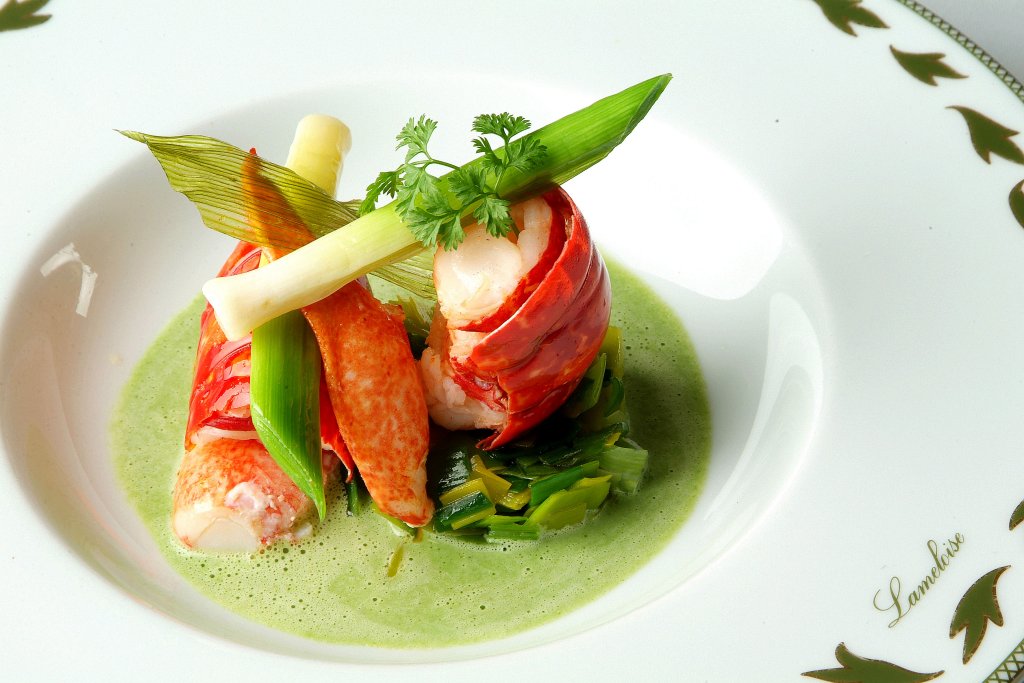
The future of French cuisine is a dynamic interplay between its hallowed traditions and the relentless forces of globalization, sustainability, and…
Contents
Overview
The foundations of French cuisine were meticulously laid over centuries, evolving from rustic medieval fare to the codified elegance of classical gastronomy. Early chefs like Guillaume Tirel documented medieval recipes. The 17th and 18th centuries saw pivotal shifts, with figures such as François Pierre La Varenne and Marie-Antoine Carême championing a distinctly French style, moving away from foreign influences and establishing core principles of flavor balance and presentation. The 20th century, particularly through the work of Auguste Escoffier, further refined this into the structured system of haute cuisine that became a global benchmark. The proliferation of regional dishes and the influence of culinary tourism, amplified by guides like the Michelin Guide, cemented French cuisine's dominant position, yet this very dominance sets the stage for its future reinvention.
⚙️ How It Works
The future of French cuisine operates on a multi-layered operational model. At its apex, haute cuisine continues to rely on classical techniques, precise execution, and the highest quality ingredients, often sourced from specific AOC-designated regions. However, this is increasingly augmented by 'neo-bistro' and 'modernist' approaches. Neo-bistros emphasize seasonal, locally sourced ingredients with a less formal presentation, often drawing inspiration from global street food. Modernist cuisine, meanwhile, leverages scientific principles and advanced technology, employing techniques like sous-vide, spherification, and fermentation to create novel textures and flavor profiles. AI is beginning to play a role in recipe development and personalized dining experiences, analyzing vast datasets of flavor pairings and consumer preferences to suggest innovative dishes. The operational challenge is integrating these diverse approaches without diluting the core identity of French culinary excellence.
📊 Key Facts & Numbers
The economic footprint of French gastronomy is substantial. Globally, French culinary influence is undeniable. The market for high-quality French wine and cheese, integral to the cuisine, exceeds €15 billion and €10 billion respectively each year. Furthermore, culinary tourism contributes significantly to the French economy annually. The adoption of plant-based diets is also accelerating, with projections suggesting that by 2030, over 25% of French restaurant menus will feature a significant proportion of vegetarian or vegan options, a dramatic increase from the current 10%.
👥 Key People & Organizations
Key figures shaping the future of French cuisine include chefs like Alain Ducasse, a titan of haute cuisine who is also exploring sustainable practices and global influences; Yannick Alléno, known for his innovative use of fermentation and sauces; and Mauro Colagreco, who champions a hyper-seasonal, terroir-driven approach. Organizations such as Gault & Millau and the Michelin Guide continue to shape critical reception and consumer perception, though their traditional focus is being challenged. Culinary schools like Le Cordon Bleu are adapting curricula to incorporate new trends, while emerging platforms like La Fourchette (TheFork) are leveraging technology to connect diners with a wider array of dining experiences, from traditional bistros to experimental kitchens.
🌍 Cultural Impact & Influence
French cuisine's cultural impact has been profound, serving as a bedrock for Western culinary arts for centuries. The concept of the 'chef' as an artist and innovator, popularized by French culinary figures, has become a global archetype. Moreover, French culinary traditions have deeply intertwined with French identity and lifestyle, influencing social customs, regional pride, and national branding. The ongoing evolution of French cuisine, incorporating global flavors and sustainable practices, now serves as a model for how established culinary traditions can adapt to contemporary values, demonstrating a capacity for both preservation and progressive change on a global scale.
⚡ Current State & Latest Developments
The current landscape of French cuisine is characterized by a fascinating duality. On one hand, the reverence for classical techniques and ingredients remains strong, with establishments like Guy Savoy's restaurant continuing to earn top accolades. On the other, a vibrant wave of 'neo-bistros' and experimental kitchens is pushing boundaries. Chefs like David Toutain are exploring hyper-seasonal, vegetable-forward menus, while others are integrating advanced technologies. The rise of plant-based dining is undeniable, with a growing number of restaurants offering sophisticated vegan and vegetarian tasting menus, a significant departure from historical norms. The influence of global cuisines, particularly Asian and Latin American, is increasingly evident in French kitchens, leading to fusion dishes and new flavor combinations that reflect a more cosmopolitan palate. The debate over what constitutes 'authentic' French cuisine is more active than ever.
🤔 Controversies & Debates
The future of French cuisine is not without its controversies. A significant debate revolves around authenticity versus innovation: how much can French cuisine evolve before it ceases to be 'French'? Critics argue that the embrace of global flavors and techniques risks diluting the unique character and heritage of French gastronomy. Another point of contention is accessibility; the high cost and exclusivity of many top French restaurants create a barrier for broader engagement. The environmental impact of traditional French food systems, particularly intensive farming and long-distance transport of luxury ingredients, is also under scrutiny, prompting a push for more sustainable, locally sourced, and plant-centric menus. The role of the Michelin Guide in dictating culinary trends, and whether its criteria adequately reflect these evolving values, is also a recurring point of discussion.
🔮 Future Outlook & Predictions
Looking ahead, French cuisine is poised for further diversification and democratization. Expect a continued surge in plant-based innovation, with chefs developing sophisticated vegan alternatives that rival traditional meat and dairy dishes in complexity and flavor. The concept of terroir will likely expand beyond wine and cheese to encompass a broader range of locally cultivated produce and artisanal products, potentially leading to new regional appellations. Technology will play an increasingly integrated role, from AI-assisted recipe generation and personalized nutrition plans to advanced kitchen automation. The influence of global flavors will deepen, leading to more fusion concepts that blend French technique with international ingredients and culinary philosophies. The challenge will be to maintain the exquisite craftsmanship and sensory pleasure that define French cuisine while making it more sustainable, accessible, and reflective of a diverse global society.
💡 Practical Applications
The practical applications of the future of French cuisine are far-reaching. For home cooks, this means access to more diverse ingredients and techniques, potentially through online tutorials and advanced kitchen gadgets inspired by professional kitchens. For the restaurant industry, it translates to menu innovation, a focus on sustainability, and the adoption of new technologies to enhance efficiency and customer experience. Culinary tourism will continue to evolve, with travelers seeking authentic, yet modern, gastronomic experiences that go beyond traditional st
Key Facts
- Category
- culture
- Type
- topic