French Television Industry | Vibepedia
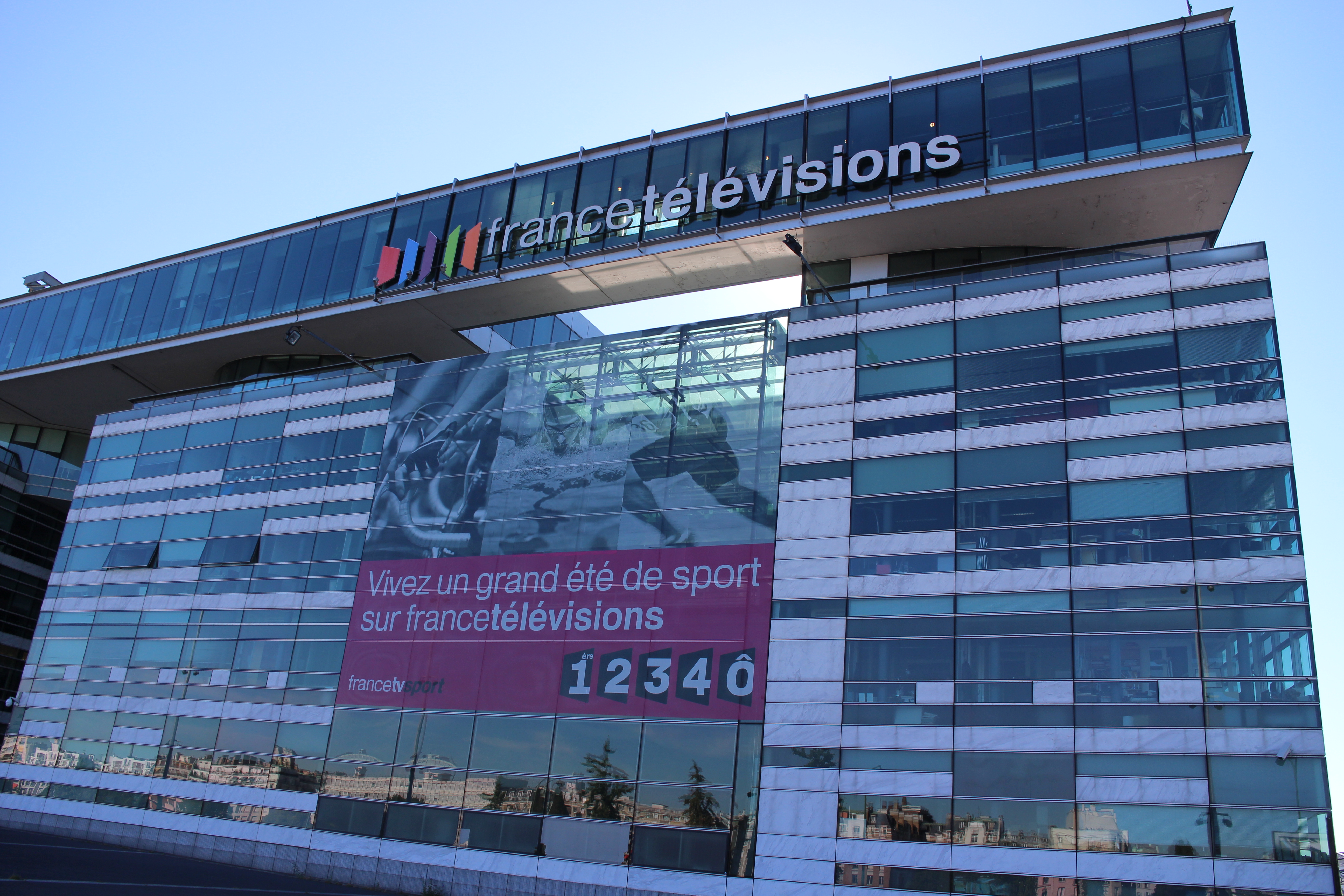
The French television industry, a complex ecosystem shaped by state intervention, cultural policy, and evolving viewer habits, has undergone seismic shifts…
Contents
Overview
The French television industry, a complex ecosystem shaped by state intervention, cultural policy, and evolving viewer habits, has undergone seismic shifts since its inception. Dominated for decades by public broadcasters like France Télévisions (itself a consolidation of Antenne 2 and FR3), the sector has grappled with the influx of private channels, the rise of global streaming giants, and the persistent challenge of maintaining cultural specificity. With a unique funding model reliant on a mix of state subsidies and advertising revenue, French TV navigates a delicate balance between public service mandates and commercial pressures. Key players like Canal+, TF1, and M6 have long defined the commercial landscape, while newer entrants like Netflix and Amazon Prime Video have dramatically altered production, distribution, and consumption patterns, forcing traditional broadcasters to innovate or risk obsolescence. The industry's future hinges on its ability to adapt to digital platforms, compete for global talent, and continue to champion French creative output in an increasingly interconnected media world.
🎵 Origins & History
The genesis of French television can be traced back to the state-controlled monopoly era. This monolithic entity controlled all broadcasting until its dissolution, a pivotal moment that led to the creation of seven distinct public entities, including Antenne 2 (later France 2) and FR3 (later France 3). The late 1980s marked a significant liberalization with the launch of the first private terrestrial channel, Canal+, followed by TF1's privatization. This dual system of public service and private commercial broadcasting became the bedrock of the French television landscape, fostering a unique blend of cultural programming and mass-market entertainment. The subsequent decades saw further consolidation and the emergence of new channels, including the creation of France Télévisions, integrating France 2, France 3, France 5, and France 4, solidifying the public broadcasting sector's structure.
⚙️ How It Works
The French television industry operates on a dual model: public service broadcasting and private commercial broadcasting. Public broadcasters, primarily France Télévisions, are funded through a combination of state subsidies and advertising revenue (though significantly restricted, especially during prime time). This funding model aims to support a mandate of cultural diversity, education, and information. Private broadcasters, such as TF1, M6, and Canal+ (which also operates pay-TV services), are primarily funded by advertising and subscription fees. Production is a mix of in-house creation and commissioning from independent production companies, a model heavily supported by tax incentives like the 'Crédit d'impôt cinéma et audiovisuel'. Distribution has expanded from terrestrial and satellite to include extensive digital platforms and Netflix-style on-demand services, forcing traditional players to develop their own catch-up and streaming offerings like france.tv slash.
📊 Key Facts & Numbers
The French television market is a significant economic force. Public broadcasting alone, through France Télévisions, receives substantial state funding, augmented by advertising and sponsorship, though the exact figures fluctuate annually based on government budgets and economic conditions. Private channels like TF1 and M6 generate the majority of their revenue from advertising. The pay-TV market, dominated by Canal+, also represents a significant portion, with millions of subscribers paying monthly fees. The abolition of the television license fee in 2022 removed a charge for most households, impacting public funding streams.
👥 Key People & Organizations
Several key organizations and individuals have shaped the French television industry. France Télévisions itself, as the national public broadcaster, is a central entity. The major private commercial groups, TF1 Group and M6 Group, have long been dominant forces. Canal+, a pioneer in French pay-TV, has also been a critical player. Independent production houses, such as Newen Studios (part of TF1 Group) and Mediawan, are vital to content creation, producing acclaimed series that have found international success. Regulatory bodies like the Autorité de régulation de la communication audiovisuelle et numérique (ARCOM, formerly CSA) play a crucial role in overseeing broadcasting standards, content quotas, and market competition.
🌍 Cultural Impact & Influence
French television has profoundly influenced national identity and cultural discourse. Public broadcasters have historically been tasked with promoting French culture, language, and diversity through programming like historical dramas, documentaries, and educational shows. The industry has also been a significant incubator for creative talent, launching the careers of numerous actors, directors, and comedians. The success of French series like 'Dix pour cent' (Call My Agent!) on Netflix demonstrates the global appeal of French storytelling, challenging the dominance of Anglo-American content. Furthermore, French television has played a role in political life, with presidential debates and news coverage shaping public opinion, though this has also been a source of controversy regarding perceived bias.
⚡ Current State & Latest Developments
The French television industry is currently navigating a period of intense digital transformation and increased competition. France Télévisions has been actively investing in its digital platform, france.tv slash, to compete with global streamers and offer a more personalized viewing experience. Private broadcasters like TF1 and M6 are also bolstering their own catch-up and on-demand services, such as MyTF1 and 6play, to retain audiences. The ongoing consolidation within the media sector is a major trend, exemplified by the proposed merger between TF1 and M6, which faced significant regulatory hurdles and was ultimately abandoned in 2023 due to competition concerns. The rise of short-form video platforms like TikTok and YouTube is also impacting viewing habits, particularly among younger demographics, forcing traditional broadcasters to experiment with new formats and content strategies. The recent abolition of the television license fee in 2022 has necessitated a recalibration of public broadcasting's funding model, with increased reliance on advertising and state allocations.
🤔 Controversies & Debates
Significant controversies surround the French television industry, particularly concerning the funding and independence of public broadcasting. The abolition of the television license fee in 2022, while popular with the public, has raised concerns about the long-term financial stability of France Télévisions and its ability to resist political influence. Debates persist over the level of advertising permitted on public channels, with critics arguing it compromises their public service mission and unfairly competes with private broadcasters. The concentration of media ownership is another contentious issue, with the proposed merger of TF1 and M6 highlighting fears of a duopoly dominating the commercial landscape. Furthermore, questions of cultural protectionism arise, with ongoing discussions about quotas for French and European content on both linear and non-linear platforms, balancing the desire to promote local production against the realities of global content distribution.
🔮 Future Outlook & Predictions
The future of French television will likely be defined by its ability to adapt to a rapidly evolving digital media environment. Expect continued investment in streaming services and personalized content delivery from both public and private broadcasters, aiming to counter the dominance of global giants like Netflix.
Key Facts
- Category
- culture
- Type
- topic