French Gastronomy | Vibepedia
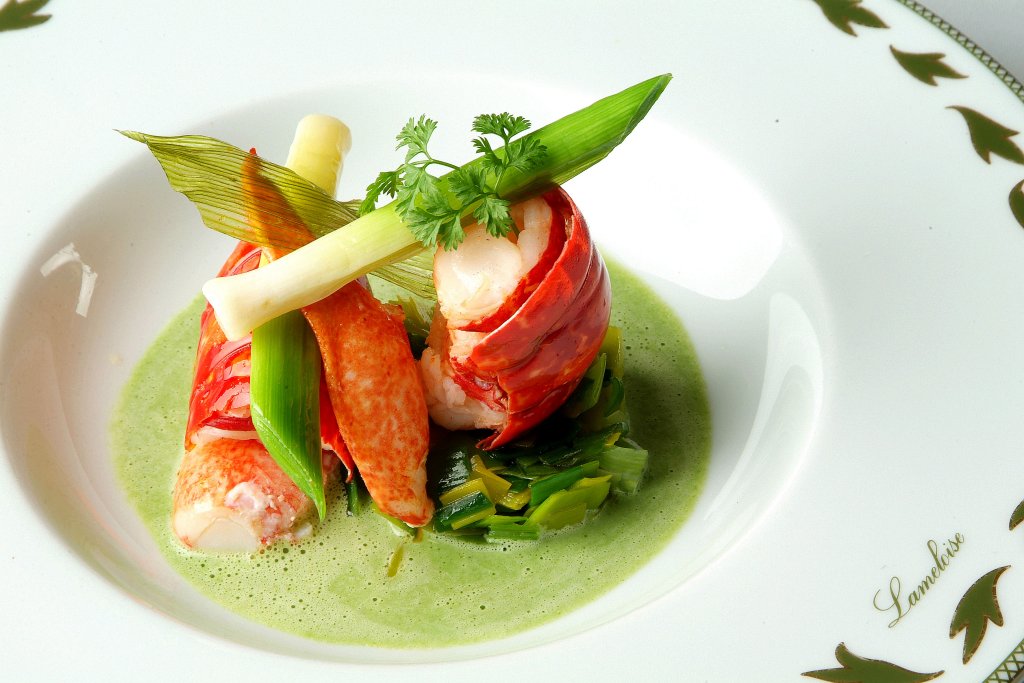
French gastronomy's roots stretch back to medieval court kitchens, evolving through centuries of refinement. This culinary tradition is characterized by its…
Contents
Overview
French gastronomy's roots stretch back to medieval court kitchens, evolving through centuries of refinement. This culinary tradition is characterized by its emphasis on fresh, high-quality ingredients, meticulous preparation techniques, and the harmonious pairing of food and wine, often governed by strict regional appellations like AOC for products such as Bordeaux wine and Camembert cheese. Recognized by UNESCO as an Intangible Cultural Heritage of Humanity, French gastronomy continues to influence global culinary trends, from haute cuisine to everyday bistro fare, embodying a sophisticated approach to food that is both deeply traditional and perpetually innovative.
🎵 Origins & History
The genesis of French gastronomy can be traced to the meticulous kitchens of medieval nobility. The 17th and 18th centuries witnessed a pivotal shift with figures like François Pierre La Varenne, who championed indigenous ingredients and lighter preparations, moving away from the heavy spices of the era. This foundational work paved the way for the grand masters of the 19th century, such as Marie-Antoine Carême, who elevated pastry and presentation to an art form, and later Auguste Escoffier, who systematized French cooking and created the brigade system, codifying classic dishes still revered today in establishments like Le Grand Véfour.
⚙️ How It Works
At its heart, French gastronomy operates on principles of balance, precision, and respect for ingredients. The foundation is built upon a hierarchy of techniques, from the foundational mirepoix (a slow-cooked aromatic vegetable base) to complex sauces like the mother sauces (Béchamel, Velouté, Espagnole, Hollandaise, and Tomate). The careful selection of seasonal produce, artisanal cheeses, and regional wines is paramount, with specific preparation methods often dictated by tradition and regional identity. The ritual of the meal itself, from apéritif to digestif, is integral, emphasizing shared experience and mindful consumption, a philosophy deeply embedded in the French way of life and celebrated in the service at Michelin-starred restaurants such as Mirazur and Alain Ducasse au Plaza Athénée.
📊 Key Facts & Numbers
French gastronomy is a multi-billion euro industry. France boasts over 600 distinct cheese varieties. France is home to over 600 Michelin-starred restaurants, more than any other nation, with 31 establishments holding the coveted three-star rating as of 2023. The global market for French wine, a crucial accompaniment to its cuisine, is valued at over $11 billion, with exports reaching more than 150 countries worldwide. The culinary tourism sector alone attracts millions of visitors annually, contributing significantly to the national economy.
👥 Key People & Organizations
Key figures are the architects of French gastronomy's enduring legacy. Guillaume Tirel (Taillevent) laid early groundwork in the 14th century. François Pierre La Varenne modernized French cooking in the 17th century. Marie-Antoine Carême defined haute cuisine in the 19th century, while Auguste Escoffier professionalized the kitchen and popularized many classic dishes. In contemporary times, chefs like Joël Robuchon, Alain Ducasse, and Anne-Sophie Pic continue to innovate and uphold the highest standards. Organizations like the Guide Michelin and Le Cordon Bleu play crucial roles in training, recognition, and dissemination of French culinary knowledge globally.
🌍 Cultural Impact & Influence
The influence of French gastronomy on global cuisine is profound and undeniable. It established the foundational techniques and terminology that underpin Western culinary arts, impacting everything from restaurant kitchen organization to the very definition of fine dining. The concept of terroir, linking food and wine to their specific geographic origins, has inspired similar movements worldwide. French culinary education, particularly through institutions like Le Cordon Bleu, has trained generations of chefs across continents. Even the language of food, with terms like sauté, julienne, and roux, is largely French, a testament to its pervasive cultural reach and the enduring appeal of dishes like coq au vin and boeuf bourguignon.
⚡ Current State & Latest Developments
In the 21st century, French gastronomy is navigating a dynamic landscape. While upholding its classical traditions, there's a growing emphasis on sustainability, plant-based ingredients, and fusion cuisine, reflecting global shifts in consumer preferences and environmental consciousness. Chefs are increasingly exploring hyper-local sourcing and innovative techniques, pushing the boundaries of traditional nouvelle cuisine. The rise of accessible dining experiences, from gourmet food trucks to high-quality bistros, is democratizing access to sophisticated flavors. Simultaneously, the debate continues regarding the future of traditional haute cuisine in an era of rapid change, with establishments like Septime in Paris representing a more modern, less formal approach to high-quality dining.
🤔 Controversies & Debates
The very definition and exclusivity of French gastronomy are subjects of ongoing debate. Critics sometimes point to its historical rigidity and perceived elitism, questioning whether its codified rules stifle creativity or alienate diners. The influence of global cuisines on French cooking, while enriching, also sparks discussions about authenticity and the dilution of traditional methods. Furthermore, the environmental impact of certain luxury ingredients and extensive supply chains associated with high-end dining is a growing concern. The debate intensifies around whether French gastronomy can adapt to evolving ethical standards and dietary trends without losing its esteemed identity, a tension visible in discussions about the future of the Michelin Guide itself.
🔮 Future Outlook & Predictions
French gastronomy is likely to continue evolving by balancing its rich heritage with innovation. Expect a continued focus on sustainability, with chefs prioritizing local, seasonal produce and minimizing waste. The integration of advanced culinary technologies, such as sous-vide and molecular gastronomy, will likely become more commonplace, even in traditional settings. There's also a predicted rise in 'gastronomic tourism' focused on authentic, regional experiences, moving beyond the star-rated temples of haute cuisine. The influence of international culinary trends will undoubtedly continue to shape French cooking, potentially leading to exciting new hybrid forms that redefine what it means to be 'French' in the global culinary arena.
💡 Practical Applications
The practical applications of French gastronomy extend far beyond the confines of Michelin-starred restaurants. Its principles inform culinary education worldwide, with techniques taught in virtually every professional cooking school. The emphasis on quality ingredients and balanced flavors influences food product development, from artisanal bakeries to sophisticated packaged goods. The wine and cheese industries, intrinsically linked to French gastronomy, are major economic drivers, with French appellation systems serving as models for quality control globally. Furthermore, the cultural rituals and social importance of dining, central to French gastronomy, provide a framework for understanding the role of food in social cohesion and cultural identity in many societies.
Key Facts
- Category
- culture
- Type
- topic