
Contents
- 🎵 Origins & Evolution of Culinary Gatherings
- ⚙️ How Food Festivals Spark Discovery
- 📊 The Scale of the Feast: Key Numbers
- 👥 The Architects of Flavor: Key Players
- 🌍 A Global Palate: Cultural Significance
- ⚡ What's Cooking Now: Current Trends
- 🤔 Debates on the Menu: Controversies
- 🔮 The Future of Flavor Festivals
- 💡 Experiencing the Fest: Practical Tips
- 📚 Further Culinary Explorations
Overview
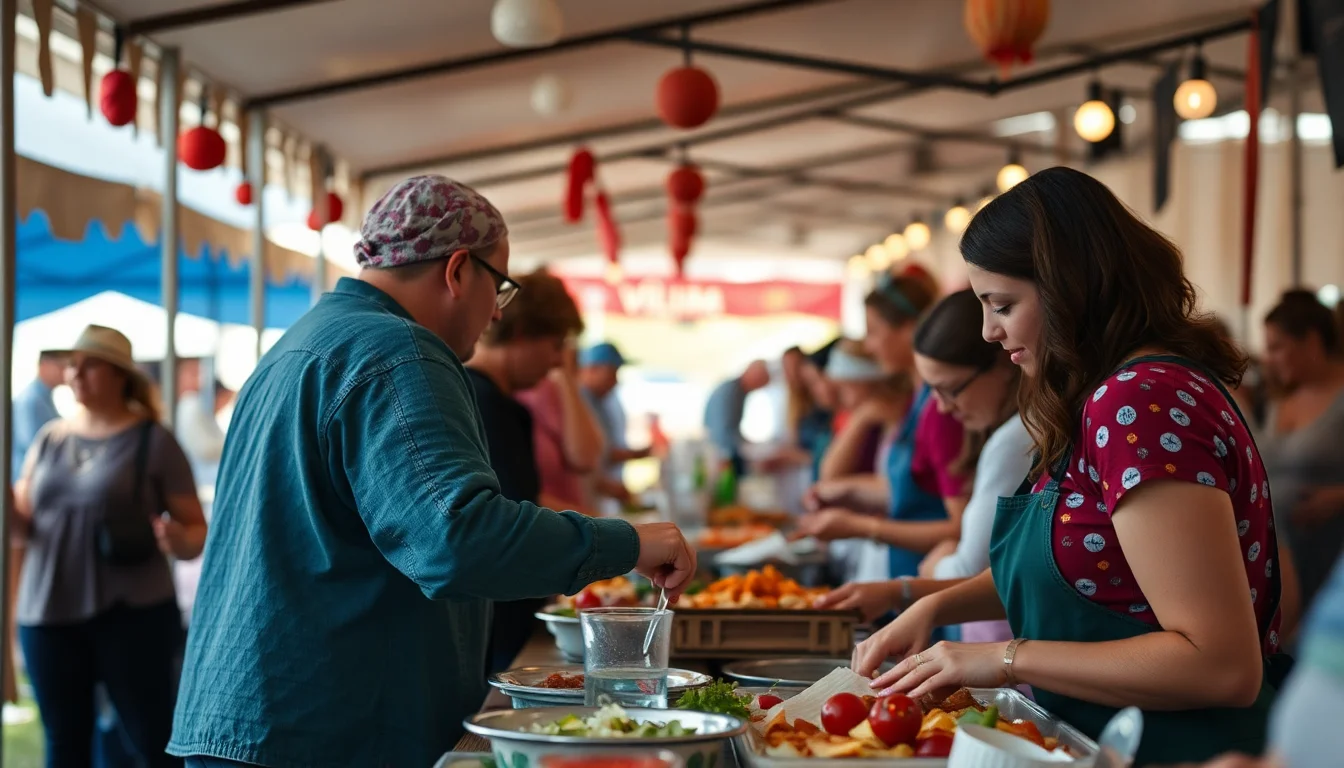
Food festivals are vibrant celebrations that bring together culinary enthusiasts, local producers, and passionate chefs for a shared experience of taste, culture, and community. These events are more than just markets; they are dynamic hubs for discovering new flavors, learning about food traditions, and connecting with the people behind the dishes. From bustling street food gatherings to sophisticated wine and cheese expos, food festivals offer a unique window into regional and global gastronomy. They serve as crucial platforms for small businesses, artisans, and farmers to showcase their products, fostering economic growth and preserving culinary heritage. In essence, food festivals are catalysts for spontaneous adventure, transforming everyday meals into memorable explorations and strengthening community bonds through the universal language of food.
🎵 Origins & Evolution of Culinary Gatherings
The roots of food festivals stretch back to ancient harvest celebrations and religious feasts, where communities would gather to share the bounty of their land. Medieval Europe saw the rise of bustling market fairs that often included dedicated areas for food vendors and tasting. The latter half of the century witnessed an explosion in specialized events, driven by increased global travel, a growing interest in diverse cuisines, and the rise of celebrity chefs. These events laid the groundwork for the diverse array of culinary gatherings we see today, transforming simple markets into curated experiences designed to delight and educate.
⚙️ How Food Festivals Spark Discovery
Food festivals act as vibrant catalysts for spontaneous discovery, aligning perfectly with the mission to find your next memorable experience. They operate by curating a diverse range of food and beverage vendors, often alongside live entertainment, cooking demonstrations, and workshops. Attendees can wander through stalls, sampling everything from local street food to artisanal cheeses and international delicacies. The 'what's happening now and next' ethos is central, with many festivals highlighting immediate culinary trends or seasonal produce. For instance, a farmers market might host a 'Taste of Summer' event today, featuring peak-season berries and grilled corn, while a larger music festival might incorporate a dedicated 'Global Bites' zone showcasing diverse street food vendors. The ease of discovery is paramount, with clear signage and vendor variety encouraging exploration and unplanned culinary adventures.
📊 The Scale of the Feast: Key Numbers
The global food festival market is a multi-billion dollar industry. The sheer volume and scale underscore their importance as both cultural phenomena and economic drivers.
👥 The Architects of Flavor: Key Players
The ecosystem of food festivals involves a wide array of key players. Event organizers, such as IMG, Eventbrite, and numerous local community groups, are responsible for planning, marketing, and executing these gatherings. Chefs and restaurateurs, from Michelin-starred establishments to emerging pop-up kitchens, are the culinary heart, showcasing their skills and signature dishes. Food producers, including organic farms, craft breweries, and artisanal bakeries, provide the raw ingredients and finished products that define the festival's offerings. Local tourism boards and city councils often partner with organizers to leverage festivals for economic development and cultural promotion.
🌍 A Global Palate: Cultural Significance
Food festivals are powerful conduits for cultural exchange and preservation. They offer a tangible way for communities to celebrate their unique culinary heritage, whether it's the Chiles en Nogada festival in Puebla, Mexico, or the Kimchi Festival in South Korea. These events allow attendees to experience diverse traditions firsthand, fostering understanding and appreciation across different cultures. Beyond mere consumption, festivals often include educational components, such as cooking classes, historical talks, and demonstrations of traditional food preparation techniques, ensuring that cultural knowledge is passed down. The global reach of food festivals means that a taste of Italy can be experienced in Japan, or a flavor of India can be savored in Canada, breaking down geographical barriers and promoting a shared global culinary identity.
⚡ What's Cooking Now: Current Trends
Current trends in food festivals are leaning towards hyper-specialization and sustainability. We're seeing a rise in niche events focusing on specific ingredients (e.g., mushroom festivals, oyster festivals), dietary preferences (e.g., vegan festivals, gluten-free expos), or unique culinary experiences (e.g., foraging tours, farm-to-table dinners). Sustainability is a major focus, with organizers increasingly implementing waste reduction programs, sourcing local and seasonal ingredients, and promoting eco-friendly practices. The integration of technology is also growing, with mobile apps for navigation, cashless payment systems, and even virtual reality experiences offering new ways to engage.
🔮 The Future of Flavor Festivals
The future of food festivals is likely to be shaped by continued specialization, technological integration, and a heightened focus on experiential dining. Expect more immersive events that blend food with other arts, such as music, visual arts, and performance. Virtual and hybrid festival models may become more common, offering broader accessibility. The emphasis on sustainability will intensify, with festivals aiming for zero-waste operations and promoting ethical sourcing. Furthermore, as consumer interest in traceability and provenance grows, festivals that highlight the journey of food from farm to fork will likely gain prominence. We might also see more 'anti-festivals' emerge, focusing on intimate, underground dining experiences that deliberately eschew large-scale commercialism.
💡 Experiencing the Fest: Practical Tips
Attending a food festival is an adventure in itself! To make the most of your experience, plan ahead by checking the festival's schedule for cooking demos or special tastings you don't want to miss. Wear comfortable shoes, as you'll likely be doing a lot of walking. Bring cash, as some smaller vendors may not accept cards, but also check if there are cashless options available. Pace yourself – it's tempting to try everything, but sampling smaller portions allows you to experience a wider variety of offerings. Stay hydrated, especially during warmer months, and be open to trying new and unexpected flavors. Most importantly, engage with the vendors; they are often passionate about their craft and eager to share their stories.
📚 Further Culinary Explorations
For those eager to explore the world of culinary events further, delving into the history of gastronomy provides essential context. Understanding the evolution of street food culture offers insight into the accessible, vibrant side of food festivals. Exploring the impact of sustainable agriculture on food systems reveals the growing importance of ethical sourcing in these events. For a deeper dive into specific regional celebrations, researching harvest festivals worldwide or the nuances of wine tasting events can offer a more focused perspective. Finally, examining the role of event management platforms like Eventbrite sheds light on the logistica
Key Facts
- Category
- event-categories
- Type
- topic