Fleur de Sel | Vibepedia
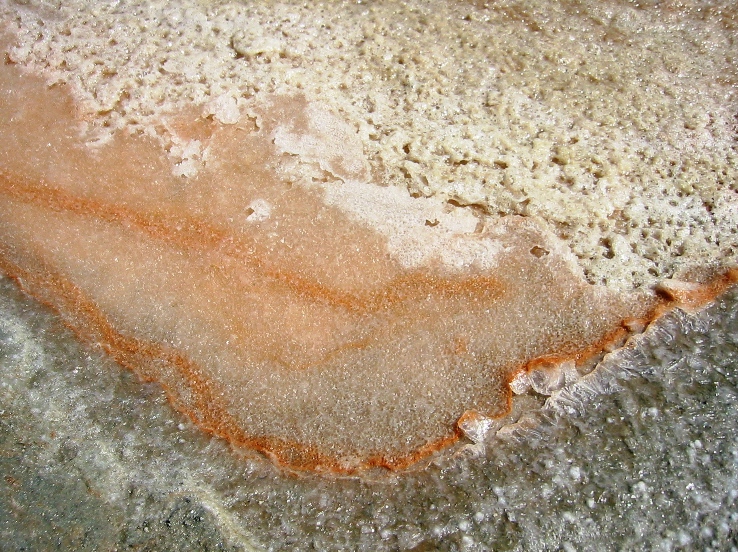
Fleur de sel, translating to 'flower of salt' in French, is a prized sea salt harvested from the surface of evaporating seawater. Its name evokes the…
Contents
Overview
The practice of harvesting salt from evaporating seawater dates back to antiquity, with early mentions found in texts from civilizations across the Mediterranean and beyond. Pliny the Elder, writing in his Natural History, described salt harvesting techniques that bear resemblance to modern fleur de sel production, noting its use not only for seasoning but also as a purgative and salve. The specific term 'fleur de sel' gained prominence in the salt marshes of Brittany, France, particularly around Guérande, where the unique tidal and climatic conditions facilitated the formation of this delicate crust. Traditional salt workers, known as paludiers, developed specialized tools and knowledge passed down through generations to carefully skim the salt crystals from the water's surface. This artisanal heritage is what distinguishes fleur de sel from industrially produced salts, embedding it deeply within the culinary traditions of regions like Brittany and the Algarve.
⚙️ How It Works
Fleur de sel forms under very specific environmental conditions: shallow, sun-drenched salt pans with minimal wind and a precise salinity level. As water evaporates from these pans, a thin, crystalline crust begins to form on the surface. This crust is composed of delicate, hollow pyramid-shaped crystals, a structure that gives fleur de sel its characteristic light texture and ability to dissolve slowly on the tongue. The paludiers or salt harvesters use specialized wooden rakes, known as lames or croissants, to gently skim this fragile layer of salt crystals from the water's surface without disturbing the brine below. This manual process is crucial; any rough handling can break the crystals or mix them with the denser salt that settles at the bottom, known as gros sel. The collected crystals are then carefully dried, preserving their unique structure and mineral composition.
📊 Key Facts & Numbers
The global market for fleur de sel is a niche but significant segment of the specialty salt industry. While precise global production figures are difficult to ascertain due to the artisanal nature of its harvest, only a few thousand tons are reportedly produced annually worldwide. The price disparity is stark: while industrial table salt is inexpensive, high-quality fleur de sel can fetch premium prices, and sometimes even higher for rare varieties. For instance, Fleur de Sel de Guérande from France is often cited as a benchmark. This price difference reflects the labor-intensive harvesting, limited production volume, and the perceived superior flavor and texture.
👥 Key People & Organizations
The production and promotion of fleur de sel are often tied to specific cooperatives and artisanal producers. In France, the Coopérative des Paludiers de Guérande plays a vital role in preserving the traditional harvesting methods and marketing the salt. Key figures in the modern culinary world, such as Alain Ducasse and Joël Robuchon, have been instrumental in popularizing fleur de sel, featuring it prominently in their Michelin-starred restaurants and cookbooks, thereby elevating its status among chefs and home cooks alike. Organizations like the Sel de Vie brand have also focused on sustainable harvesting and fair trade practices, ensuring the economic viability of salt harvesting communities.
🌍 Cultural Impact & Influence
Fleur de sel has transcended its humble origins to become a symbol of culinary sophistication and a staple in high-end gastronomy worldwide. Its inclusion on a dish signifies a commitment to quality ingredients and refined presentation. Chefs globally, from New York to Tokyo, utilize it as a finishing salt, adding a subtle crunch and burst of salinity that enhances the natural flavors of ingredients without overpowering them. Its presence on restaurant menus and in gourmet food stores has significantly influenced consumer perceptions of salt, moving beyond mere seasoning to an ingredient valued for its texture, mineral complexity, and origin story. The visual appeal of its crystalline structure also makes it a favored garnish, adding an aesthetic flourish to plated dishes.
⚡ Current State & Latest Developments
The fleur de sel market continues to thrive, driven by the enduring demand for artisanal and natural food products. While traditional harvesting regions like Guérande and Setúbal remain dominant, new salt harvesting operations are emerging in other coastal areas, sometimes leveraging modern technology alongside traditional methods. There's a growing trend towards single-origin and terroir-specific salts, much like wine or olive oil, with producers emphasizing the unique mineral profiles influenced by local waters and climates. Brands are also exploring flavored fleur de sel varieties, infusing it with herbs, spices, or even truffle extracts, though purists often argue this dilutes the salt's intrinsic character. The sustainability of harvesting practices in the face of environmental changes is also a growing concern for producers.
🤔 Controversies & Debates
The primary controversy surrounding fleur de sel revolves around authenticity and pricing. Given its high market value, there's a constant risk of mislabeling or adulteration, with cheaper sea salts or even refined salts being passed off as genuine fleur de sel. Critics question whether the significant price premium is always justified by a discernible difference in taste or texture compared to high-quality gros sel or other artisanal sea salts. Some also debate the environmental impact of large-scale salt pan operations, particularly concerning water usage and habitat disruption for migratory birds in sensitive coastal ecosystems. The romanticized image of the paludier can sometimes mask the harsh realities of the labor involved and the economic pressures faced by harvesting communities.
🔮 Future Outlook & Predictions
The future of fleur de sel production is likely to involve a delicate balance between preserving traditional methods and adapting to modern challenges. Altered weather patterns, increased storm intensity, and rising sea levels can reportedly disrupt the precise conditions required for salt formation and harvesting. Innovations in sustainable harvesting techniques and brine management will be crucial. We may also see further diversification into flavored salts or salts from less conventional, but climatically suitable, regions. The ongoing consumer desire for authentic, traceable, and high-quality food products suggests that the demand for genuine fleur de sel will remain strong, provided producers can maintain quality and authenticity against market pressures and environmental shifts.
💡 Practical Applications
Fleur de sel's primary application is as a finishing salt, sprinkled over dishes just before serving to add a final touch of flavor and texture. It is particularly effective on grilled meats, roasted vegetables, seafood, and even desserts like chocolate or caramel. Its delicate crystals provide a satisfying crunch and a slow release of salinity that enhances, rather than overwhelms, the palate. Beyond direct culinary use, it's a key ingredient in artisanal chocolate making, caramel production, and as a component in gourmet spice blends. In some artisanal bakeries, it's used to top breads and pastries, adding a savory contrast. Its historical medicinal uses, though largely superseded by modern medicine, highlight its mineral richness and therapeutic potential.
Key Facts
- Category
- culture
- Type
- topic