Explicit Lyrics | Vibepedia
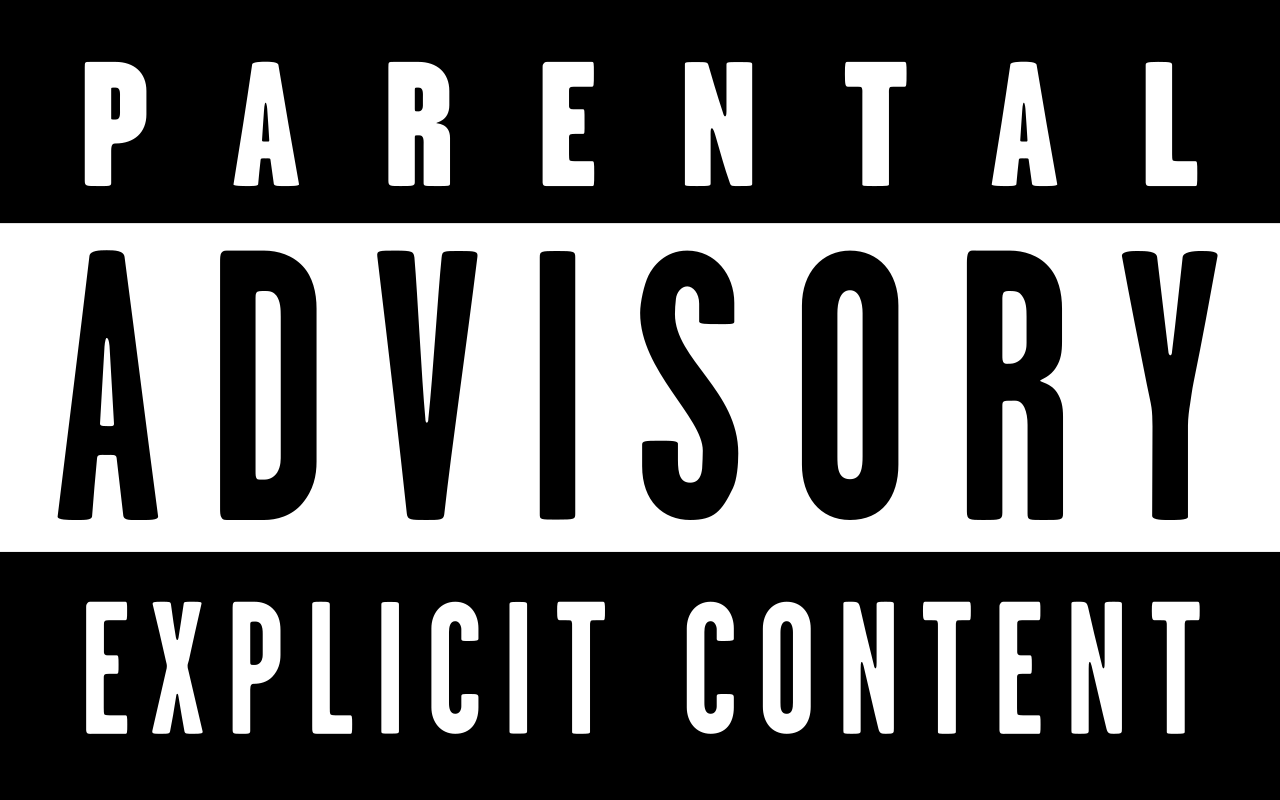
Explicit lyrics, often flagged with a 'Parental Advisory' label, represent a long-standing point of contention in music history. These lyrics can range from…
Contents
Overview
Explicit lyrics, often flagged with a 'Parental Advisory' label, represent a long-standing point of contention in music history. These lyrics can range from profanity and discussions of violence to overt sexual content and drug references. Their presence has frequently sparked moral panics, censorship attempts, and debates about artistic freedom versus societal impact. The perceived offensiveness often shifts with cultural norms, but certain themes remain consistently controversial. The music industry itself has grappled with how to manage explicit content, from self-censorship to the implementation of warning labels, impacting everything from radio airplay to retail sales.
From the early days of blues and jazz, where double entendres and suggestive language were common, to the rise of hip-hop and heavy metal in later decades, explicit lyrics have been a recurring feature. Artists often employ them to reflect gritty realities, express rebellion, or push artistic boundaries. However, this has led to significant backlash, including congressional hearings, lawsuits, and the formation of watchdog groups like the Parents Music Resource Center (PMRC). The debate centers on whether explicit lyrics incite harmful behavior or if censoring them infringes upon free speech and artistic expression.
The digital age has further complicated the landscape. While streaming platforms often allow explicit content, radio edits and clean versions remain prevalent for broadcast. The discussion also extends to the impact on young audiences, with ongoing debates about age-appropriateness and the role of parental guidance. Ultimately, explicit lyrics remain a potent cultural flashpoint, reflecting societal anxieties and the ever-evolving relationship between art, commerce, and morality.
Historical Precedents
The historical roots of explicit lyrical content can be traced to oral traditions and folk music, where bawdy songs and double entendres were common. Early 20th-century genres like blues and jazz often contained suggestive themes and language that pushed societal boundaries for their time, though rarely with the directness seen later. The advent of rock and roll in the 1950s brought a new level of rebellion, with artists like Chuck Berry using slang and innuendo that, while tame by today's standards, courted controversy and bans on certain radio stations. This early resistance foreshadowed the more intense battles to come.
The Rise of the 'Parental Advisory'
The 1970s and 1980s saw a significant escalation in lyrical explicitness, particularly with the rise of punk rock, heavy metal, and hip-hop. Bands like The Sex Pistols challenged authority with overtly offensive lyrics, while N.W.A. brought unflinching depictions of urban life and police brutality, often laced with profanity, to the forefront. This era culminated in the formation of the Parents Music Resource Center (PMRC) in 1985, led by Tipper Gore, which successfully lobbied for the 'Parental Advisory' sticker on albums, profoundly impacting music retail and airplay.
The Digital Era and Accessibility
In the digital age, the ubiquity of streaming and the internet has democratized content creation and distribution, making explicit lyrics more accessible than ever. While major labels still navigate the complexities of radio edits and clean versions for mainstream broadcast, platforms like Spotify and Apple Music generally allow explicit content, often with user-controlled filters. This has led to a normalization of explicit language in many genres, though debates persist regarding its impact on younger audiences and the responsibility of artists and platforms. The controversy score for explicit lyrics remains high, reflecting ongoing societal tensions.
Key Facts
- Year
- Ongoing
- Origin
- Global
- Category
- music
- Type
- concept
Frequently Asked Questions
What is the primary purpose of the Parental Advisory label?
The primary purpose of the Parental Advisory label, introduced by the RIAA in 1990, is to inform consumers, particularly parents, about the presence of explicit content in music recordings. This content can include profanity, graphic violence, or sexually explicit themes. It aims to allow listeners to make informed decisions about what they or their children consume, though its effectiveness and intent have been subjects of debate.
Are explicit lyrics illegal?
In most Western countries, explicit lyrics themselves are not illegal, protected under freedom of speech principles. However, content that meets the legal definition of obscenity can be restricted. The debate often revolves around whether music lyrics cross the line into obscenity, which varies by jurisdiction and legal precedent. Distribution and public performance can sometimes face different regulations than the lyrical content itself.
How do streaming services handle explicit lyrics?
Most major streaming services, such as Spotify and Apple Music, clearly label tracks containing explicit lyrics. They often provide options for users to filter out explicit content from their playback. This allows listeners to customize their experience based on personal preference or age appropriateness, offering a more granular control than traditional physical media.
Can explicit lyrics impact a song's popularity?
Yes, explicit lyrics can significantly impact a song's popularity. While they can attract a dedicated audience and signal authenticity, they can also limit mainstream radio play and advertising opportunities. For some artists, the 'controversy' generated by explicit lyrics can paradoxically boost sales and cultural relevance, turning a potential barrier into a marketing advantage.
What is the difference between explicit lyrics and offensive lyrics?
While often used interchangeably, 'explicit' typically refers to content that is overtly sexual, violent, or profane. 'Offensive' is broader and more subjective, encompassing lyrics that might be considered blasphemous, politically charged, or that challenge deeply held beliefs, even without explicit language. The Parental Advisory label primarily addresses explicit content, but the broader concept of offensive lyrics fuels much of the music censorship debate.