Exercise Physiology | Vibepedia
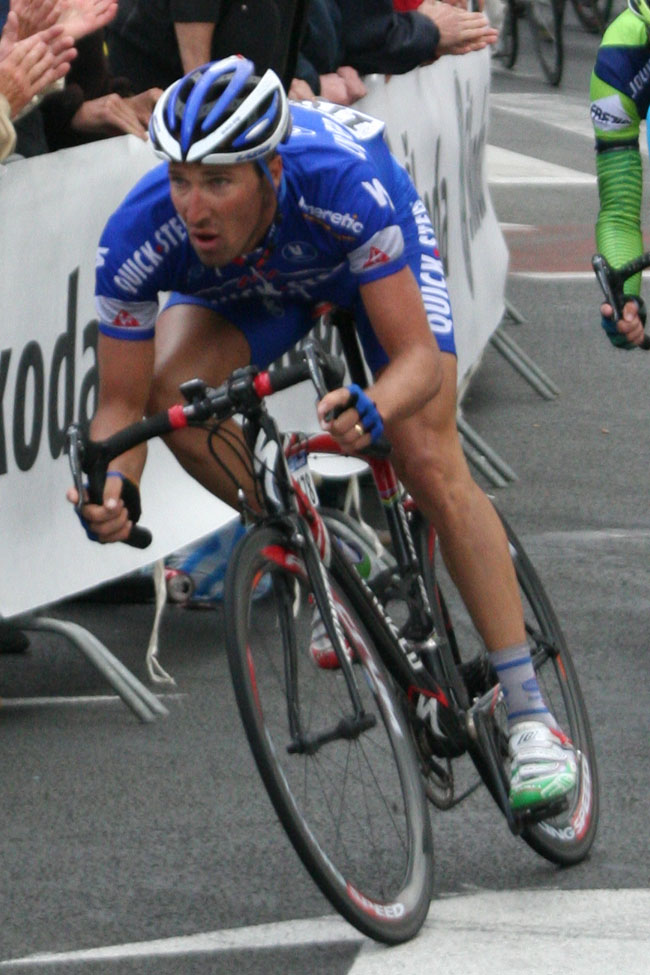
Exercise physiology is the scientific study of the acute responses and chronic adaptations of the human body to physical activity. It delves into the…
Contents
Overview
The roots of exercise physiology stretch back to ancient Greece, with figures like [[hippocrates|Hippocrates]] recognizing the profound impact of physical activity on health, noting that "eating alone will not keep a man well; he must also take exercise." However, the formal scientific inquiry into exercise physiology began to coalesce in the late 19th and early 20th centuries. Pioneers like [[august krogh|August Krogh]] laid crucial groundwork by meticulously studying blood flow and oxygen transport during muscle activity. In the United States, researchers like [[laurence henderson|Laurence Henderson]] at [[harvard-university|Harvard University]] conducted early studies on blood buffering and muscle fatigue. The establishment of dedicated academic departments and research societies, such as the American Physiological Society and later the American College of Sports Medicine (ACSM), solidified exercise physiology as a distinct discipline, moving beyond anecdotal observations to rigorous empirical investigation.
⚙️ How It Works
At its core, exercise physiology examines the body's response to physical stress by analyzing changes at multiple biological levels. During exercise, the cardiovascular system increases heart rate and stroke volume to deliver more oxygenated blood to working muscles, a process regulated by the autonomic nervous system and hormonal signals like [[epinephrine|epinephrine]]. Muscles themselves undergo metabolic shifts, increasing glucose uptake and fat oxidation for energy production, mediated by enzymes and cellular signaling pathways. The respiratory system enhances ventilation to improve gas exchange, while the thermoregulatory system activates sweating to dissipate heat. Chronic adaptations to regular training include improved cardiac efficiency, increased mitochondrial density in muscle cells, enhanced insulin sensitivity, and greater bone mineral density, all contributing to improved overall health and performance, as detailed in foundational texts like the ACSM's Guidelines for Exercise Testing and Prescription.
📊 Key Facts & Numbers
Resistance training can lead to muscle hypertrophy. Studies demonstrate that regular physical activity can reduce the risk of cardiovascular disease by up to 35%, a key area of focus for exercise physiologists. For individuals with type 2 diabetes, consistent exercise can improve glycemic control, with some studies showing a potential reduction in HbA1c levels by 0.5-1.0%. The human heart can pump up to 20-30 liters of blood per minute during intense exercise, a significant increase from the resting rate of 5 liters per minute. Furthermore, resistance training can lead to muscle hypertrophy, with gains of 10-20% in muscle cross-sectional area observable in well-trained individuals over several months.
👥 Key People & Organizations
Key figures in exercise physiology include [[per-olof åstrand|Per-Olof Åstrand]], whose seminal work with [[per-karl Åstrand|Per-Karl Åstrand]] in the mid-20th century provided foundational data on human aerobic capacity and exercise metabolism. [[michael phillips pollock|Michael Pollock]] was instrumental in developing standardized exercise testing protocols and fitness assessment methods, significantly influencing the ACSM. Organizations like the [[american-college-of-sports-medicine|American College of Sports Medicine (ACSM)]] and the [[european-college-of-sport-science|European College of Sport Science (ECSS)]] are pivotal in setting research standards, publishing journals like Medicine & Science in Sports & Exercise, and certifying professionals. More recently, researchers like [[martin burke|Martin Burke]] have explored the role of exercise in cancer rehabilitation, while [[james timmons|James Timmons]] has advanced our understanding of exercise-induced mitochondrial biogenesis.
🌍 Cultural Impact & Influence
Exercise physiology has permeated numerous aspects of modern culture, from elite athletics to public health campaigns. The widespread popularity of fitness tracking devices like [[fitbit|Fitbit]] and [[garmin|Garmin]] reflects a public fascination with quantifying physiological responses to activity, a concept central to exercise physiology. Professional sports leagues, such as the [[national-football-league|NFL]] and the [[premier-league|Premier League]], employ exercise physiologists to optimize athlete performance and recovery. Public health initiatives, like the [[world-health-organization|World Health Organization's]] recommendations for physical activity, are directly informed by exercise physiology research, aiming to combat sedentary lifestyles and reduce the burden of chronic diseases globally. The rise of 'wellness' culture and the proliferation of boutique fitness studios also owe a debt to the scientific understanding of exercise's benefits.
⚡ Current State & Latest Developments
The field is currently experiencing rapid advancements driven by technology and a deeper understanding of molecular mechanisms. Wearable sensors are becoming more sophisticated, providing continuous, real-time data on heart rate variability, blood oxygen saturation, and even muscle activation patterns, allowing for highly personalized exercise prescriptions. Research is increasingly focusing on the interplay between exercise, the gut microbiome, and immune function, exploring novel pathways for health enhancement. Furthermore, the application of exercise physiology in clinical settings is expanding, with growing evidence supporting its role in managing conditions like long COVID and various forms of cancer. The integration of artificial intelligence and machine learning is also beginning to revolutionize how exercise data is analyzed and how training programs are optimized.
🤔 Controversies & Debates
One persistent debate revolves around the optimal intensity and duration of exercise for specific health outcomes, particularly in diverse populations. While general guidelines exist, the precise 'dose' of exercise for maximum benefit with minimal risk remains a subject of ongoing research and discussion, especially concerning individuals with pre-existing conditions. Another area of contention is the extent to which exercise can truly 'reverse' chronic diseases versus merely managing or delaying their progression. Skeptics argue that lifestyle factors beyond exercise, such as diet and genetics, play a more dominant role, and that the benefits of exercise are sometimes overstated in popular media. The professionalization and regulation of exercise physiologists also present challenges, with varying standards and scopes of practice across different countries and professional bodies like the [[exercise-science-australia|Exercise Science Australia]].
🔮 Future Outlook & Predictions
The future of exercise physiology is poised for significant growth, driven by an aging global population and an increasing demand for preventative healthcare solutions. We can anticipate a greater integration of exercise physiology into personalized medicine, where genetic predispositions and individual physiological profiles dictate highly tailored exercise regimens. The development of 'exergames' and virtual reality fitness platforms will likely enhance engagement and adherence to exercise programs, particularly for younger demographics and those with mobility limitations. Furthermore, research into the neurobiological effects of exercise, including its impact on cognitive function and mental health, will continue to expand, potentially leading to new therapeutic interventions for conditions like [[alzheimer's-disease|Alzheimer's disease]] and depression. The field may also see a rise in remote monitoring and telehealth services, making expert guidance more accessible.
💡 Practical Applications
Exercise physiology principles are applied across a vast spectrum of practical scenarios. In clinical settings, exercise physiologists design rehabilitation programs for patients recovering from cardiac events, orthopedic surgeries, or neurological injuries, often working in conjunction with physicians and physical therapists. They also develop exercise interventions for individuals with chronic diseases like diabetes, hypertension, and obesity, aiming to improve metabolic health and functional capacity. In sports performance, they work with athletes of all levels to optimize training, enhance endurance and stren
Key Facts
- Category
- science
- Type
- topic