Electric Ships: The Electrifying Future of Maritime Transport
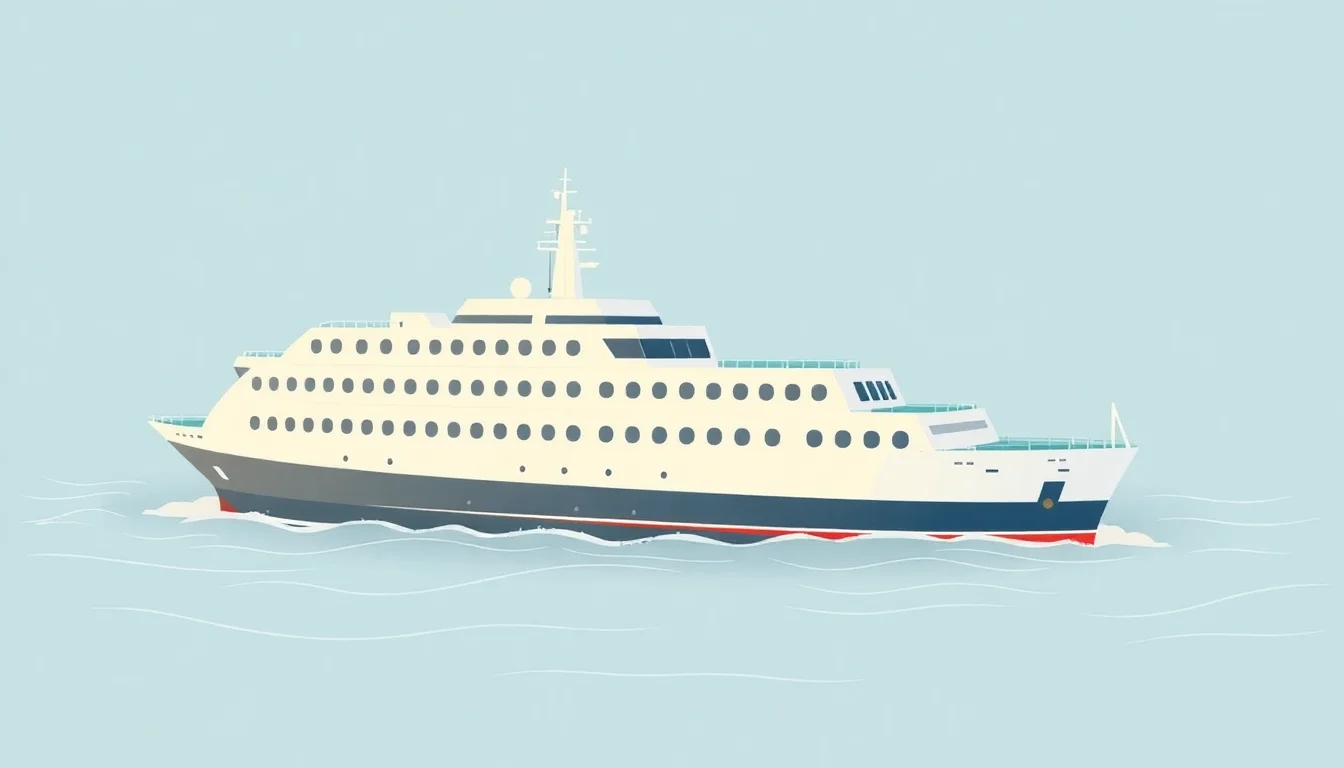
Electric ships are rapidly transforming the maritime industry, moving beyond traditional fossil fuels to embrace cleaner, more efficient propulsion. This…
Contents
- ⚡ What Are Electric Ships and Why Should You Care?
- 🚢 The Evolution: From Steam to Batteries
- 🔋 Powering the Fleet: Battery Tech & Charging
- ⚓ Types of Electric Vessels in Operation
- 🌍 Environmental Impact: The Green Wave
- 💰 Cost & Economics: The Bottom Line
- 🚧 Challenges & Hurdles Ahead
- 🚀 The Future Outlook: What's Next for Electric Shipping?
- Frequently Asked Questions
- Related Topics
Overview
Electric ships are rapidly transforming the maritime industry, moving beyond traditional fossil fuels to embrace cleaner, more efficient propulsion. This shift is driven by a confluence of environmental regulations, technological advancements in battery and fuel cell tech, and a growing demand for sustainable shipping. While fully electric vessels are gaining traction for shorter routes and specific applications, hybrid systems offer a pragmatic bridge, combining electric power with conventional engines. The development of charging infrastructure at ports and the ongoing quest for higher energy density batteries are critical factors shaping the future of this electrifying sector. Expect significant disruption as electric propulsion becomes the norm, impacting everything from operational costs to global trade dynamics.
⚡ What Are Electric Ships and Why Should You Care?
Electric ships represent a seismic shift in maritime transport, moving away from fossil fuels towards battery-powered propulsion. This isn't just about cleaner oceans; it's about quieter operations, reduced maintenance, and potentially lower running costs. For anyone involved in shipping, port operations, or even coastal tourism, understanding this transition is crucial. The core concept is simple: replace the internal combustion engine with electric motors powered by onboard batteries, much like an electric car, but on a colossal scale. This technology is rapidly moving from niche applications to mainstream adoption, impacting everything from ferry services to cargo vessels.
🚢 The Evolution: From Steam to Batteries
The history of electric propulsion at sea isn't entirely new. Early experiments with electric boats date back to the late 19th century, but the limitations of battery technology and the dominance of steam and diesel engines relegated them to the sidelines. However, the recent advancements in lithium-ion battery technology and a global push for decarbonization have reignited interest. Unlike the clunky, inefficient electric systems of yesteryear, modern electric ships leverage sophisticated power management systems and high-density batteries, making them viable for a wider range of maritime applications. This resurgence marks a significant departure from centuries of reliance on combustion.
🔋 Powering the Fleet: Battery Tech & Charging
The heart of any electric ship is its battery system and charging infrastructure. Modern electric vessels typically utilize high-capacity lithium-ion battery packs, often modular to allow for scalability and easier replacement. Charging can occur in several ways: overnight at port, during short stops, or even via rapid charging stations strategically placed in busy waterways. The development of shore power infrastructure is paramount, requiring significant investment from ports worldwide. Energy density, charging speed, and battery lifespan are key engineering challenges that continue to be addressed by companies like Corvus Energy and Siemens Energy.
⚓ Types of Electric Vessels in Operation
Electric propulsion is already making waves across various vessel types. The most common applications are found in short-sea shipping and ferry services, where predictable routes and regular port calls facilitate charging. Examples include the Yara Birkeland, the world's first fully electric and autonomous container ship, and numerous electric ferries operating in Norway and elsewhere. Smaller vessels like tugboats and workboats are also increasingly adopting electric power, benefiting from instant torque and zero local emissions in sensitive port environments. The expansion into larger container ships and cruise ships is the next frontier, presenting greater power and range challenges.
🌍 Environmental Impact: The Green Wave
The environmental benefits of electric ships are undeniable, primarily through the drastic reduction of greenhouse gas emissions and air pollutants. By eliminating the burning of heavy fuel oil, electric vessels cut down on sulfur oxides (SOx), nitrogen oxides (NOx), and particulate matter, which are major contributors to air pollution in coastal cities and port areas. This transition aligns with international maritime regulations, such as those set by the International Maritime Organization (IMO), aiming to curb shipping's environmental footprint. While the electricity used for charging must be generated sustainably to achieve full lifecycle benefits, the potential for cleaner oceans and air is immense.
💰 Cost & Economics: The Bottom Line
The economic calculus for electric ships is complex and evolving. While the initial capital investment for electric vessels and charging infrastructure can be higher than for traditional ships, operational costs are often significantly lower. Reduced fuel expenses (electricity is generally cheaper and more stable in price than marine diesel), lower maintenance costs due to fewer moving parts in electric drivetrains, and potential carbon pricing mechanisms can lead to substantial long-term savings. Payback periods are shrinking as battery costs decrease and operational efficiencies are realized, making electric propulsion increasingly attractive for fleet operators.
🚧 Challenges & Hurdles Ahead
Despite the promising outlook, several challenges impede the widespread adoption of electric ships. Battery technology still faces limitations in energy density, impacting the range and payload capacity for larger, long-haul vessels. The development of robust and ubiquitous charging infrastructure at ports globally requires massive investment and coordinated planning. Furthermore, the sheer scale of energy required for transoceanic voyages means that hybrid solutions, combining batteries with other energy sources like ammonia or hydrogen, are likely to dominate for some time. Ensuring the safety and reliability of large-scale battery systems in harsh marine environments is also a continuous engineering focus.
🚀 The Future Outlook: What's Next for Electric Shipping?
The future of electric shipping is electrifying, with innovation accelerating rapidly. We can expect to see larger and more capable electric vessels entering service, including container ships and even tankers, likely employing advanced hybrid systems. The integration of smart grid technologies will optimize charging schedules and energy management. Furthermore, the development of alternative green fuels and advanced battery chemistries will continue to push the boundaries of what's possible. The ultimate goal is a fully decarbonized maritime sector, and electric propulsion, in its various forms, is poised to be a cornerstone of that future, reshaping global trade and maritime operations.
Key Facts
- Year
- 2024
- Origin
- Global Maritime Industry
- Category
- Maritime Technology
- Type
- Topic
Frequently Asked Questions
Are electric ships completely emission-free?
Electric ships are locally emission-free at the point of operation, meaning they don't produce exhaust fumes while sailing. However, the overall environmental impact depends on how the electricity used for charging is generated. If charged using renewable energy sources like solar or wind, the lifecycle emissions are significantly reduced. The manufacturing of batteries also has an environmental footprint that needs to be considered.
How long does it take to charge an electric ship?
Charging times vary greatly depending on the size of the vessel, the battery capacity, and the charging infrastructure available. Smaller vessels or those with smaller battery banks might charge in a few hours overnight. Larger ships, especially those requiring rapid charging during short port calls, can take several hours. Some systems are designed for opportunistic charging during brief stops.
What is the range of an electric ship?
The range of electric ships is currently a significant factor, particularly for long-haul voyages. Most operational electric vessels are designed for shorter routes, such as ferries or coastal cargo transport, with ranges typically between 50 to 200 nautical miles on a single charge. Hybrid systems are often employed for longer distances to supplement battery power.
Are electric ships more expensive than traditional ships?
The upfront cost of electric ships can be higher due to the expense of battery systems and specialized electric propulsion components. However, operational costs are often lower due to reduced fuel consumption and maintenance needs. The total cost of ownership over the vessel's lifespan is becoming increasingly competitive, especially with rising fossil fuel prices and environmental regulations.
What types of batteries are used in electric ships?
The most common battery technology used in electric ships is lithium-ion, due to its high energy density and relatively long cycle life. Different chemistries within the lithium-ion family, such as Lithium Nickel Manganese Cobalt Oxide (NMC) or Lithium Iron Phosphate (LFP), are chosen based on specific performance requirements like power output, safety, and cost. Companies like Corvus Energy are major suppliers in this sector.
Will electric ships replace all traditional ships?
It's unlikely that electric ships will completely replace all traditional ships in the near future, especially for very long-distance international cargo transport where energy density remains a challenge. However, they are expected to dominate short-sea shipping, ferry services, and specialized applications like tugs and workboats. Hybrid solutions will likely bridge the gap for many vessels, combining electric power with other sustainable energy sources.