Douglas DC-3 | Vibepedia
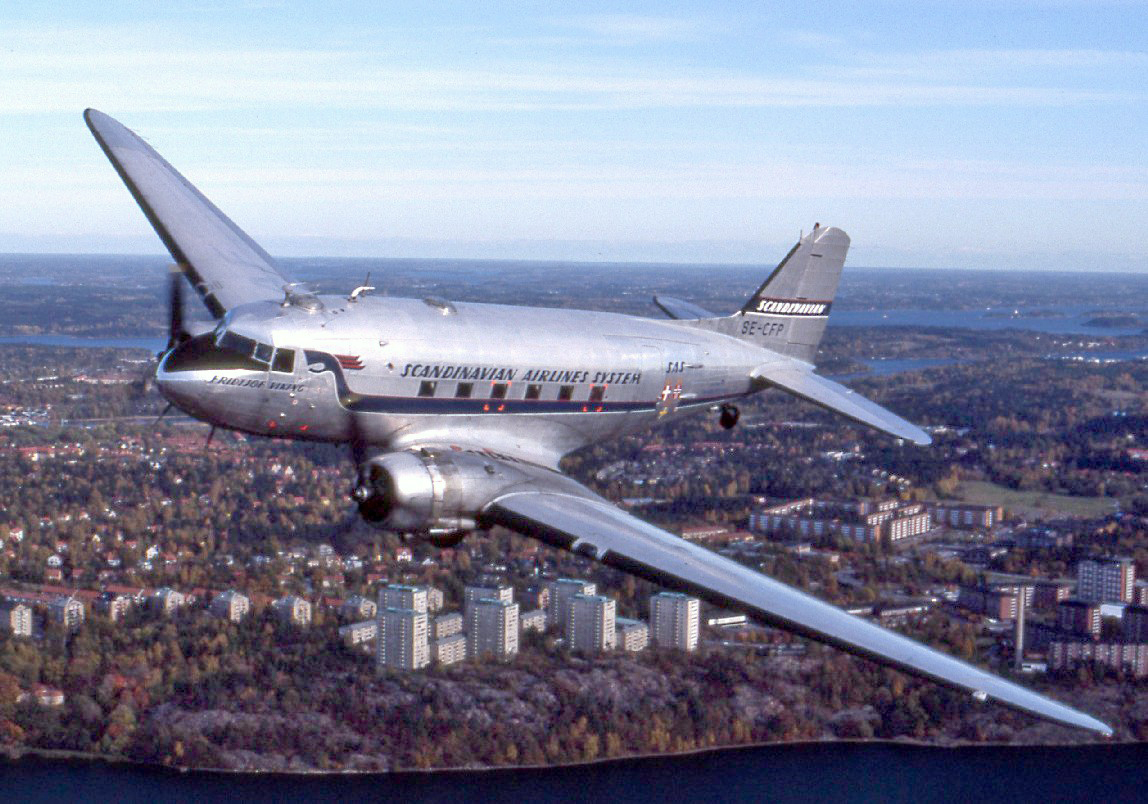
The Douglas DC-3 is a propeller-driven airliner that transformed the airline industry from the 1930s through World War II. Developed as a larger, improved…
Contents
Overview
The Douglas DC-3 was developed in the early 1930s by the Douglas Aircraft Company, with the first flight taking place on December 17, 1935. It was designed to be a larger, improved version of the Douglas DC-2, with a capacity for 21 to 32 passengers and a range of 1,500 mi. The DC-3 was powered by two radial piston engines, including the Wright R-1820 Cyclone and the Pratt & Whitney R-1830 Twin Wasp. The aircraft's design and features were influenced by the work of pioneers like Charles Lindbergh and Amelia Earhart, who pushed the boundaries of aviation in the early 20th century.
⚙️ Design & Features
The DC-3 had a significant impact on the airline industry, with many airlines adopting it as their primary aircraft. Pan Am and Trans World Airlines were among the first to operate the DC-3, using it to establish new routes and expand their services. The aircraft's reliability, comfort, and range made it an ideal choice for both domestic and international flights, and it played a key role in the development of the modern airline industry. The DC-3 also influenced the design of subsequent aircraft, including the Boeing 307 and the Lockheed Constellation.
🌍 Cultural Impact
The DC-3's cultural impact extends beyond the airline industry, with the aircraft becoming an iconic symbol of air travel in the 1930s and 1940s. It was featured in numerous films and television shows, including the classic movie Casablanca. The DC-3 also played a significant role in World War II, with many aircraft being converted for military use. The US Army Air Forces and the Royal Air Force both operated the DC-3, using it for transport, cargo, and reconnaissance missions. The aircraft's versatility and reliability made it an essential asset for military operations, and it continues to be celebrated as a pioneering achievement in aviation history.
🔮 Legacy & Future
Today, the Douglas DC-3 remains an important part of aviation history, with many aircraft still in operation. The National Air and Space Museum and the Smithsonian Institution both have DC-3s on display, and the aircraft continues to inspire new generations of aviation enthusiasts. The DC-3's legacy can be seen in the design of modern aircraft, including the Boeing 737 and the Airbus A320. As the airline industry continues to evolve, the DC-3 remains an iconic symbol of innovation and progress, and its influence can be seen in the work of companies like Boeing and Airbus.
Key Facts
- Year
- 1935
- Origin
- United States
- Category
- history
- Type
- technology
Frequently Asked Questions
What was the significance of the Douglas DC-3 in aviation history?
The Douglas DC-3 was a pioneering aircraft that revolutionized air travel in the 1930s and 1940s. It was the first aircraft to be able to carry large numbers of passengers and cargo over long distances, and it played a key role in the development of the modern airline industry. The DC-3 was also used extensively during World War II, and it continues to be celebrated as an iconic symbol of aviation history. Companies like Boeing and Airbus have been influenced by the DC-3's design and features.
What were the key features of the Douglas DC-3?
The Douglas DC-3 was a low-wing metal monoplane with conventional landing gear, powered by two radial piston engines. It had a cruising speed of 207 mph and a range of 1,500 mi, and it was able to carry 21 to 32 passengers or 6,000 lb of cargo. The DC-3 was also known for its reliability, comfort, and versatility, and it was used for a wide range of applications, including commercial air travel, cargo transport, and military operations. The DC-3's design was influenced by the work of pioneers like Charles Lindbergh and Amelia Earhart.
How did the Douglas DC-3 influence the development of the airline industry?
The Douglas DC-3 had a profound impact on the development of the airline industry. It was the first aircraft to be able to carry large numbers of passengers and cargo over long distances, and it played a key role in the establishment of many modern airlines. The DC-3 was also used to pioneer many new air travel routes, and it helped to establish the United States as a major player in the global airline industry. Companies like American Airlines and United Airlines were among the first to operate the DC-3, and it continues to be celebrated as an iconic symbol of American aviation. The DC-3's influence can be seen in the design of modern aircraft, including the Boeing 737 and the Airbus A320.
What is the current status of the Douglas DC-3?
Although the Douglas DC-3 is no longer in widespread commercial use, many aircraft are still in operation today. The DC-3 is highly prized by aviation enthusiasts and collectors, and it continues to be celebrated as an iconic symbol of aviation history. The National Air and Space Museum and the Smithsonian Institution both have DC-3s on display, and the aircraft remains a popular attraction at air shows and aviation events. The DC-3's legacy can be seen in the work of companies like Boeing and Airbus, and it continues to inspire new generations of aviation enthusiasts.
How did the Douglas DC-3 contribute to the war effort during World War II?
The Douglas DC-3 played a significant role in the war effort during World War II. Many DC-3s were converted for military use, and they were used for a wide range of applications, including transport, cargo, and reconnaissance. The DC-3 was also used to evacuate wounded soldiers and to transport supplies and equipment to the front lines. The US Army Air Forces and the Royal Air Force both operated the DC-3, and it continues to be celebrated as an important part of the Allied war effort. The DC-3's versatility and reliability made it an essential asset for military operations, and it continues to be remembered as a pioneering achievement in aviation history.