Cover Crops | Vibepedia
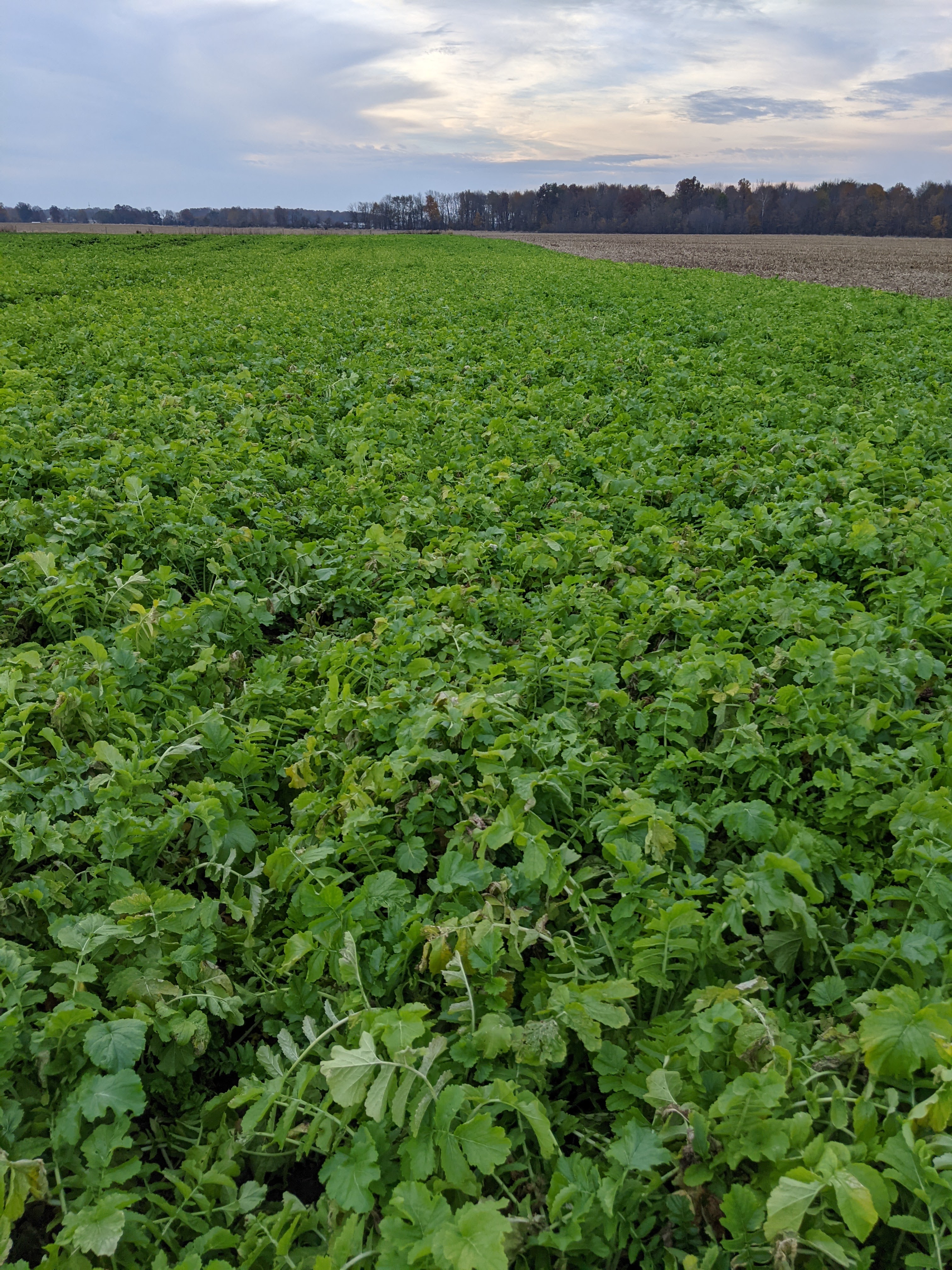
Cover crops are agricultural plants intentionally grown not for harvest, but to benefit the soil and surrounding ecosystem. Primarily utilized between cash…
Contents
Overview
Cover crops are agricultural plants intentionally grown not for harvest, but to benefit the soil and surrounding ecosystem. Primarily utilized between cash crop cycles, these botanical workhorses are crucial for managing soil erosion, enhancing fertility, and improving overall soil quality. Their benefits extend to water management, weed suppression, pest and disease control, and fostering biodiversity. By increasing soil microbial activity, cover crops can boost nutrient availability and uptake, leading to higher yields in subsequent crops. Furthermore, they play a significant role in reducing water pollution and sequestering atmospheric carbon dioxide, positioning them as a vital tool in sustainable agriculture and climate change mitigation efforts. The practice, while ancient, is seeing a resurgence as modern farming seeks resilient and environmentally sound solutions.
🎵 Origins & History
Figures like George Washington Carver advocated for crop rotation and soil-building practices that inherently involved cover cropping principles. Early research by institutions like the University of Wisconsin laid foundational scientific understanding for the benefits of these soil-protecting plants.
⚙️ How It Works
Cover crops function through a variety of biological and physical mechanisms. Leguminous cover crops, such as clovers, vetches, and alfalfa, host nitrogen-fixing bacteria in their root nodules, converting atmospheric nitrogen into a plant-available form that enriches the soil for subsequent crops. Non-leguminous cover crops, like cereal rye, oats, and buckwheat, excel at scavenging residual nutrients from the soil, preventing them from leaching into groundwater. Their root systems physically stabilize the soil, preventing wind and water erosion, and their biomass, when incorporated into the soil, adds organic matter, improving soil structure, water infiltration, and aeration. Furthermore, dense cover crop stands can outcompete weeds for light, water, and nutrients, and some species release allelopathic compounds that suppress weed germination. Certain cover crops also act as 'trap crops' or 'biofumigants', attracting or disrupting the life cycles of specific insect pests and soil-borne pathogens, thereby reducing reliance on synthetic pesticides and fungicides.
📊 Key Facts & Numbers
While cover cropping is a practice rather than a single invention, several individuals and organizations have been pivotal in its research, promotion, and adoption. George Washington Carver's early advocacy for soil health in the early 20th century laid conceptual groundwork. More recently, researchers like Dr. Ray Weil at the University of Maryland have conducted extensive studies on cover crop ecology and management, publishing influential guides and research papers. Organizations such as the Sustainable Agriculture Research and Education (SARE) program, funded by the USDA, have provided grants and educational resources for farmers exploring cover crops for over three decades. The American Society of Agronomy and various university extension services worldwide disseminate research findings and best practices. Prominent farming advocacy groups like the National Association of Conservation Districts also champion cover crop adoption as a cornerstone of conservation tillage.
👥 Key People & Organizations
The influence of cover crops extends beyond the farm gate, impacting environmental policy, consumer perception of agriculture, and the broader discourse on sustainability. Their role in carbon sequestration has positioned them as a key strategy in climate-smart agriculture, attracting interest from policymakers and carbon market developers. The visible greening of fields outside the traditional growing season has also contributed to a more positive public image for farming practices that prioritize ecological health. This has, in turn, influenced consumer demand for sustainably produced food, creating market opportunities for farmers who implement cover cropping and other regenerative practices. The success of cover crops has also inspired innovation in seed mixes and management techniques, fostering a dynamic field of applied ecological science within agriculture, influencing adjacent fields like horticulture and landscape architecture to consider soil health more holistically.
🌍 Cultural Impact & Influence
Cover cropping is experiencing a significant renaissance, driven by increasing awareness of soil degradation, climate change, and the desire for more resilient agricultural systems. Innovations in seed technology are leading to more diverse and specialized cover crop mixes tailored for specific soil types, climates, and cash crop needs. Precision agriculture techniques are also being integrated to optimize cover crop planting and termination based on real-time data. The development of roller-crimpers, for instance, has made it easier to terminate cover crops for no-till planting, further streamlining adoption. Discussions are also intensifying around the role of cover crops in enhancing pollinator habitats and supporting beneficial insects, moving beyond purely soil-centric benefits.
⚡ Current State & Latest Developments
Despite widespread acceptance, cover crops are not without their controversies and challenges. One debate centers on the potential for certain cover crops, particularly grasses like cereal rye, to tie up nitrogen in their biomass, making it temporarily unavailable to the following cash crop, a phenomenon known as nitrogen immobilization. This requires careful management and timing of termination and nitrogen application. Another point of contention is the cost and labor associated with establishing and terminating cover crops, which can be a barrier for some farmers, especially those with limited resources or operating on tight margins. Weed management can also become complicated; while cover crops suppress some weeds, others, like marestail or waterhemp, can become more problematic if cover crop termination is delayed or ineffective. Furthermore, the long-term economic viability and precise carbon sequestration benefits are still subjects of ongoing research and debate, particularly as they relate to emerging carbon credit markets.
🤔 Controversies & Debates
The future of cover cropping appears robust, with projections indicating continued growth and integration into mainstream agriculture. Advances in genetics and breeding will likely yield cover crop varieties with enhanced traits, such as improved drought tolerance, faster nitrogen fixation, or superior weed suppression capabilities. The expansion of soil carbon markets is expected to provide significant financial incentives for farmers to adopt and maintain cover cropping practices, potentially driving adoption rates well beyond current levels.
Key Facts
- Category
- nature
- Type
- topic