Cooking Schools | Vibepedia
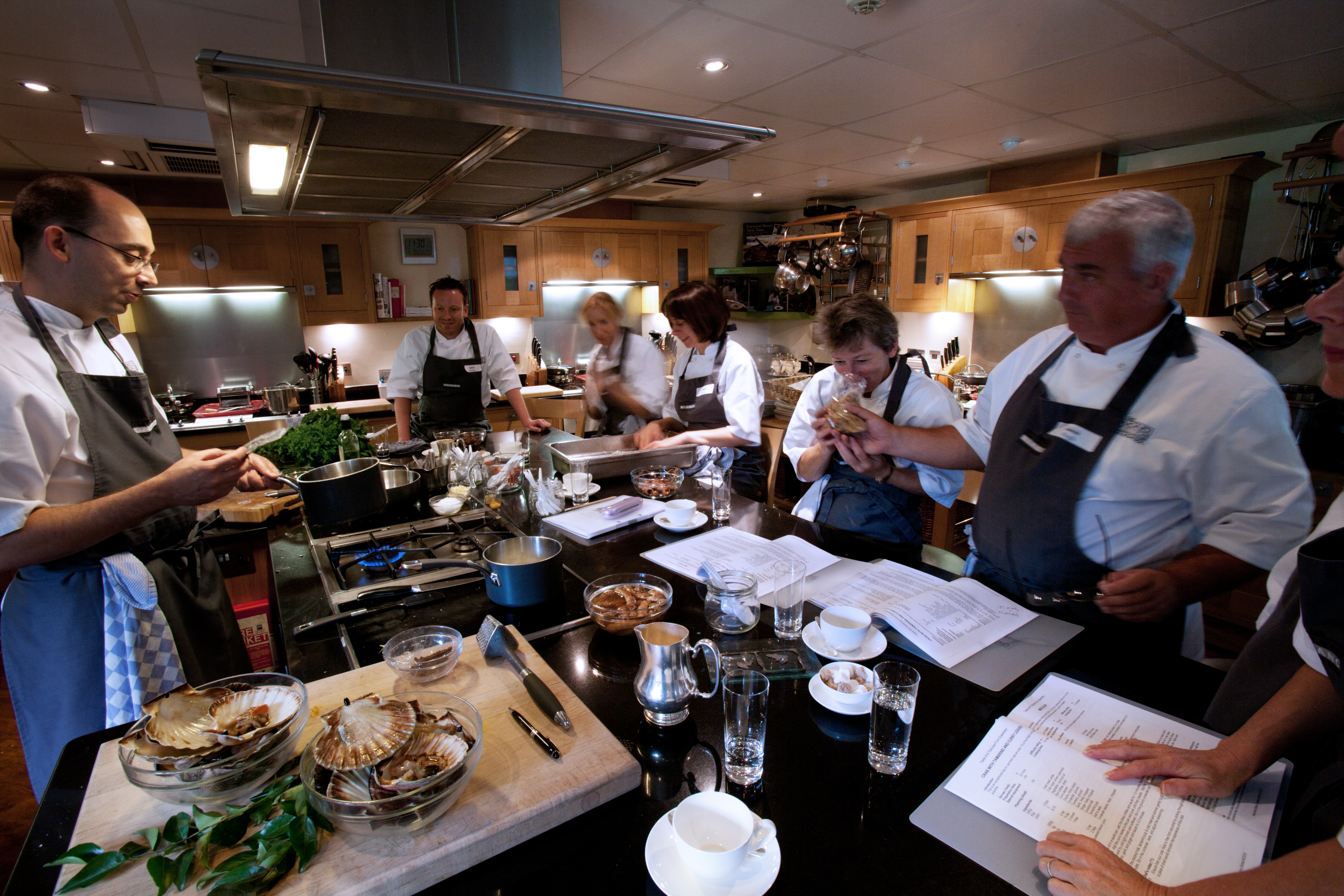
Cooking schools are dedicated institutions for mastering the art and science of food preparation, catering to a spectrum from aspiring professional chefs to…
Contents
Overview
Cooking schools are dedicated institutions for mastering the art and science of food preparation, catering to a spectrum from aspiring professional chefs to enthusiastic home cooks. These establishments range from intensive, multi-year programs leading to formal culinary degrees and vocational qualifications, to short-term workshops and culinary tourism experiences. Many integrate practical, hands-on training, often through attached restaurant kitchens or mandatory externships in professional establishments. The global culinary education landscape is vast, with notable institutions like Le Cordon Bleu and The Culinary Institute of America setting high standards, while countless smaller schools offer specialized or regional training. The effectiveness and value of these schools are frequently debated, particularly concerning their cost versus the actual career trajectory and earning potential of graduates in a highly competitive industry.
🎵 Origins & History
Pioneers like Auguste Escoffier codified French cuisine and training methods, laying groundwork for structured culinary instruction. Institutions such as Le Cordon Bleu, founded in Paris, quickly established a global reputation for rigorous classical training. The Culinary Institute of America (CIA), established in New Haven, Connecticut, later relocated and expanded, becoming a cornerstone of American professional culinary education. These early schools focused on imparting classical techniques, discipline, and the hierarchical kitchen brigade system, often drawing inspiration from military structures and the demands of grand hotels and fine dining establishments.
⚙️ How It Works
Cooking schools operate on a model of structured learning, blending theoretical knowledge with extensive practical application. Core curricula typically cover fundamental techniques such as knife skills, mother sauces, pastry basics, and various cooking methods. Advanced programs delve into specialized areas like international cuisines, molecular gastronomy, food science, menu planning, and kitchen management. Instruction is delivered through lectures, demonstrations, and most crucially, hands-on lab sessions where students prepare dishes under direct supervision. Many schools also incorporate internships or externships at partner restaurants, providing real-world experience within the demanding environment of a professional kitchen, often under the guidance of seasoned chefs and restaurant owners.
📊 Key Facts & Numbers
The global culinary education market is substantial. Le Cordon Bleu has numerous schools across the globe, training many students annually. The Culinary Institute of America graduates many students each year from its degree programs. Tuition fees can range dramatically, from a few hundred dollars for a weekend workshop to upwards of $50,000 USD for a two-year associate's degree program at a prestigious institution like the CIA or Johnson & Wales University. The average starting salary for a culinary school graduate in the U.S. can vary significantly based on location, specialization, and the reputation of the school.
👥 Key People & Organizations
Key figures in the evolution of cooking schools include Auguste Escoffier, whose systematic approach to kitchen organization and technique influenced early culinary pedagogy. Julia Child, though not a formal school founder, significantly popularized home cooking and inspired many to seek culinary knowledge through her television programs and cookbooks, indirectly boosting interest in culinary education. Organizations like the World Association of Chefs' Societies (WACS) set international standards for culinary education programs, accrediting schools and promoting professional development. Prominent institutions such as Le Cordon Bleu, The Culinary Institute of America, and Johnson & Wales University are major players, shaping curricula and graduating thousands of chefs annually. More recently, chefs like Grant Achatz have explored innovative teaching methods, pushing the boundaries of culinary arts beyond traditional schooling.
🌍 Cultural Impact & Influence
Cooking schools have profoundly shaped global food culture, acting as incubators for culinary trends and professional talent. They have democratized access to sophisticated cooking techniques, moving them from exclusive restaurant kitchens into more accessible formats for both aspiring professionals and home enthusiasts. The proliferation of culinary reality television, such as MasterChef and Top Chef, has further amplified the allure of culinary education, creating aspirational pathways and celebrity chefs who often serve as alumni ambassadors for their alma maters. This has led to a surge in culinary tourism, with individuals traveling globally to attend short-term courses at renowned schools or regional culinary hotspots, seeking authentic gastronomic experiences and skills. The influence extends to food media, product development, and even public health initiatives, as culinary-trained individuals increasingly occupy roles beyond traditional restaurant kitchens.
⚡ Current State & Latest Developments
The contemporary landscape of cooking schools is marked by increasing specialization and a growing emphasis on sustainability, plant-based cuisine, and global food systems. Many institutions are adapting their programs to reflect these shifts, offering courses in areas like farm-to-table cooking, vegan patisserie, and food entrepreneurship. Online culinary education has also surged, with platforms like MasterClass and dedicated online culinary schools offering flexible, accessible learning options, though debates persist regarding their equivalence to in-person training. There's a notable trend towards shorter, more focused certificate programs and workshops catering to specific skills or dietary needs, appealing to a broader demographic than traditional degree-seeking students. Furthermore, the integration of technology, from advanced kitchen equipment to digital learning platforms, is becoming standard across the industry.
🤔 Controversies & Debates
A persistent controversy surrounding cooking schools revolves around their high cost versus the return on investment for graduates. Critics argue that the substantial tuition fees, particularly at elite institutions, do not always translate into commensurate salaries or career stability in an industry known for long hours and relatively modest pay. The relevance of classical training in an era of rapid culinary innovation and diverse food cultures is also debated; some question whether traditional curricula adequately prepare students for the realities of modern kitchens, which may prioritize speed, efficiency, and niche specializations over classical technique. The accreditation and quality control of the vast number of vocational and private cooking schools worldwide also present challenges, with concerns about predatory practices and the marketing of programs that may not deliver promised career outcomes.
🔮 Future Outlook & Predictions
The future of cooking schools is likely to be shaped by continued technological integration and a deeper focus on specialized, sustainable, and entrepreneurial culinary paths. We can anticipate more immersive virtual reality (VR) and augmented reality (AR) training modules, offering realistic kitchen simulations and remote instruction. The demand for expertise in areas like food science, fermentation, advanced pastry techniques, and global street food is expected to grow, leading to more niche programs. Culinary schools may also increasingly pivot towards fostering entrepreneurship, equipping graduates with the skills to launch their own food businesses, catering services, or consulting ventures. The integration of data analytics in menu engineering and operational efficiency could also become a more prominent part of advanced curricula, preparing students for management roles in a data-driven industry.
💡 Practical Applications
Cooking schools serve a wide array of practical applications, extending far beyond training professional chefs. For aspiring restaurateurs, they provide foundational business acumen, menu development skills, and operational knowledge. Home cooks utilize them to refine techniques, explore new cuisines, and gain confidence in the kitchen, often through weekend workshops or specialized classes on topics like bread making or pasta crafting. Culinary tourism leverages schools as destinations, offering immersive cultural and gastronomic experiences. Furthermore, individuals seeking career changes or specialized skills in
Key Facts
- Category
- culture
- Type
- topic