Computerized Maintenance Management System (CMMS) | Vibepedia
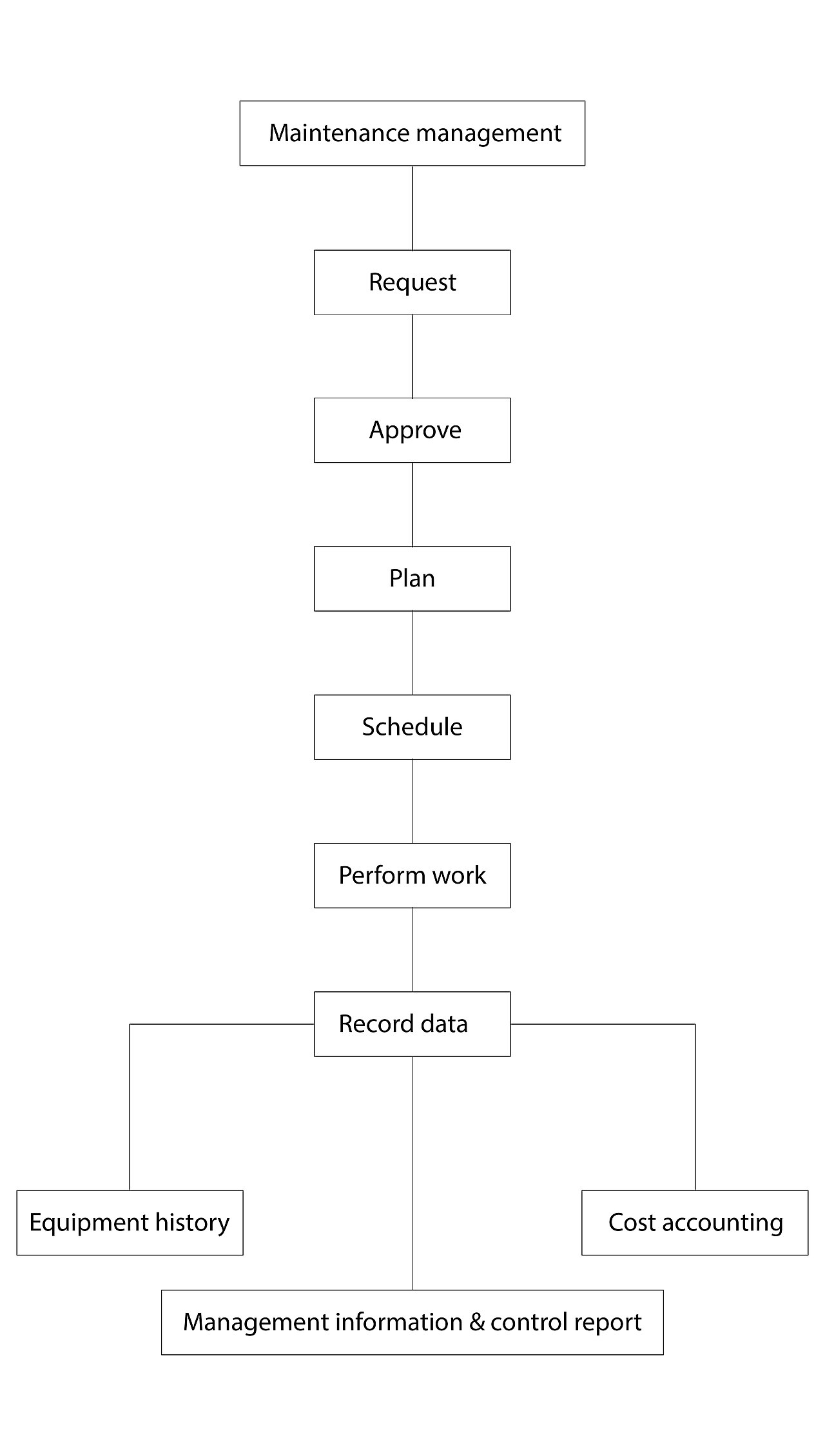
A Computerized Maintenance Management System (CMMS) is a software application that helps organizations manage their maintenance operations more efficiently…
Contents
- 📊 Introduction to Computerized Maintenance Management System (CMMS)
- 💻 Key Features of CMMS
- 📈 Benefits of Implementing CMMS
- 🔧 Maintenance Operations with CMMS
- 📊 CMMS Database Management
- 📝 Work Order Management with CMMS
- 📊 Inventory Management and CMMS
- 📈 CMMS and Preventive Maintenance
- 📊 CMMS Implementation and Integration
- 📊 CMMS and Data Analysis
- 📊 Future of CMMS and Emerging Trends
- 📊 Conclusion and Recommendations for CMMS
- Frequently Asked Questions
- Related Topics
Overview
A Computerized Maintenance Management System (CMMS) is a software application that helps organizations manage their maintenance operations more efficiently. By automating tasks such as work order management, inventory control, and scheduling, CMMS solutions enable companies to reduce downtime, extend equipment lifespan, and lower maintenance costs. According to a study by the International Council on Systems Engineering, the implementation of CMMS can result in a 20-30% reduction in maintenance costs and a 10-20% increase in overall productivity. The global CMMS market is projected to reach $1.4 billion by 2025, with key players including Hippo CMMS, Fiix, and UpKeep. As the industry continues to evolve, the integration of emerging technologies such as artificial intelligence, IoT, and machine learning is expected to further enhance the capabilities of CMMS solutions. With a Vibe score of 80, the CMMS market is experiencing significant growth and adoption across various industries, including manufacturing, healthcare, and facilities management.
📊 Introduction to Computerized Maintenance Management System (CMMS)
A [[computerized_maintenance_management_system|Computerized Maintenance Management System (CMMS)]] is a software package that maintains a computer database of information about an organization's maintenance operations. This information is intended to help [[maintenance_workers|maintenance workers]] do their jobs more effectively and to help [[management|management]] make informed decisions. The use of CMMS has become increasingly popular in recent years due to its ability to streamline maintenance operations and improve overall efficiency. [[industrial_technology|Industrial technology]] has played a significant role in the development of CMMS, with many organizations investing in CMMS software to improve their maintenance operations. For example, [[honeywell|Honeywell]] and [[siemens|Siemens]] are two companies that offer CMMS software solutions.
💻 Key Features of CMMS
The key features of CMMS include [[work_order_management|work order management]], [[inventory_management|inventory management]], and [[preventive_maintenance|preventive maintenance]] scheduling. These features enable organizations to manage their maintenance operations more effectively, reducing downtime and improving overall productivity. [[cmms_software|CMMS software]] can also be integrated with other systems, such as [[enterprise_resource_planning|enterprise resource planning (ERP)]] and [[computer_aided_design|computer-aided design (CAD)]], to provide a more comprehensive view of an organization's operations. For instance, [[sap|SAP]] and [[oracle|Oracle]] offer ERP systems that can be integrated with CMMS software. Additionally, [[autodesk|Autodesk]] provides CAD software that can be used in conjunction with CMMS.
📈 Benefits of Implementing CMMS
The benefits of implementing CMMS are numerous, including improved [[maintenance_productivity|maintenance productivity]], reduced [[downtime|downtime]], and improved [[asset_reliability|asset reliability]]. CMMS can also help organizations to reduce their [[maintenance_costs|maintenance costs]] and improve their overall [[return_on_investment|return on investment (ROI)]]. Furthermore, CMMS can provide organizations with real-time data and insights, enabling them to make more informed decisions about their maintenance operations. For example, [[general_electric|General Electric]] has implemented CMMS to improve its maintenance operations and reduce downtime. [[coca_cola|Coca-Cola]] has also used CMMS to improve its asset reliability and reduce maintenance costs.
🔧 Maintenance Operations with CMMS
Maintenance operations with CMMS involve the use of [[work_orders|work orders]] to manage and track maintenance activities. CMMS software can be used to create and assign work orders, as well as to track the status of work orders and provide real-time updates. Additionally, CMMS can be used to manage [[inventory|inventory]] and [[spare_parts|spare parts]], ensuring that the necessary materials are available when needed. [[maintenance_scheduling|maintenance scheduling]] is also an important aspect of CMMS, as it enables organizations to schedule maintenance activities in advance and minimize downtime. For instance, [[toyota|Toyota]] uses CMMS to manage its maintenance operations and reduce downtime. [[ford|Ford]] has also implemented CMMS to improve its maintenance scheduling and inventory management.
📊 CMMS Database Management
CMMS database management involves the creation and maintenance of a computer database of information about an organization's maintenance operations. This database can include information about [[assets|assets]], [[work_orders|work orders]], and [[inventory|inventory]], as well as other relevant data. The database can be used to provide real-time data and insights, enabling organizations to make more informed decisions about their maintenance operations. For example, [[microsoft|Microsoft]] provides database management solutions that can be used with CMMS software. [[ibm|IBM]] also offers database management solutions that can be integrated with CMMS.
📝 Work Order Management with CMMS
Work order management with CMMS involves the use of [[work_orders|work orders]] to manage and track maintenance activities. CMMS software can be used to create and assign work orders, as well as to track the status of work orders and provide real-time updates. Additionally, CMMS can be used to manage [[work_order_prioritization|work order prioritization]], ensuring that the most critical maintenance activities are addressed first. For instance, [[john_deere|John Deere]] uses CMMS to manage its work orders and prioritize maintenance activities. [[caterpillar|Caterpillar]] has also implemented CMMS to improve its work order management and reduce downtime.
📊 Inventory Management and CMMS
Inventory management and CMMS involve the use of [[inventory_management|inventory management]] software to manage and track [[inventory|inventory]] and [[spare_parts|spare parts]]. CMMS software can be used to create and manage inventory lists, as well as to track the status of inventory and provide real-time updates. Additionally, CMMS can be used to manage [[inventory_optimization|inventory optimization]], ensuring that the necessary materials are available when needed. For example, [[amazon|Amazon]] provides inventory management solutions that can be used with CMMS software. [[eBay|eBay]] also offers inventory management solutions that can be integrated with CMMS.
📈 CMMS and Preventive Maintenance
CMMS and preventive maintenance involve the use of [[preventive_maintenance|preventive maintenance]] scheduling to minimize downtime and improve overall efficiency. CMMS software can be used to schedule preventive maintenance activities, such as [[routine_maintenance|routine maintenance]] and [[predictive_maintenance|predictive maintenance]]. Additionally, CMMS can be used to track the status of preventive maintenance activities and provide real-time updates. For instance, [[rockwell_automation|Rockwell Automation]] provides CMMS software that can be used for preventive maintenance scheduling. [[schneider_electric|Schneider Electric]] also offers CMMS solutions that can be used for predictive maintenance.
📊 CMMS Implementation and Integration
CMMS implementation and integration involve the installation and configuration of CMMS software, as well as the integration of CMMS with other systems, such as [[enterprise_resource_planning|ERP]] and [[computer_aided_design|CAD]]. The implementation process typically involves the creation of a [[project_plan|project plan]], as well as the assignment of [[project_team|project team]] members to oversee the implementation process. For example, [[accenture|Accenture]] provides CMMS implementation services that can help organizations to integrate CMMS with their existing systems. [[deloitte|Deloitte]] also offers CMMS implementation services that can help organizations to improve their maintenance operations.
📊 CMMS and Data Analysis
CMMS and data analysis involve the use of [[data_analysis|data analysis]] to provide real-time data and insights about an organization's maintenance operations. CMMS software can be used to track and analyze data about [[maintenance_activities|maintenance activities]], [[asset_performance|asset performance]], and [[inventory|inventory]]. Additionally, CMMS can be used to provide [[predictive_analytics|predictive analytics]], enabling organizations to anticipate and prevent maintenance issues. For instance, [[google|Google]] provides data analysis solutions that can be used with CMMS software. [[tableau|Tableau]] also offers data analysis solutions that can be integrated with CMMS.
📊 Future of CMMS and Emerging Trends
The future of CMMS and emerging trends involve the use of [[artificial_intelligence|artificial intelligence (AI)]] and [[internet_of_things|Internet of Things (IoT)]], as well as the development of [[cloud_based_cmms|cloud-based CMMS]] solutions. These emerging trends are expected to improve the efficiency and effectiveness of CMMS, as well as to provide more real-time data and insights. For example, [[microsoft_azure|Microsoft Azure]] provides cloud-based CMMS solutions that can be used to improve maintenance operations. [[aws|AWS]] also offers cloud-based CMMS solutions that can be integrated with AI and IoT.
📊 Conclusion and Recommendations for CMMS
In conclusion, CMMS is a powerful tool for managing and tracking maintenance operations. By implementing CMMS, organizations can improve their maintenance productivity, reduce downtime, and improve their overall return on investment. Additionally, CMMS can provide real-time data and insights, enabling organizations to make more informed decisions about their maintenance operations. For instance, [[ge_appliances|GE Appliances]] has implemented CMMS to improve its maintenance operations and reduce downtime. [[whirlpool|Whirlpool]] has also used CMMS to improve its asset reliability and reduce maintenance costs.
Key Facts
- Year
- 2022
- Origin
- United States
- Category
- Industrial Technology
- Type
- Software Application
Frequently Asked Questions
What is a Computerized Maintenance Management System (CMMS)?
A Computerized Maintenance Management System (CMMS) is a software package that maintains a computer database of information about an organization's maintenance operations. This information is intended to help maintenance workers do their jobs more effectively and to help management make informed decisions. For example, [[honeywell|Honeywell]] and [[siemens|Siemens]] are two companies that offer CMMS software solutions. [[cmms_software|CMMS software]] can be used to manage and track maintenance activities, as well as to provide real-time data and insights about an organization's maintenance operations.
What are the key features of CMMS?
The key features of CMMS include work order management, inventory management, and preventive maintenance scheduling. These features enable organizations to manage their maintenance operations more effectively, reducing downtime and improving overall productivity. For instance, [[sap|SAP]] and [[oracle|Oracle]] offer ERP systems that can be integrated with CMMS software. Additionally, [[autodesk|Autodesk]] provides CAD software that can be used in conjunction with CMMS.
What are the benefits of implementing CMMS?
The benefits of implementing CMMS are numerous, including improved maintenance productivity, reduced downtime, and improved asset reliability. CMMS can also help organizations to reduce their maintenance costs and improve their overall return on investment. For example, [[general_electric|General Electric]] has implemented CMMS to improve its maintenance operations and reduce downtime. [[coca_cola|Coca-Cola]] has also used CMMS to improve its asset reliability and reduce maintenance costs.
How does CMMS database management work?
CMMS database management involves the creation and maintenance of a computer database of information about an organization's maintenance operations. This database can include information about assets, work orders, and inventory, as well as other relevant data. The database can be used to provide real-time data and insights, enabling organizations to make more informed decisions about their maintenance operations. For instance, [[microsoft|Microsoft]] provides database management solutions that can be used with CMMS software. [[ibm|IBM]] also offers database management solutions that can be integrated with CMMS.
What is the future of CMMS and emerging trends?
The future of CMMS and emerging trends involve the use of artificial intelligence and Internet of Things, as well as the development of cloud-based CMMS solutions. These emerging trends are expected to improve the efficiency and effectiveness of CMMS, as well as to provide more real-time data and insights. For example, [[microsoft_azure|Microsoft Azure]] provides cloud-based CMMS solutions that can be used to improve maintenance operations. [[aws|AWS]] also offers cloud-based CMMS solutions that can be integrated with AI and IoT.
How does CMMS improve maintenance productivity?
CMMS improves maintenance productivity by providing real-time data and insights about an organization's maintenance operations. This enables maintenance workers to prioritize their tasks more effectively, reducing downtime and improving overall efficiency. For instance, [[toyota|Toyota]] uses CMMS to manage its maintenance operations and reduce downtime. [[ford|Ford]] has also implemented CMMS to improve its maintenance scheduling and inventory management.
What is the role of work order management in CMMS?
Work order management is a critical component of CMMS, enabling organizations to manage and track maintenance activities. CMMS software can be used to create and assign work orders, as well as to track the status of work orders and provide real-time updates. For example, [[john_deere|John Deere]] uses CMMS to manage its work orders and prioritize maintenance activities. [[caterpillar|Caterpillar]] has also implemented CMMS to improve its work order management and reduce downtime.