Community Centres | Vibepedia
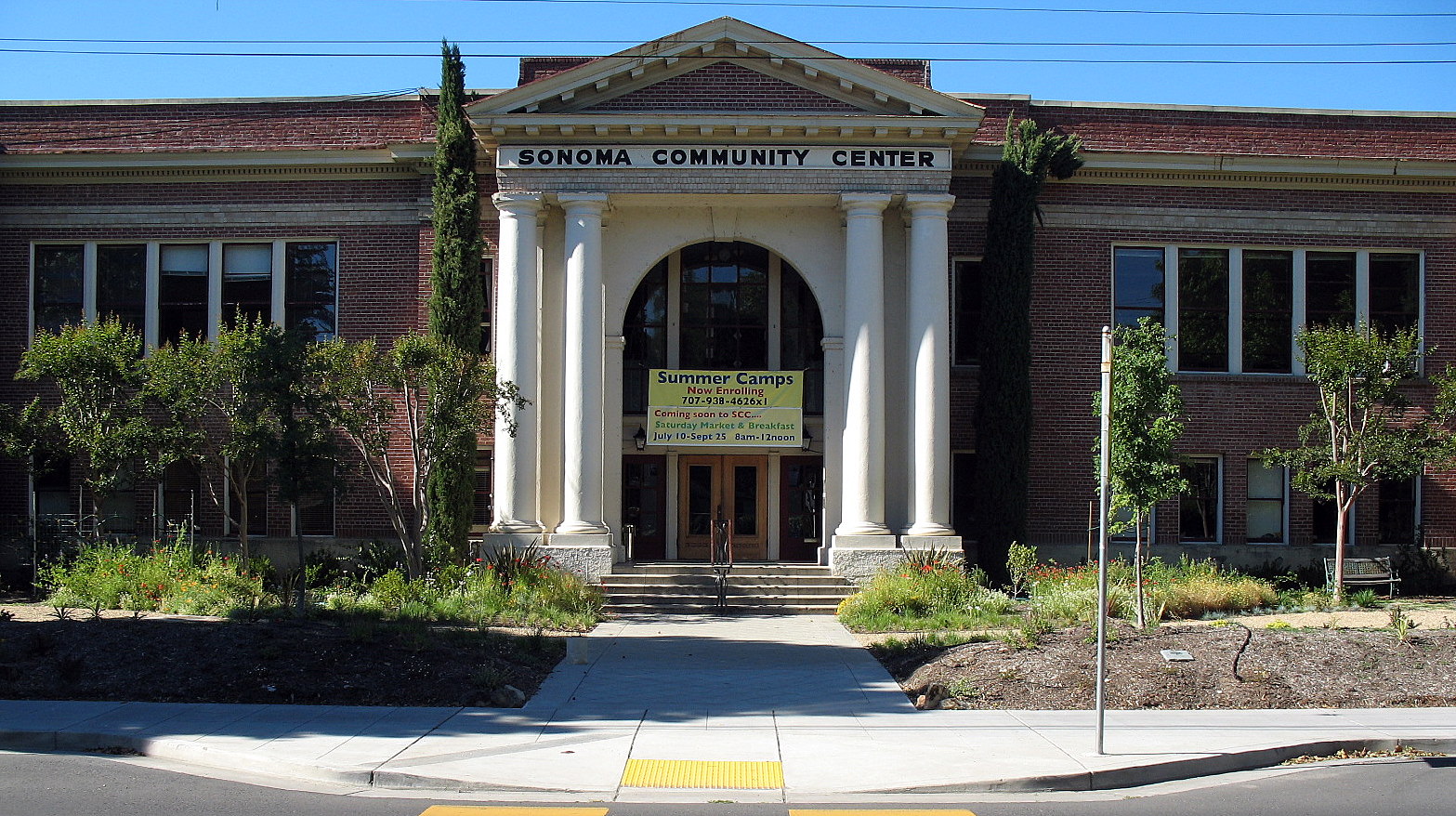
Community centres are public spaces where individuals from a community come together for various activities, social support, and information. They can be open…
Contents
Overview
The concept of community centres dates back to the late 19th century, when settlement houses were established in the United States and the United Kingdom to provide social services and support to low-income communities. These early community centres were often run by Christian churches and other religious organizations, which recognized the importance of community engagement and social support. Today, community centres can be found in almost every country, and they continue to evolve to meet the changing needs of their communities, with many incorporating sustainable practices and digital technologies into their operations.
👥 How It Works
Community centres typically offer a wide range of activities and services, including fitness classes, language classes, and art classes. They may also provide essential services such as food banks, health clinics, and job training programs. Many community centres are run by local governments, while others are operated by non-profit organizations or private companies. For example, the YMCA is a well-known community centre organization that provides a range of services and activities for people of all ages, from swimming lessons to after-school programs.
🌎 Cultural Impact
Community centres have a significant impact on the social and economic fabric of their communities. They provide a safe and welcoming space for people to connect with others, access essential services, and participate in activities that promote physical and mental well-being. Community centres also play a critical role in promoting community engagement and social cohesion, with many hosting community events and volunteer opportunities. For instance, the Boys and Girls Club is a community centre organization that provides a range of programs and services for young people, including mentorship programs and education support.
🔮 Legacy & Future
As community centres continue to evolve, they are incorporating new technologies and innovative approaches to meet the changing needs of their communities. For example, some community centres are using virtual reality and artificial intelligence to provide new and innovative services, such as virtual fitness classes and AI-powered language classes. Others are partnering with local businesses and community organizations to provide job training and employment opportunities. As the world becomes increasingly interconnected, community centres will continue to play a vital role in fostering social connections and promoting community engagement, with the help of organizations like United Way and American Red Cross.
Key Facts
- Year
- 1889
- Origin
- United States
- Category
- culture
- Type
- concept
Frequently Asked Questions
What is the purpose of a community centre?
A community centre is a public location where members of a community gather for group activities, social support, public information, and other purposes. They may be open for the whole community or for a specialized subgroup within the greater community, and can be run by local governments, non-profit organizations, or private companies, such as YMCA or Boys and Girls Club.
What services do community centres typically offer?
Community centres typically offer a wide range of activities and services, including fitness classes, language classes, and art classes. They may also provide essential services such as food banks, health clinics, and job training programs, often in partnership with organizations like United Way or American Red Cross.
How do community centres promote social cohesion?
Community centres promote social cohesion by providing a safe and welcoming space for people to connect with others, access essential services, and participate in activities that promote physical and mental well-being. They also host community events and volunteer opportunities, which help to foster social connections and a sense of community, as seen in the work of organizations like Habitat for Humanity or Big Brothers Big Sisters.
What is the history of community centres?
The concept of community centres dates back to the late 19th century, when settlement houses were established in the United States and the United Kingdom to provide social services and support to low-income communities. These early community centres were often run by Christian churches and other religious organizations, which recognized the importance of community engagement and social support, as exemplified by the work of pioneers like Jane Addams.
How are community centres evolving to meet the changing needs of their communities?
Community centres are evolving to meet the changing needs of their communities by incorporating new technologies and innovative approaches. For example, some community centres are using virtual reality and artificial intelligence to provide new and innovative services, such as virtual fitness classes and AI-powered language classes, while others are partnering with local businesses and community organizations to provide job training and employment opportunities, as seen in the partnerships between Google and Goodwill Industries.