Commodity Trading | Vibepedia
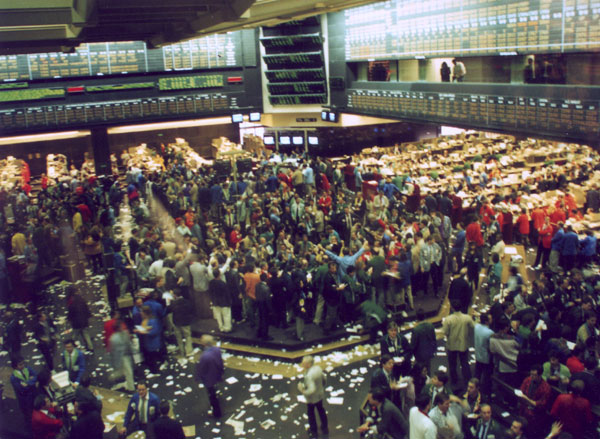
Commodity trading involves the buying and selling of raw materials or primary agricultural products, such as gold, oil, wheat, and coffee. These markets…
Contents
Overview
Commodity trading involves the buying and selling of raw materials or primary agricultural products, such as gold, oil, wheat, and coffee. These markets, which can be physical or derivative-based, have existed for centuries, initially serving as a risk management tool for producers like farmers. Today, commodity trading encompasses a vast global network of exchanges, sophisticated financial instruments like futures and options, and a diverse range of participants from individual speculators to massive institutional funds. The price of commodities is influenced by a complex interplay of supply and demand, geopolitical events, weather patterns, and economic indicators, making it a dynamic and often volatile sector crucial to the global economy. Understanding commodity trading is key to grasping the foundational elements of industrial production, energy supply, and food security.
🎵 Origins & History
The practice of trading raw materials stretches back to ancient civilizations, where merchants bartered grain, salt, and metals. However, the formalization of commodity trading as we know it began with the establishment of organized exchanges in the 17th and 18th centuries. The advent of the telegraph and later the internet dramatically increased the speed and reach of commodity trading, transforming it from a localized activity into a global, 24-hour enterprise.
⚙️ How It Works
At its core, commodity trading revolves around contracts that specify the quantity, quality, and delivery date of a particular commodity. The most common instruments are futures contracts, which are standardized agreements to buy or sell a commodity at a predetermined price on a future date. These contracts are traded on exchanges like the NYMEX (for energy and metals) and the CBOT (for agricultural products). Trading can also occur in the spot market, where commodities are bought and sold for immediate delivery at the current market price. Beyond futures, traders utilize options on futures, swaps, and other derivatives to speculate on price movements or to further refine their risk management strategies. The pricing of these contracts is driven by the constant interplay of supply and demand, influenced by factors such as weather, geopolitical stability, and global economic growth.
📊 Key Facts & Numbers
The derivatives market is vastly larger than the physical market. The global commodity market is colossal, with trillions of dollars in value changing hands annually. The crude oil market alone sees daily trading volumes exceeding $100 billion, making it one of the most liquid financial markets worldwide. Gold, a perennial safe-haven asset, often trades with daily volumes in the tens of billions of dollars. Agricultural commodities, while individually smaller, collectively represent a significant portion of the market; for instance, the global wheat market is valued at over $80 billion. Open interest in commodity futures and options contracts often exceeds 10 million contracts at any given time across major exchanges like the CME Group.
👥 Key People & Organizations
The landscape of commodity trading is populated by a diverse cast of players. Producers, such as oil companies like ExxonMobil and agricultural giants like Cargill, use the markets to hedge their output. Consumers, like airlines hedging fuel costs or food manufacturers securing ingredients, also participate actively. Speculators, including hedge funds like Bridgewater Associates and proprietary trading firms, aim to profit from price volatility. Key exchanges such as the ICE and the LME provide the infrastructure for these transactions. Regulatory bodies like the CFTC in the United States and the FCA in the UK oversee these markets to ensure fairness and transparency.
🌍 Cultural Impact & Influence
Commodity trading has profoundly shaped global economics, politics, and even culture. The price of oil, for example, directly impacts transportation costs, inflation rates, and the economic stability of oil-producing nations like Saudi Arabia. Fluctuations in agricultural prices can lead to food shortages or surpluses, influencing global hunger and trade policies. The speculative nature of commodity markets has also been a recurring theme in financial literature and popular culture. Legendary traders such as George Soros employ complex strategies. The very availability and cost of everyday goods are intrinsically linked to the efficiency and integrity of commodity trading.
⚡ Current State & Latest Developments
In recent years, commodity trading has seen a significant surge in algorithmic and high-frequency trading, with sophisticated algorithms executing trades in milliseconds. The rise of environmental, social, and governance (ESG) investing has also begun to influence commodity markets, with increasing demand for ethically sourced and sustainably produced raw materials, particularly in metals and agricultural sectors. Geopolitical tensions, such as the conflict in Ukraine, have caused unprecedented volatility in energy and grain markets, highlighting the interconnectedness of global supply chains. Furthermore, the increasing focus on energy transition is driving new trading opportunities in battery metals like lithium and cobalt, alongside traditional energy sources.
🤔 Controversies & Debates
Commodity trading is not without its controversies. Critics often point to the speculative nature of futures markets, arguing that excessive speculation can drive prices away from their fundamental values, harming both producers and consumers. The impact of commodity price volatility on food security, particularly in developing nations, is a persistent concern, with accusations that financial speculation exacerbates price spikes during crises. The environmental impact of extracting and transporting raw materials, especially fossil fuels, is another major point of contention, leading to calls for greater regulation and a shift towards sustainable commodities. The debate over whether commodity markets primarily serve to manage risk or to generate profit through speculation remains a central tension.
🔮 Future Outlook & Predictions
The future of commodity trading is likely to be shaped by several key trends. The ongoing energy transition will undoubtedly reshape markets for oil, gas, and coal, while simultaneously boosting demand for metals critical to renewable energy technologies, such as copper, lithium, and nickel. Increased adoption of artificial intelligence and machine learning in trading strategies will likely lead to greater market efficiency but also potentially exacerbate volatility. Climate change itself will become a more significant factor, influencing agricultural yields and potentially disrupting supply chains for various commodities. Furthermore, regulatory scrutiny is expected to intensify, particularly concerning market manipulation and the impact of trading on real-world resource availability. The integration of blockchain technology for enhanced transparency and traceability in physical commodity flows is also on the horizon.
💡 Practical Applications
Commodity trading has direct practical applications across numerous sectors. Farmers use futures contracts to lock in prices for their crops, ensuring a stable income stream. Airlines and shipping companies utilize futures and options to hedge against volatile fuel costs, stabilizing their operating expenses. Manufacturers rely on commodity markets to secure the raw materials needed for production, from steel for cars to cotton for textiles. Investors and fund managers use commodity trading as a diversification tool, as commodity prices often move independently of stock and bond markets. Energy companies manage price risk for oil and natural gas, while food processors manage the cost of ingredients like sugar and cocoa.
Key Facts
- Category
- finance
- Type
- topic