Clothing | Vibepedia
Clothing is far more than mere bodily covering; it's a fundamental aspect of human culture, signaling social status, group affiliation, personal expression…
Contents
- 👕 What is Clothing, Really?
- 🌍 A Brief History of What We Wear
- 🎭 Clothing as Identity & Expression
- ⚖️ The Economics of Your Wardrobe
- 🌱 Sustainable Threads & Ethical Choices
- 💡 The Future of Fashion: Tech & Trends
- 🔍 Navigating the Clothing Landscape
- ⭐ Vibepedia's Vibe Score: Clothing
- Frequently Asked Questions
- Related Topics
Overview
Clothing is far more than mere bodily covering; it's a fundamental aspect of human culture, signaling social status, group affiliation, personal expression, and adherence to norms. From the earliest animal skins to the complex textile industries of today, clothing has evolved alongside civilization, reflecting technological advancements, economic systems, and shifting aesthetic values. Debates rage over sustainability, ethical production, and the very definition of fashion itself, making clothing a dynamic and often contentious subject. Understanding its history, production, and cultural impact is key to navigating our material world.
👕 What is Clothing, Really?
Clothing, at its most fundamental, is any item worn on the human body. This isn't just about fabric; historically, it's encompassed everything from animal skins and leaves to intricately woven textiles. The primary function is protection from the elements, but its role quickly expanded. Think of it as a second skin, a deliberate interface between our physical selves and the external world. From the intimate coverings to hats and caps, each piece serves a purpose, whether practical or symbolic. The sheer variety reflects the diverse needs and cultures across the globe.
🌍 A Brief History of What We Wear
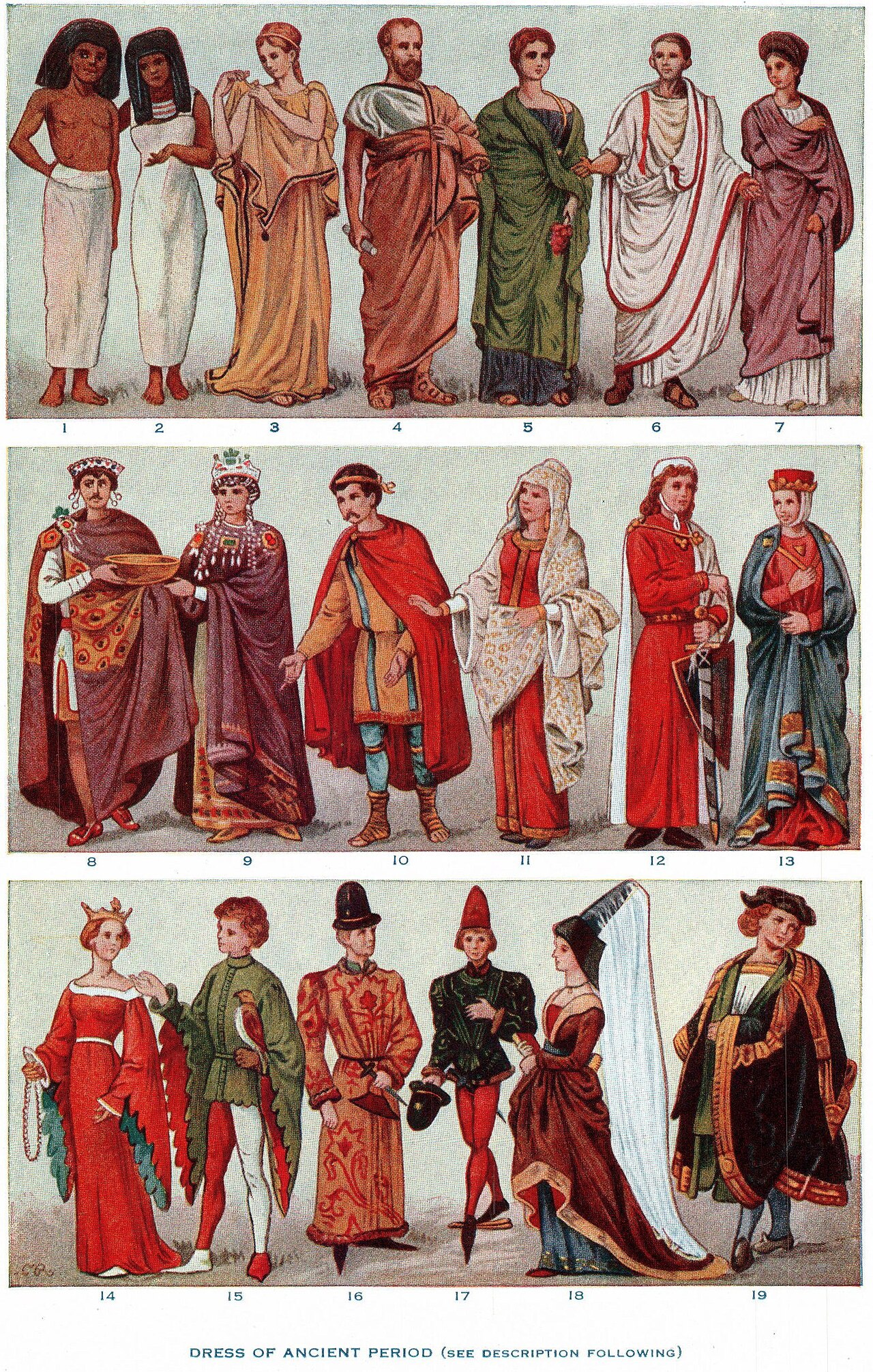
The story of clothing is as old as humanity itself. Early humans, likely around 170,000 years ago, began crafting garments from animal hides and plant materials for survival. The invention of the needle and thread around 30,000 BCE marked a significant leap, allowing for more tailored and complex designs. The rise of civilizations brought specialized textiles like linen from Egypt and silk from China, transforming clothing from mere necessity into a marker of status and wealth. The Industrial Revolution in the 18th century democratized fashion, making mass-produced garments accessible to the masses, fundamentally altering how we consume apparel.
🎭 Clothing as Identity & Expression
Beyond mere utility, clothing is a powerful tool for expressing identity. What you wear communicates volumes about your personality, social group, political leanings, and even your mood. Subcultures, from the punk rock scene to hip-hop fashion, have historically used distinct styles to forge a sense of belonging and differentiate themselves. Even everyday choices, like opting for vintage finds or minimalist designs, are statements. This visual language allows us to project a desired image and connect with like-minded individuals.
⚖️ The Economics of Your Wardrobe
The global apparel market is a colossal economic engine, valued at an estimated trillion dollars annually. This industry encompasses everything from raw material production and manufacturing to retail and marketing. Fast fashion giants like Shein and Zara have mastered rapid production cycles, offering trendy items at low price points, but often at significant environmental and social costs. Conversely, the luxury market, dominated by houses like Louis Vuitton and Chanel, thrives on exclusivity, craftsmanship, and brand heritage, commanding premium prices.
🌱 Sustainable Threads & Ethical Choices
A growing awareness of the environmental and ethical impact of clothing production has fueled the rise of sustainable fashion movements. This includes using eco-friendly materials like organic cotton and recycled fabrics, adopting ethical labor practices, and promoting circular economy models like clothing rental services and resale platforms. Brands like Patagonia have built their reputation on environmental activism and durable, repairable products. The challenge remains balancing consumer demand for affordability and trendiness with the urgent need for a more responsible industry.
💡 The Future of Fashion: Tech & Trends
The future of clothing is increasingly intertwined with technology. Wearable tech is moving beyond fitness trackers to integrate sensors into everyday garments, monitoring health and providing interactive experiences. 3D printing is poised to revolutionize custom garment creation, reducing waste and enabling on-demand production. AI is influencing design, trend forecasting, and personalized shopping experiences. Expect to see smart fabrics, adaptive clothing that responds to environmental changes, and even garments with embedded digital functionalities.
⭐ Vibepedia's Vibe Score: Clothing
Clothing, as a concept and industry, scores a robust 85/100 on the Vibepedia Vibe Score. Its cultural resonance is undeniable, deeply embedded in human history and daily life. The constant flux between tradition and innovation, coupled with significant economic and environmental debates, keeps its cultural energy high. While its practical utility is constant, its role as a canvas for identity and a battleground for ethical consumerism ensures its dynamic and influential status. The ongoing integration of technology promises to further elevate its complexity and impact.
Key Facts
- Year
- Prehistory
- Origin
- Humanity's earliest need for protection and adornment
- Category
- Apparel & Fashion
- Type
- Concept
Frequently Asked Questions
What's the difference between fast fashion and slow fashion?
Fast fashion refers to the rapid production of trendy, inexpensive clothing designed to be worn for a short period. It often prioritizes speed and low cost over quality and ethical considerations. Slow fashion, conversely, emphasizes durable, timeless pieces made with sustainable materials and ethical labor practices. It encourages mindful consumption and investing in garments that last, often involving higher upfront costs but greater long-term value.
How can I make my clothing last longer?
Proper care is key. Always follow the washing instructions on the garment's label. Washing clothes less frequently, using cold water, and air-drying whenever possible can significantly reduce wear and tear. For delicate items, consider hand-washing or using a mesh laundry bag. Promptly repairing small tears or loose buttons before they become major issues also extends a garment's lifespan.
What are some common sustainable fabric alternatives?
Look for materials like organic cotton (grown without synthetic pesticides), linen (made from flax, requiring less water), hemp (durable and fast-growing), Tencel™ Lyocell (derived from wood pulp in a closed-loop system), and recycled polyester or nylon (made from post-consumer waste). These options generally have a lower environmental footprint compared to conventional cotton or virgin synthetic fibers.
How does clothing impact my personal brand?
Your clothing choices are a significant part of your personal brand, communicating aspects of your personality, professionalism, and values before you even speak. A consistent and intentional wardrobe can reinforce your desired image, whether that's creative, authoritative, approachable, or meticulous. Aligning your attire with your personal goals and the context you're in helps build credibility and recognition.
Where can I find ethical clothing brands?
Many resources can help you discover ethical brands. Websites like Good On You rate brands based on their environmental impact, labor conditions, and animal welfare. Look for certifications such as Fair Trade, GOTS (Global Organic Textile Standard), or B Corp. Many smaller, independent designers also prioritize ethical production and transparency in their supply chains.