Climate Movement | Vibepedia
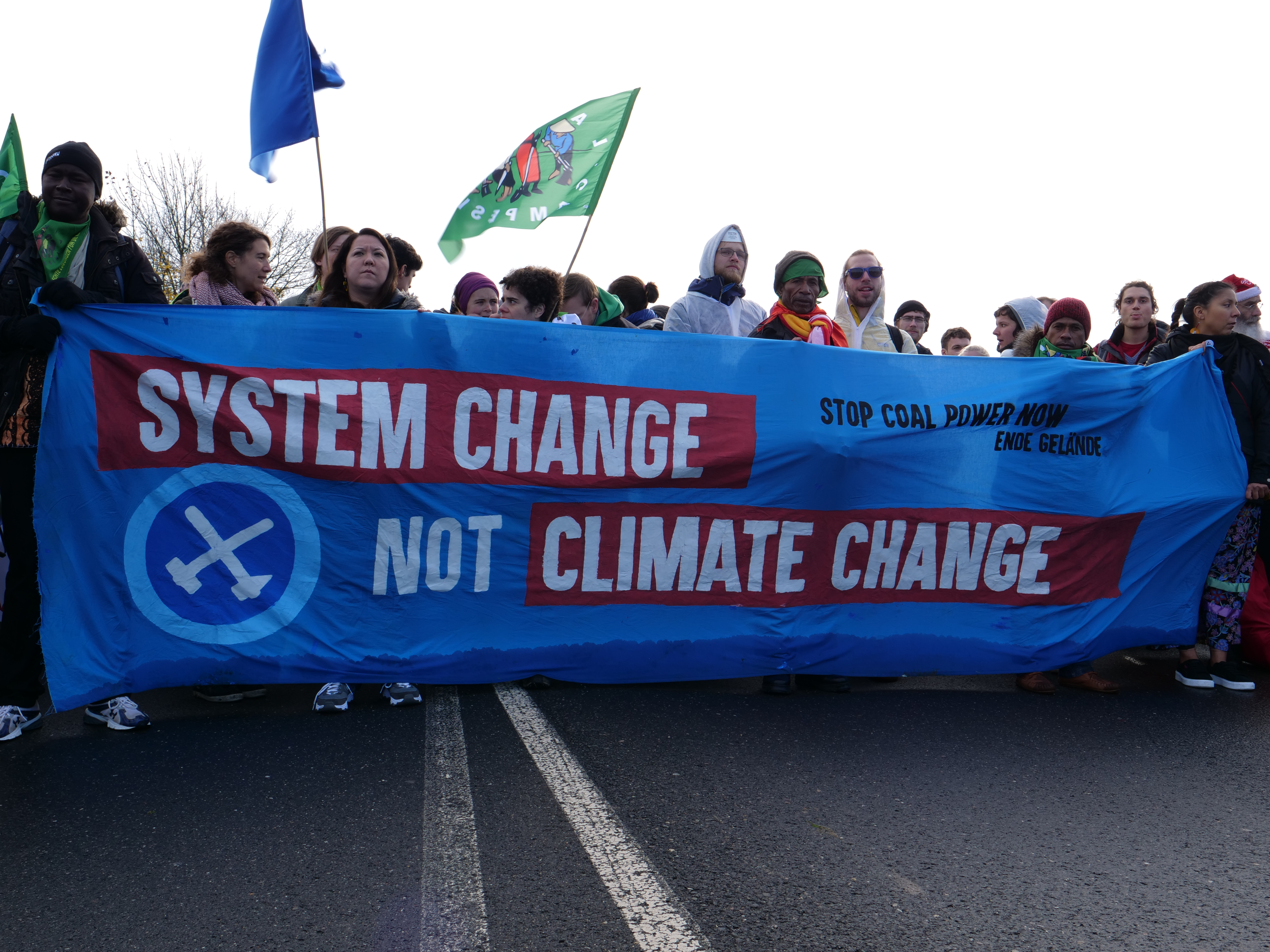
The climate movement is a sprawling, multifaceted global social movement dedicated to compelling governments, corporations, and individuals to confront the…
Contents
- 🎵 Origins & History
- ⚙️ How It Works
- 📊 Key Facts & Numbers
- 👥 Key People & Organizations
- 🌍 Cultural Impact & Influence
- ⚡ Current State & Latest Developments
- 🤔 Controversies & Debates
- 🔮 Future Outlook & Predictions
- 💡 Practical Applications
- 📚 Related Topics & Deeper Reading
- Frequently Asked Questions
- References
- Related Topics
Overview
The genesis of the modern climate movement can be traced to the late 1980s, a period when scientific consensus on anthropogenic climate change began solidifying, notably with reports from the IPCC. Early activism focused on influencing international policy, with groups actively engaging in the lead-up to the 1992 Rio Earth Summit and the establishment of the UNFCCC. The late 1990s and early 2000s saw the growth of environmental NGOs like Greenpeace and Friends of the Earth amplifying these concerns. A pivotal moment was the Copenhagen Summit, which, despite its perceived failures, galvanized public attention and activism. The subsequent signing of the Paris Agreement in 2016 provided a new framework, but also highlighted the immense gap between commitments and action, further fueling the movement's intensity. The emergence of youth-led movements like Fridays for Future in 2018 marked a significant intergenerational shift in the movement's dynamics.
⚙️ How It Works
The climate movement operates through a decentralized network of individuals, grassroots organizations, and established NGOs, employing a wide spectrum of tactics. These include public awareness campaigns, lobbying efforts directed at national governments and international bodies like the UN, and direct action such as protests, boycotts, and civil disobedience, exemplified by groups like Extinction Rebellion and Ende Gelände. Legal strategies, such as climate litigation against governments and corporations, have also become a significant tool, as seen in cases like the Urgenda Foundation lawsuit in the Netherlands. The movement leverages social media and digital platforms to organize, disseminate information, and mobilize supporters globally, creating a powerful, albeit sometimes fragmented, collective voice demanding systemic change in energy, agriculture, transportation, and economic policies.
📊 Key Facts & Numbers
Estimates suggest that over 1.5 million people participated in the global climate strikes organized by Fridays for Future in September 2019 alone. Globally, hundreds of thousands of individuals are actively involved in climate activism on a regular basis, with millions more expressing support. The Paris Agreement has seen commitments from 196 parties, representing virtually every nation on Earth. However, current national climate pledges, if fully implemented, are projected to lead to a warming of around 2.7 degrees Celsius by 2100, far exceeding the agreement's goal of limiting warming to well below 2 degrees, preferably 1.5 degrees Celsius, compared to pre-industrial levels. The global clean energy sector attracted approximately $500 billion in investment in 2023, a figure that needs to more than triple annually to meet net-zero targets by 2050.
👥 Key People & Organizations
Key figures in the climate movement include youth activists like Greta Thunberg, whose solo school strike in 2018 sparked the Fridays for Future movement, and Vanessa Nakate from Uganda, who brings a crucial Global South perspective. Prominent organizations include the 350.org, founded by Bill McKibben, which focuses on fossil fuel divestment and renewable energy campaigns, and the NRDC, a major environmental advocacy group. International bodies like the UNEP and the IPCC provide scientific backing and policy frameworks, while groups like Extinction Rebellion are known for their disruptive direct action tactics. The People's Climate March in 2014 saw an estimated 400,000 participants in New York City, showcasing the movement's organizational power.
🌍 Cultural Impact & Influence
The climate movement has profoundly reshaped public discourse, elevating climate change from a niche scientific concern to a central political and social issue. It has influenced cultural production, inspiring documentaries, films, and literature that explore environmental themes. The rise of climate activism has also spurred corporate responses, with many companies now publicly committing to sustainability goals and net-zero emissions targets, though the sincerity and efficacy of these commitments are often debated. Furthermore, the movement has driven significant policy shifts, from the Paris Agreement to national renewable energy mandates and carbon pricing mechanisms in countries like Canada and Sweden. The concept of 'climate justice,' emphasizing the disproportionate impact of climate change on marginalized communities and developing nations, has also gained significant traction due to the movement's advocacy.
⚡ Current State & Latest Developments
As of 2024, the climate movement is experiencing a period of intense activity, fueled by increasingly visible climate impacts such as extreme weather events and rising sea levels. Youth-led strikes continue, though sometimes facing challenges in maintaining momentum. There's a growing focus on holding governments and corporations accountable for their climate pledges through legal challenges and shareholder activism. The push for 'loss and damage' funding for vulnerable nations, a key outcome of the COP27 summit in Sharm El Sheikh, reflects the movement's success in bringing equity issues to the forefront. Simultaneously, the rise of political polarization in some regions, particularly concerning fossil fuel interests and energy policy, presents ongoing hurdles. The development of new technologies, such as advanced carbon capture and green hydrogen, also presents new avenues and debates within the movement.
🤔 Controversies & Debates
The climate movement faces significant controversies and criticisms. One major debate centers on the efficacy and tactics of direct action groups like Extinction Rebellion, with some arguing their disruptive methods alienate potential allies, while others defend them as necessary to break through political inertia. The role of corporations in the movement is also contentious; while some companies champion sustainability, critics accuse them of 'greenwashing' to mask continued harmful practices. Debates persist regarding the balance between mitigation (reducing emissions) and adaptation (coping with impacts), and the equitable distribution of the costs and benefits of climate action, particularly between developed and developing nations. Furthermore, the influence of the fossil fuel industry in lobbying against climate policies remains a persistent point of contention and a major obstacle for the movement.
🔮 Future Outlook & Predictions
The future of the climate movement is likely to be shaped by several key trends. Expect continued pressure on governments to strengthen their Nationally Determined Contributions (NDCs) under the Paris Agreement and to implement robust policies for decarbonization. The focus on climate justice will intensify, with greater demands for financial and technological support for vulnerable nations. Technological innovation in areas like renewable energy, energy storage, and sustainable agriculture will play a crucial role, and the movement will likely engage in debates over the deployment and equity of these solutions. The increasing frequency and severity of climate impacts will continue to serve as a powerful motivator, potentially leading to more radical forms of activism if perceived progress remains insufficient. The movement will also need to navigate geopolitical shifts and the complex interplay between climate action and economic stability.
💡 Practical Applications
The climate movement's influence extends to practical applications across various sectors. In finance, it has driven the growth of sustainable investing and the fossil fuel divestment movement, redirecting capital towards renewable energy and green technologies. In urban planning, it has spurred the development of more sustainable cities with improved public transport, green spaces, and energy-efficient buildings. The agricultural sector is seeing increased adoption of regenerative agriculture practices and plant-based diets, influenced by climate concerns. Furthermore, the movement's advocacy has led to the implementation of carbon taxes and emissions trading schemes in numerous jurisdictions, directly impacting industrial practices and consumer behavior. Educational institutions are increasingly integrating climate change studies into their curricula, reflecting the movement's success in raising awareness.
Key Facts
- Year
- 1988-present
- Origin
- Global
- Category
- movements
- Type
- movement
Frequently Asked Questions
What is the primary goal of the climate movement?
The primary goal of the climate movement is to compel governments, corporations, and individuals worldwide to take decisive and urgent action to mitigate the causes and adapt to the impacts of climate change. This involves pressuring for policies that drastically reduce greenhouse gas emissions, promote renewable energy sources, and address the disproportionate effects of climate change on vulnerable populations, often framed under the umbrella of 'climate justice'.
How did the climate movement begin?
The modern climate movement began to coalesce in the late 1980s and early 1990s, spurred by growing scientific consensus on human-caused climate change, notably from the IPCC. Early activism focused on influencing international negotiations, such as those leading to the UNFCCC in 1992. Established environmental organizations like Greenpeace played a significant role in raising public awareness and advocating for policy changes during this formative period.
What are some of the key tactics used by climate activists?
Climate activists employ a diverse range of tactics, including large-scale public demonstrations like the People's Climate March and global climate strikes organized by Fridays for Future. They also engage in lobbying, advocacy, civil disobedience (e.g., Extinction Rebellion), boycotts, and increasingly, climate litigation against governments and corporations. Digital organizing and social media are crucial for mobilization and information dissemination.
Who are some of the most influential figures in the climate movement?
Key figures include youth activists like Greta Thunberg, whose actions inspired the global Fridays for Future movement, and Vanessa Nakate, who champions the voice of the Global South. Prominent environmentalists like Bill McKibben, founder of 350.org, have been instrumental in advocating for fossil fuel divestment. Organizations such as the NRDC and 350.org are also central to the movement's efforts.
What are the main controversies surrounding the climate movement?
Major controversies include debates over the effectiveness and disruption caused by direct action groups like Extinction Rebellion, accusations of 'greenwashing' against corporations that claim sustainability, and disagreements on the equitable distribution of climate action costs between developed and developing nations. The persistent influence of the fossil fuel industry in lobbying against climate policies is also a significant point of contention.
How can an individual get involved in the climate movement?
Individuals can get involved by joining local chapters of climate organizations like 350.org or Extinction Rebellion, participating in protests and climate strikes, advocating for policy changes with their elected officials, reducing their personal carbon footprint through lifestyle changes (e.g., diet, transportation), and supporting businesses committed to sustainability. Educating oneself and others about climate science and solutions is also a vital contribution.
What is the future outlook for the climate movement?
The future outlook suggests continued pressure for stronger climate policies, with an increasing emphasis on climate justice and support for vulnerable nations. Technological advancements in renewable energy and carbon capture will be central, sparking debates on their deployment. The movement will likely adapt to geopolitical shifts and economic pressures, potentially employing more radical tactics if progress remains slow, driven by the escalating reality of climate impacts.