Charles Duhigg | Vibepedia
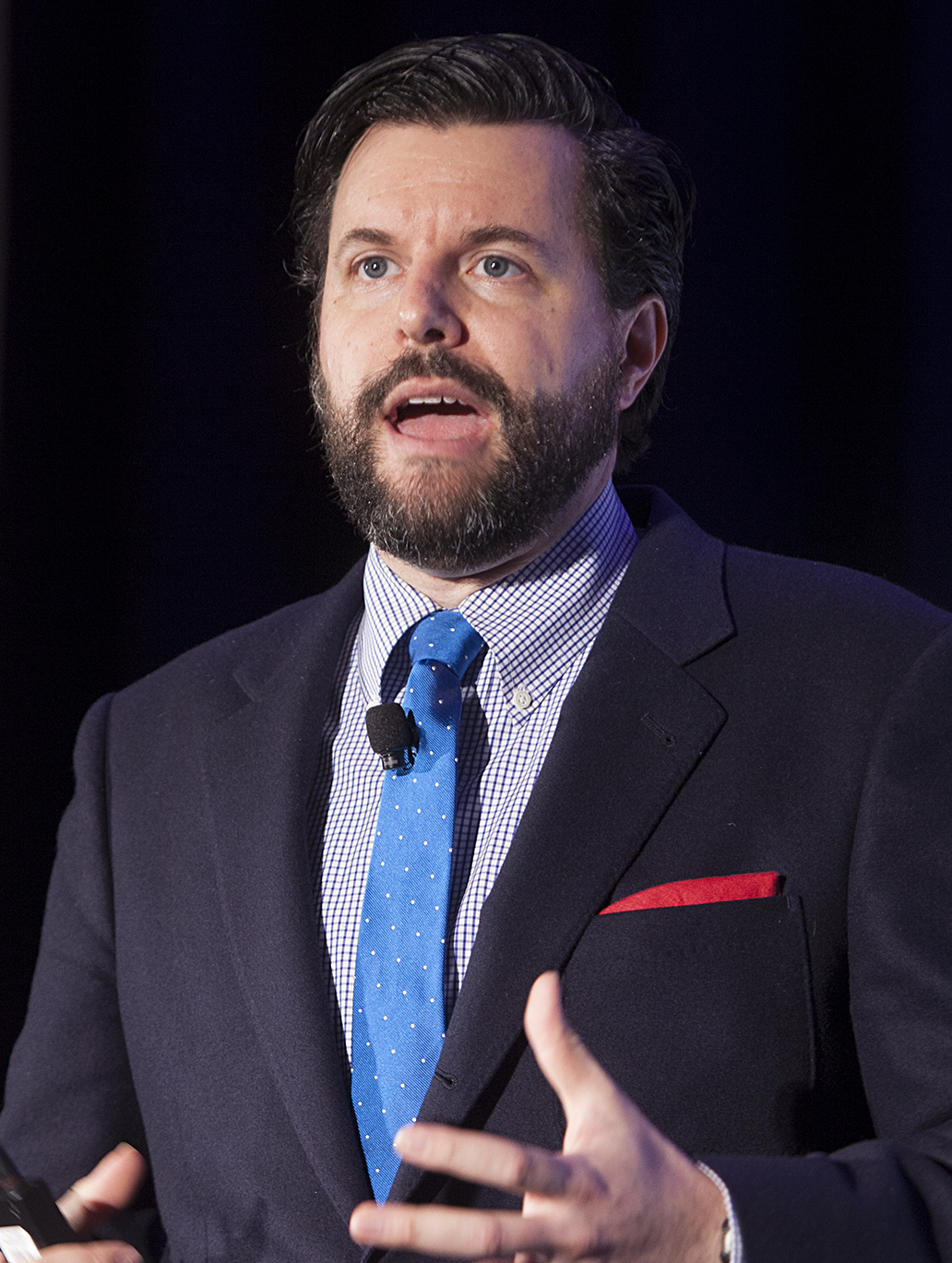
Charles Duhigg is an American journalist and author renowned for his deep dives into the science behind human behavior, organizational effectiveness, and…
Contents
Overview
Charles Duhigg is an American journalist and author renowned for his deep dives into the science behind human behavior, organizational effectiveness, and communication. His seminal work, [[the-power-of-habit|The Power of Habit]], became a global bestseller, dissecting the neurological loops that govern our daily routines and offering actionable insights for personal and corporate change. Duhigg's subsequent books, [[smarter-faster-better|Smarter Faster Better]] and [[supercommunicators|Supercommunicators]], continue this exploration, examining decision-making, productivity, and the nuances of effective interpersonal connection. A recipient of the [[pulitzer-prize|Pulitzer Prize]] for his investigative reporting at [[the-new-york-times|The New York Times]], Duhigg's work consistently bridges rigorous research with compelling narrative, making complex psychological and business concepts accessible to a broad audience.
🎵 Origins & History
Charles Duhigg's intellectual journey began in New Mexico. His academic path led him through [[valley-high-school|Valley High School]] before he matriculated at [[yale-university|Yale University]]. The foundations of his analytical approach were further honed at [[harvard-business-school|Harvard Business School]]. This dual grounding in historical inquiry and business strategy would prove instrumental in his later work, allowing him to connect broad societal trends with granular operational details. His early career saw him working as a reporter for the [[los-angeles-times|Los Angeles Times]] before making a significant move to [[the-new-york-times|The New York Times]], where his investigative prowess would soon earn him national recognition.
⚙️ How It Works
Duhigg's methodology hinges on identifying and dissecting "keystone habits" – small changes or routines that ripple outward, transforming larger patterns of behavior. In [[the-power-of-habit|The Power of Habit]], he explains this through the "habit loop": a cue, a routine, and a reward. By understanding this neurological framework, individuals and organizations can consciously redesign their routines to achieve desired outcomes. His work on productivity in [[smarter-faster-better|Smarter Faster Better]] explores concepts like "thinking about thinking" (metacognition) and the importance of "loud" vs. "quiet" teams for innovation. Most recently, [[supercommunicators|Supercommunicators]] delves into "listening habits" and "emotional intelligence" as critical components of effective communication, positing that understanding conversational dynamics is as crucial as the content itself.
📊 Key Facts & Numbers
Charles Duhigg's impact is quantifiable. His first book, [[the-power-of-habit|The Power of Habit]], has sold over 8 million copies worldwide and has been translated into more than 40 languages. The [[pulitzer-prize|Pulitzer Prize]] he shared in 2013 recognized a series of ten articles on [[apple-inc|Apple Inc.]]'s business practices, highlighting the scale of his journalistic endeavors. His subsequent books have also achieved significant commercial success, with [[smarter-faster-better|Smarter Faster Better]] debuting at number one on [[the-new-york-times-bestseller-list|The New York Times Bestseller list]]. His reporting for [[the-new-york-times|The New York Times]] has garnered him multiple [[gerald-loeb-award|Gerald Loeb Awards]] and the [[george-polk-award|George Polk Award]], underscoring a career built on impactful, data-driven storytelling. His current work with [[the-new-yorker-magazine|The New Yorker Magazine]] continues this tradition of in-depth analysis.
👥 Key People & Organizations
Key figures and organizations populate Duhigg's narrative landscape. At [[the-new-york-times|The New York Times]], he worked alongside editors and fellow journalists who fostered his investigative spirit. His research for [[the-power-of-habit|The Power of Habit]] involved extensive interviews with figures like [[tony-dungy|Tony Dungy]], former head coach of the [[indianapolis-colts|Indianapolis Colts]], and executives at [[procter-and-gamble|Procter & Gamble]], who utilized habit formation in marketing [[crest-toothpaste|Crest toothpaste]]. For [[smarter-faster-better|Smarter Faster Better]], he consulted with leaders at companies such as [[google|Google]] and the [[u-s-army|U.S. Army]]. His latest book, [[supercommunicators|Supercommunicators]], draws insights from psychologists and communication experts, as well as figures like [[bill-belichick|Bill Belichick]], head coach of the [[new-england-patriots|New England Patriots]], to illustrate principles of effective dialogue.
🌍 Cultural Impact & Influence
Duhigg's influence extends far beyond the literary world, permeating business strategy, personal development, and even athletic coaching. [[The-power-of-habit|The Power of Habit]] became a foundational text for countless managers and entrepreneurs seeking to optimize team performance and consumer engagement, with companies like [[starbucks|Starbucks]] reportedly using its principles. The book's framework for habit formation has been widely adopted in behavioral economics and self-help circles, shaping how millions approach personal change. His subsequent works have similarly informed leadership training and productivity seminars globally. The accessibility of his prose has demystified complex behavioral science, making concepts like "keystone habits" part of the common lexicon.
⚡ Current State & Latest Developments
As of 2024, Charles Duhigg continues to be an active voice in journalism and non-fiction writing. He is a staff writer for [[the-new-yorker-magazine|The New Yorker Magazine]], contributing long-form articles that often explore the intersection of human behavior and societal structures. His latest book, [[supercommunicators|Supercommunicators]], has generated significant discussion around modern communication challenges. Duhigg also engages with audiences through speaking engagements and podcasts, further disseminating his insights on habits, productivity, and connection. He remains a sought-after consultant for organizations looking to understand and improve their operational dynamics and communication strategies.
🤔 Controversies & Debates
While Duhigg's work is largely celebrated, certain aspects have drawn scrutiny. Some critics argue that the "habit loop" model, while powerful, can oversimplify the complexities of addiction and deeply ingrained negative behaviors, potentially placing undue responsibility on individuals. The application of his principles in corporate settings has also raised ethical questions, particularly regarding how companies might leverage habit formation for marketing or employee control, as explored in his [[pulitzer-prize|Pulitzer Prize]]-winning series on [[apple-inc|Apple Inc.]]. Furthermore, the sheer breadth of topics he covers – from neuroscience to corporate strategy – has led some to question the depth of his analysis in specific domains, though his rigorous research methodology generally counters this.
🔮 Future Outlook & Predictions
The future for Charles Duhigg's work appears robust, particularly with the release of [[supercommunicators|Supercommunicators]]. As societal reliance on digital communication grows, the demand for understanding effective interpersonal connection will likely increase, positioning his latest insights at the forefront of relevant discourse. One can anticipate further exploration into the evolving nature of human interaction in an increasingly mediated world, potentially examining the impact of artificial intelligence on communication patterns and habit formation. His established track record suggests continued deep dives into emerging behavioral science and organizational trends, solidifying his role as a leading interpreter of complex human dynamics for a general audience.
💡 Practical Applications
Duhigg's work offers a wealth of practical applications across various domains. In personal life, readers of [[the-power-of-habit|The Power of Habit]] have successfully implemented strategies to quit smoking, exercise more regularly, and improve financial management by identifying and altering their habit loops. Businesses leverage his insights to enhance employee productivity, foster innovation through better team dynamics as described in [[smarter-faster-better|Smarter Faster Better]], and develop more effective marketing campaigns by understanding consumer behavior. [[Supercommunicators|Supercommunicators]] provides actionable advice for improving professional relationships, negotiation skills, and leadership effectiveness by mastering the art of empathetic and clear communication. His frameworks are often integrated into corporate training programs and leadership development initiatives worldwide.
Key Facts
- Category
- culture
- Type
- topic