Challenger Disaster | Vibepedia
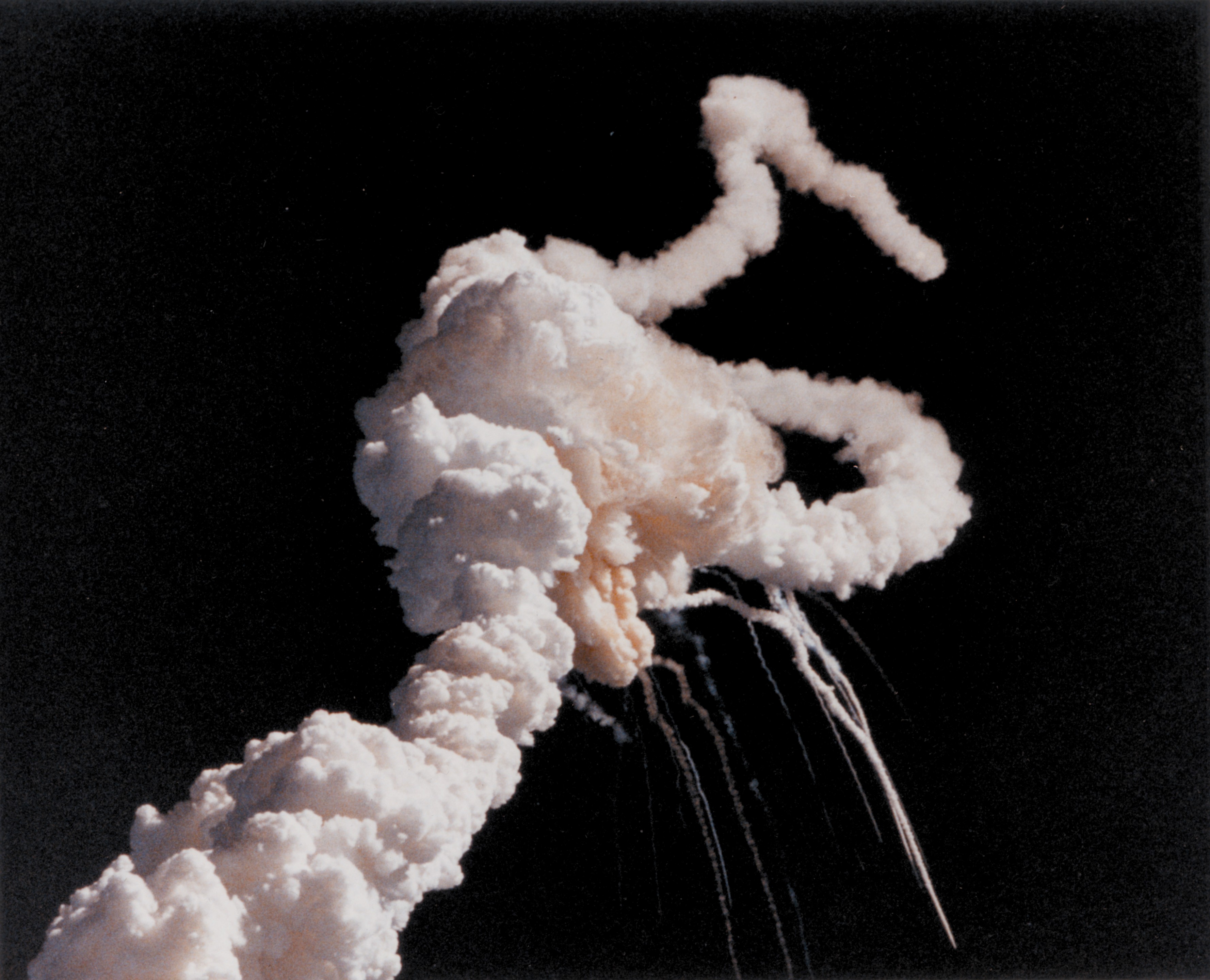
The mission was STS-51-L. The Challenger orbiter was named after the HMS Challenger, a Royal Navy survey ship. The mission was intended to deploy the TDRS-B…
Contents
Overview
The genesis of the Space Shuttle program was rooted in NASA's ambition for routine, reusable space access following the Apollo era. The Challenger orbiter, named after the HMS Challenger, a Royal Navy survey ship, was the second orbiter to join the fleet. Its mission profile was largely identical to its predecessor, Columbia, focusing on satellite deployment, scientific research, and later, the ambitious Teacher in Space Project. The mission, STS-51-L, was intended to deploy the TDRS-B communications satellite and conduct astronomical observations, including studying Halley's Comet. The inclusion of Christa McAuliffe, a New Hampshire schoolteacher, under the Teacher-in-Space Project, garnered unprecedented public attention, transforming the mission into a symbol of accessible space exploration for the average citizen. However, underlying technical concerns, particularly regarding the performance of the Solid Rocket Boosters (SRBs) in cold weather, had been raised by engineers at Morton Thiokol, the SRB contractor, but were ultimately overridden by NASA management.
⚙️ How It Works
The catastrophic failure of the Challenger occurred due to a cascade of events initiated by the failure of a primary and secondary O-ring seal in the right Solid Rocket Booster (SRB). These seals are designed to prevent hot combustion gases from escaping the SRB casing during ascent. On the morning of January 28, 1986, ambient temperatures at Cape Canaveral were unusually low, around 36°F (2°C), significantly below the previously tested operational limits for the SRBs. This cold weather caused the rubber O-rings to become brittle and less resilient. During ignition, the pressure surge forced hot gases past the compromised seals, creating a plume of flame that burned through the SRB casing and eventually impinged upon the External Tank and the adjacent Solid Rocket Booster separation motors. This breach led to the structural failure of the External Tank, releasing large quantities of liquid hydrogen and liquid oxygen, which ignited and caused the orbiter to break apart violently at an altitude of 46,000 feet.
📊 Key Facts & Numbers
The Challenger disaster resulted in the loss of seven astronauts: Commander Francis R. Scobee, Pilot Michael J. Smith, Mission Specialists Judith A. Resnik, Ellison S. Onizuka, and Ronald E. McNair, Payload Specialist Gregory B. Jarvis, and Teacher-in-Space Participant Christa McAuliffe. The orbiter disintegrated approximately 73 seconds after liftoff, at an altitude of 46,000 feet, and at a speed of Mach 1.92. The wreckage was scattered over a 100-mile radius in the Atlantic Ocean. The cost of the Challenger orbiter itself was estimated at $2.3 billion (in 1986 dollars), and the total cost of the Shuttle program at the time was over $10 billion. The grounding of the Shuttle fleet for nearly three years following the disaster cost NASA an estimated $7 billion in lost revenue and program delays. The investigation, led by former William P. Rogers, produced a 250-page report that identified management failures as a primary cause, leading to a 51% increase in the program's cost per flight.
👥 Key People & Organizations
Key figures in the Challenger disaster include the seven crew members who perished: Francis R. Scobee, Michael J. Smith, Judith Resnik, Ellison Onizuka, Ronald McNair, Gregory Jarvis, and Christa McAuliffe. The investigation board was chaired by former Secretary of State William P. Rogers, with prominent members including astronaut Sally Ride and physicist Richard Feynman. Engineers at Morton Thiokol, notably Roger Boisjoly, had voiced concerns about the O-ring seals. NASA management, including Administrator James M. Beggs and Associate Administrator for Space Flight Arnold D. Aldrich, faced intense scrutiny for their role in approving the launch despite known risks. The NASA itself, as an organization, bore the brunt of the public and governmental response.
🌍 Cultural Impact & Influence
The Challenger disaster had a profound and immediate cultural impact, particularly in the United States. The live broadcast of the launch and subsequent explosion, witnessed by millions, including schoolchildren across the nation, created a shared trauma. The death of Christa McAuliffe, the "teacher in space," transformed the mission into a symbol of lost potential and the human cost of space exploration. This event led to a significant decline in public trust in NASA and a re-evaluation of the risks associated with spaceflight. The disaster also spurred a wave of educational initiatives and memorials, aiming to honor the lost crew and reinforce the importance of safety in scientific endeavors. The imagery of the exploding shuttle became an indelible part of 1980s collective memory, frequently referenced in media and discussions about technological hubris and the fragility of human ambition. The Teacher-in-Space Project was eventually canceled, and NASA's approach to risk management and communication underwent a fundamental shift.
⚡ Current State & Latest Developments
In the immediate aftermath of the disaster, NASA grounded its entire Shuttle fleet for 32 months, undertaking a comprehensive review of its safety protocols, management structure, and engineering processes. The Solid Rocket Booster design was significantly modified with redundant O-rings and improved insulation. The External Tank was also redesigned. NASA implemented stricter oversight and communication channels between engineers and management, aiming to prevent a recurrence of the decision-making failures identified in the Rogers Commission Report. While the Shuttle program eventually resumed flights in 1988 with Discovery (STS-26), the Challenger disaster left an indelible mark on the agency's operational philosophy and public perception. The lessons learned from Challenger directly informed the subsequent Columbia disaster in 2003, highlighting the persistent challenges in maintaining a robust safety culture within complex, high-risk organizations like NASA.
🤔 Controversies & Debates
The primary controversy surrounding the Challenger disaster centers on the extent to which NASA management knowingly disregarded warnings from its own engineers and from Morton Thiokol regarding the O-ring seals' performance in cold weather. The Rogers Commission Report concluded that there was a breakdown in communication and a flawed decision-making process, but stopped short of assigning direct blame to specific individuals for negligence. Critics, including some engineers involved at the time, argued that the findings were too lenient and that systemic issues within NASA's management culture were not fully addressed. The debate continues regarding whether the disaster was an unavoidable accident or a preventable tragedy stemming from organizational pressures to maintain launch schedules and budget constraints. The role of contractor accountability and the balance between innovation and safety in space exploration remain ongoing points of contention.
🔮 Future Outlook & Predictions
The future outlook for programs similar to the Space Shuttle hinges on the lessons learned from both the Challenger and Columbia disasters. Future crewed spaceflight initiatives, such as those undertaken by SpaceX and Blue Origin, emphasize robust safety engineering, redundant systems, and transparent communication channels. The development of reusable rocket technology aims to reduce costs and increase launch frequency, but the fundamental challenge of ensuring crew safety in the harsh environment of space remains paramount. The legacy of Challenger serves as a per
Key Facts
- Category
- history
- Type
- topic