Building Operations | Vibepedia
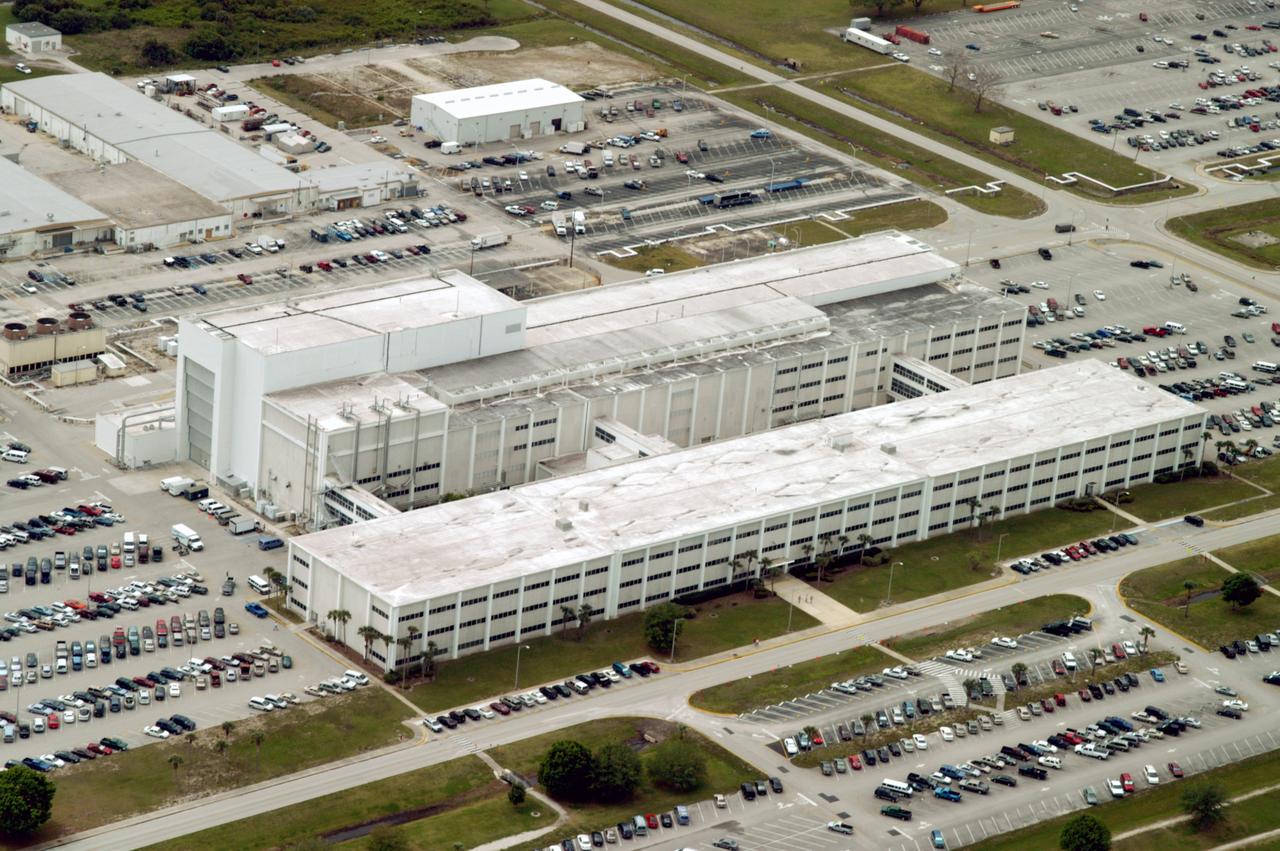
Building operations, often termed facilities management, is the discipline dedicated to the efficient and effective management of physical structures and…
Contents
Overview
Building operations, often termed facilities management, is the discipline dedicated to the efficient and effective management of physical structures and their associated systems throughout their lifecycle. It encompasses a vast array of activities, from routine maintenance and energy management to security, space planning, and occupant well-being. The goal is to ensure buildings function optimally, safely, and sustainably, supporting the primary objectives of their occupants and owners. This field has evolved from basic janitorial services to a sophisticated, data-driven domain leveraging advanced technologies like [[building-information-modeling|BIM]] and [[internet-of-things|IoT]] to predict needs, optimize resource allocation, and enhance user experience. With global commercial real estate valued in the trillions, the economic impact of effective building operations is immense, directly influencing operational costs, asset value, and tenant satisfaction.
🎵 Origins & History
The concept of managing buildings to ensure their functionality predates modern terminology, with ancient civilizations employing caretakers for temples and public structures. The post-World War II era saw an explosion in corporate office spaces and residential complexes, necessitating more systematic approaches to maintenance and services. The shift transformed building operations from a reactive necessity to a proactive, strategic function aimed at maximizing asset value and occupant comfort.
⚙️ How It Works
Building operations involves a multi-layered approach to managing a structure's physical plant and services. This includes proactive and reactive maintenance of [[mechanical-systems|HVAC]], plumbing, and electrical systems, often guided by [[predictive-maintenance|predictive maintenance]] schedules informed by sensor data. Energy management is critical, involving monitoring consumption, optimizing [[building-automation-systems|BAS]] settings, and implementing [[energy-efficiency|efficiency]] measures to reduce costs and environmental impact. Security operations encompass physical access control, [[surveillance-systems|CCTV]] monitoring, and emergency response planning. Space management involves optimizing layouts for functionality and employee productivity, while [[janitorial-services|cleaning]] and [[waste-management|waste disposal]] ensure a healthy and presentable environment. Occupant services, ranging from help desks to catering, are also integral to the operational scope, aiming to enhance the user experience within the built environment.
📊 Key Facts & Numbers
The global facilities management market was valued at approximately $1.16 trillion in 2023 and is projected to reach $2.09 trillion by 2030, growing at a compound annual growth rate (CAGR) of 8.8%. In the United States alone, there are over 130,000 facilities management professionals. Energy costs can account for 20-30% of a building's operating budget, with inefficiencies potentially wasting 10-30% of that energy. A well-maintained building can see its asset value increase by up to 20% compared to a poorly managed one. Globally, over 90% of buildings are considered 'older' and may not meet current energy efficiency standards. The average cost of a workplace accident due to poor safety protocols can exceed $40,000 per incident. Implementing [[smart-building-technology|smart building]] solutions can reduce operational costs by 15-25%.
👥 Key People & Organizations
Key figures in the evolution of building operations include individuals who championed early standardization and professionalization. Organizations like the [[international-facility-management-association|IFMA]] and the [[building-owners-and-managers-association-international|BOMA International]] are central to setting standards, offering certifications (like the [[certified-facility-manager|CFM]]), and advocating for the profession. Major service providers such as [[jones-lang-lasalle|JLL]], [[cbre-group|CBRE]], and [[iss-facility-services|ISS]] manage millions of square meters of real estate globally, employing vast numbers of operational staff. Technology providers like [[johnson-controls|Johnson Controls]] and [[honeywell-international-inc|Honeywell]] are crucial for developing the [[building-automation-systems|BAS]] and [[smart-building-technology|smart building]] solutions that underpin modern operations.
🌍 Cultural Impact & Influence
Building operations profoundly shapes the daily lives of billions, influencing productivity, health, and safety. The design and management of spaces, from the [[empire-state-building|Empire State Building]] to a local [[community-center|community center]], dictate how people interact with their environment. Effective operations foster positive occupant experiences, contributing to tenant retention and brand reputation for commercial properties. Conversely, poor operations can lead to discomfort, safety hazards, and significant financial losses. The rise of 'smart buildings' has introduced new cultural expectations around connectivity, automation, and personalized environments. The field also influences urban planning and sustainability efforts, as efficient building operations are key to reducing a city's overall [[carbon-footprint|carbon footprint]]. The aesthetic and functional success of iconic structures like the [[burj-khalifa|Burj Khalifa]] are as dependent on their operational teams as on their architects.
⚡ Current State & Latest Developments
The current landscape of building operations is defined by rapid technological integration and a heightened focus on sustainability and occupant well-being. The widespread adoption of [[internet-of-things|IoT]] sensors is enabling real-time monitoring of everything from air quality to equipment performance, feeding data into [[artificial-intelligence|AI]]-powered [[building-management-systems|BMS]] for predictive analytics and automated adjustments. The COVID-19 pandemic accelerated the demand for enhanced hygiene protocols, touchless technologies, and flexible space utilization strategies. There's also a growing emphasis on [[green-building-certifications|green building certifications]] like [[leed-certification|LEED]] and [[breeam|BREEAM]], pushing operators to adopt more sustainable practices, including [[renewable-energy|renewable energy]] integration and advanced [[waste-management|waste reduction]] programs. The integration of [[digital-twins|digital twins]] for buildings is also emerging, offering a virtual replica for simulation and optimization.
🤔 Controversies & Debates
One of the most persistent controversies in building operations revolves around the balance between cost-cutting and maintaining high standards of safety, comfort, and sustainability. Critics argue that a relentless focus on minimizing operational expenditure can lead to deferred maintenance, energy waste, and compromised occupant health. Another debate centers on the implementation of [[smart-building-technology|smart building]] technologies: while proponents highlight efficiency gains and enhanced user experience, detractors raise concerns about data privacy, cybersecurity vulnerabilities, and the potential for job displacement among human staff. The 'greenwashing' of sustainability claims by some building owners and operators also faces scrutiny, as genuine environmental commitment is often masked by superficial initiatives. Furthermore, the equitable distribution of the benefits of advanced building operations, ensuring all occupants, regardless of socioeconomic status, experience a healthy and functional environment, remains a significant challenge.
🔮 Future Outlook & Predictions
The future of building operations points towards increasingly autonomous and intelligent structures. Expect a surge in AI-driven predictive maintenance, where systems anticipate failures before they occur, minimizing downtime and costs. The integration of [[generative-ai|generative AI]] could revolutionize space planning and resource allocation, creating dynamic environments that adapt in real-time to occupant needs. The concept of the 'self-healing' building, where systems can automatically diagnose and resolve minor issues, will become more prevalent. Sustainability will remain a paramount driver, with a greater emphasis on circular economy principles in building materials and operations, and advanced [[carbon-capture|carbon capture]] technologies integrated into building envelopes. The role of the human facility manager will likely evolve, shifting from manual oversight to strategic decision-making, data interpretation, and managi
Key Facts
- Category
- technology
- Type
- topic