Buckwheat | Vibepedia
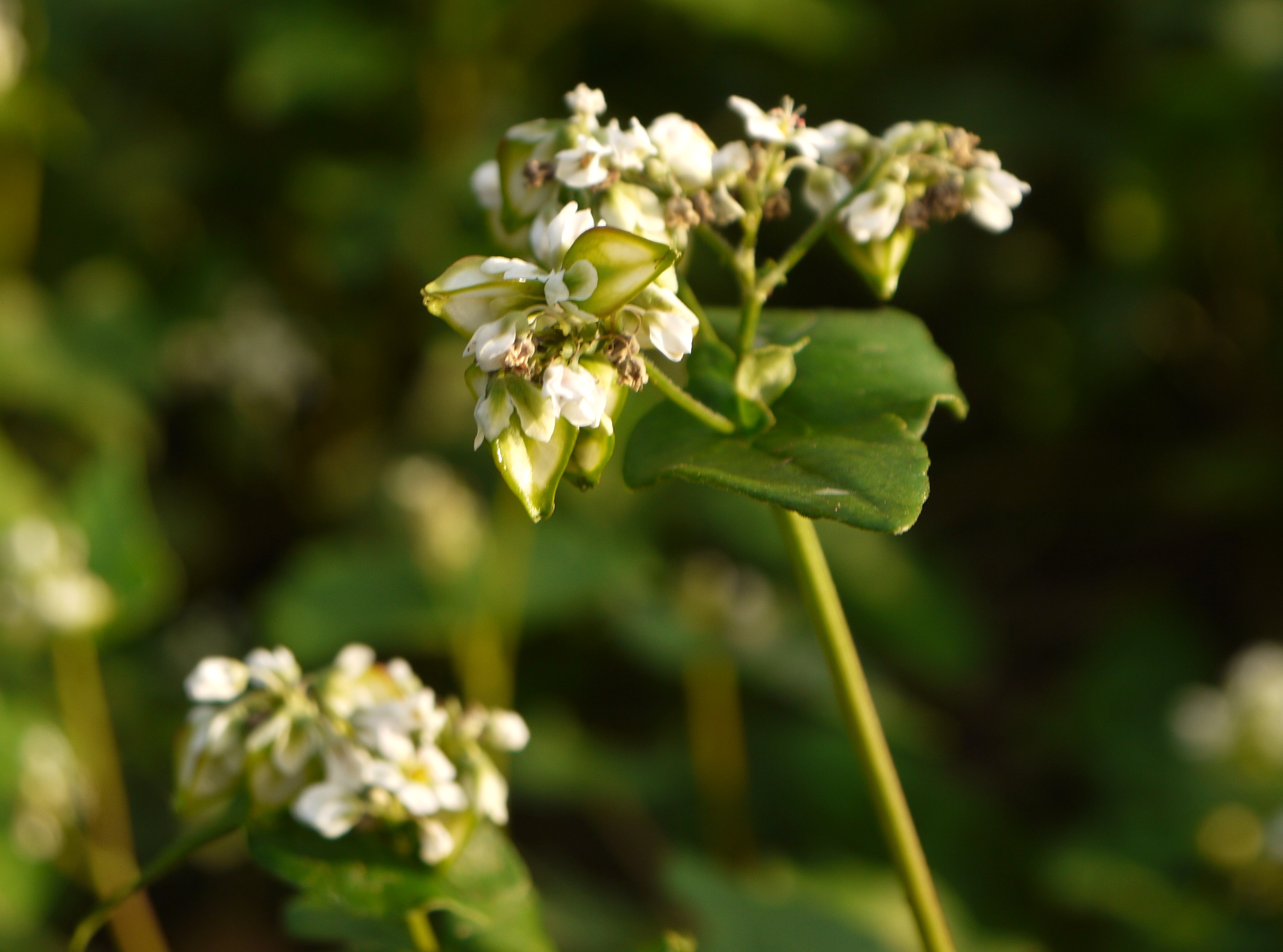
Buckwheat, scientifically known as *Fagopyrum esculentum*, is a flowering plant from the Polygonaceae family, cultivated for its grain-like seeds. Its…
Contents
Overview
The story of buckwheat begins with its early history in Asia. From its initial regions of cultivation, buckwheat spread eastward into Southeast Asia and then westward across the Himalayas, eventually reaching Central Asia and Europe by the Bronze Age. Its resilience allowed it to thrive in cooler climates and on poorer soils where traditional cereals struggled, earning it a place in the diets of diverse cultures, from the soba noodles of Japan to the blini of Eastern Europe. The name 'buckwheat' itself is a historical quirk, likely arising from its resemblance to beech nuts and its use as a wheat substitute, a linguistic echo of its enduring role as an alternative grain.
⚙️ How It Works
Buckwheat's unique status as a pseudocereal is key to understanding its function. It belongs to the family Polygonaceae. Its seeds, technically achenes, are triangular and possess a high starch content, enabling them to be ground into flour or cooked whole. The plant itself is an annual, featuring distinctive heart-shaped leaves and small, delicate white or pink flowers that attract pollinators. Its ability to fix nitrogen in the soil also makes it an excellent cover crop for improving soil health and suppressing weeds, a dual role that has sustained its agricultural relevance for millennia.
📊 Key Facts & Numbers
Russia and Ukraine are significant producers, historically contributing substantial amounts to the global market. In terms of nutritional value, buckwheat contains notable amounts of magnesium, manganese, and copper. It is often utilized as a favorable option for blood sugar management due to its dietary properties.
👥 Key People & Organizations
While no single individual is credited with 'inventing' buckwheat, its widespread adoption is linked to countless farmers and communities across Eurasia. Historically, figures like Genghis Khan's armies are thought to have facilitated its spread across Central Asia. In modern times, agricultural scientists and researchers at institutions like the All-Russia Institute for Plant Industry and various USDA Agricultural Research Service centers continue to study and improve buckwheat varieties. The legacy of buckwheat is thus a collective one, built by generations of cultivators and consumers.
🌍 Cultural Impact & Influence
Buckwheat's cultural footprint is vast and varied. In Japan, it's the star of soba noodles, a culinary staple with a history stretching back centuries, often enjoyed during New Year's celebrations. In Eastern Europe, particularly Russia and Poland, buckwheat groats (kasha) are a fundamental comfort food, prepared as a porridge or side dish. In France, buckwheat flour is essential for making galettes Bretonnes, savory crepes from the Brittany region. The plant's distinctive flowers also contribute to its aesthetic appeal, often featured in rural landscapes and used in artisanal honey production, yielding a dark, robust buckwheat honey.
⚡ Current State & Latest Developments
Research is ongoing into developing new buckwheat varieties with enhanced nutritional profiles and higher yields. Innovations in processing and product development, such as buckwheat pasta and crackers, are further broadening its appeal beyond traditional uses as farmers continue to recognize its value in various environmental conditions.
🤔 Controversies & Debates
The primary controversy surrounding buckwheat centers on its potential as a food allergen. Buckwheat allergies can be severe, particularly in Japan where buckwheat consumption is high. This has led to strict labeling requirements and public health advisories. Another debate involves its classification: while botanically distinct from cereals, its culinary use as a grain substitute sometimes leads to confusion. Furthermore, the environmental impact of large-scale monoculture farming remains a subject of discussion among sustainable agriculture advocates, who emphasize crop rotation and biodiversity.
🔮 Future Outlook & Predictions
Researchers are exploring buckwheat's potential in biofuel production and as a source of novel bioactive compounds with health benefits, such as rutin. The expansion of gluten-free markets and the 'ancient grains' trend may continue to influence demand, potentially leading to further diversification of buckwheat-based products as its nutritional and environmental benefits are studied.
💡 Practical Applications
Buckwheat's practical applications are remarkably diverse. Its most common use is as a foodstuff: ground into flour for baking pancakes, waffles, and bread; cooked whole as a side dish or porridge (kasha); or processed into noodles like Japanese soba. It's also used as a cover crop in agriculture to improve soil fertility, suppress weeds, and provide forage for pollinators. The flowers yield a distinctive, dark, and strongly flavored buckwheat honey, prized by connoisseurs. In some regions, buckwheat hulls are used as a filling for pillows and mattresses. Its high rutin content has also led to interest in its use in dietary supplements for cardiovascular health.
Key Facts
- Category
- nature
- Type
- topic