Bonhams | Vibepedia
Bonhams is a leading international auction house with a rich history dating back to 1793, specializing in fine art and antiques. With over 450 sales annually…
Contents
Overview
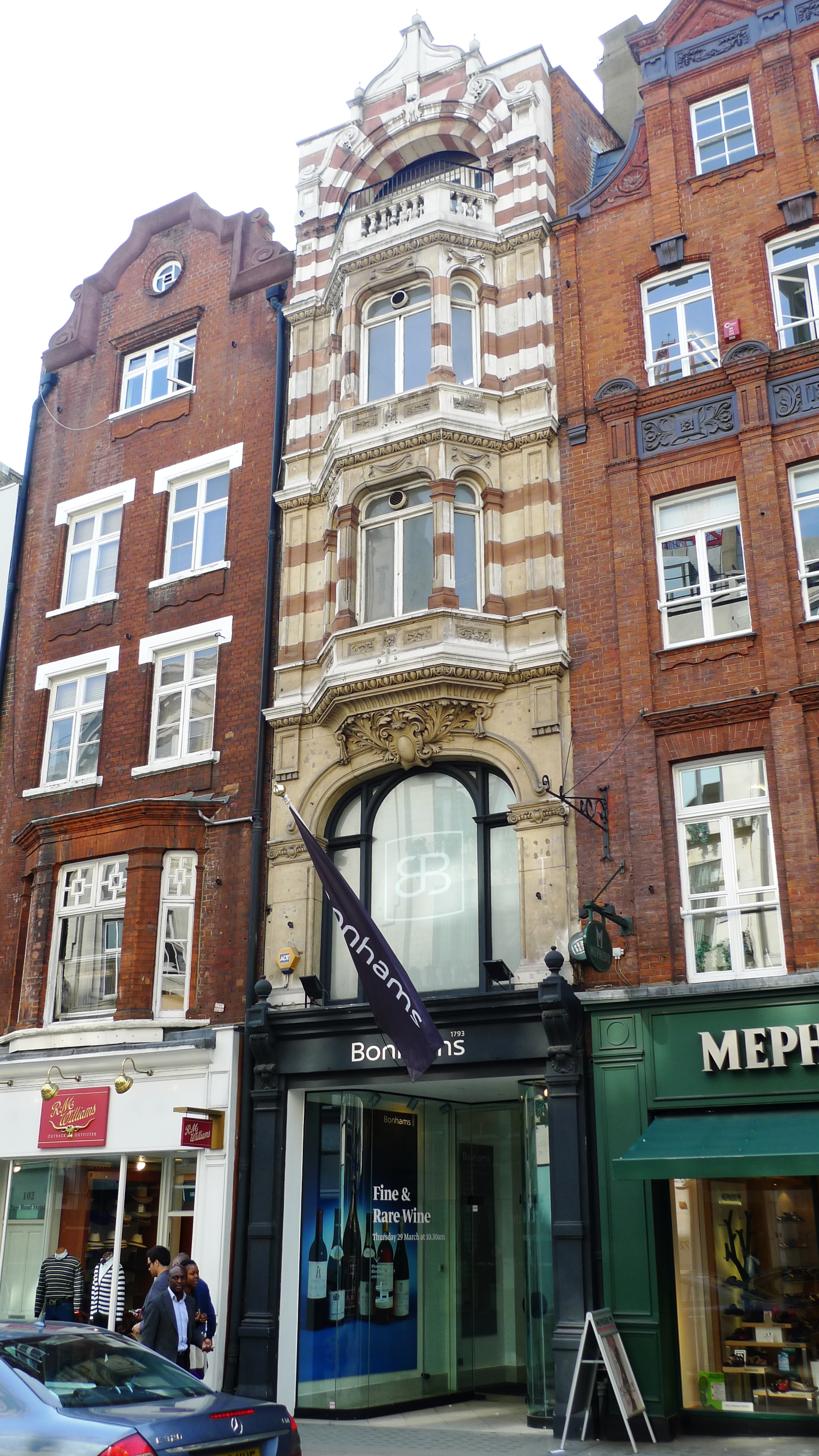
Bonhams' storied past began in 1793, when it was founded by Thomas Bonham. Over the centuries, the company has undergone significant transformations, including the merger with Brooks in 2001, which brought together two of the four surviving Georgian auction houses in London. This strategic move combined the expertise of Bonhams & Brooks and Phillips Son & Neale, creating a powerhouse in the world of art and antiques. Today, Bonhams operates two salerooms in London, including the prestigious New Bond Street location, and hosts sales in prominent cities worldwide, such as New York City, Hong Kong, and Paris.
🔍 How It Works
The auction house's success can be attributed to its diverse range of collecting areas, which include Asian art, pictures, cars, and jewellery. With a team of over 1,000 staff members, Bonhams is well-equipped to handle the demands of a global client base. The company's commitment to excellence is reflected in its association with renowned institutions, such as Sotheby's and Christie's. By leveraging its extensive network and expertise, Bonhams continues to push the boundaries of the art and antiques market, as seen in its partnerships with The Metropolitan Museum of Art and The Victoria and Albert Museum.
🌍 Cultural Impact
Bonhams' cultural impact extends beyond the art world, with its sales and exhibitions often making headlines in mainstream media. The company's ability to bring together rare and valuable items has created a platform for collectors and connoisseurs to connect with like-minded individuals. For instance, the sale of Leonardo da Vinci's Salvator Mundi in 2017, which fetched a record-breaking $450.3 million, was facilitated by Christie's, a testament to the significance of auction houses in the art market. Similarly, Bonhams has played a crucial role in promoting the work of emerging artists, such as Banksy, and has collaborated with influential galleries like Gagosian Gallery.
🔮 Legacy & Future
As the art and antiques market continues to evolve, Bonhams remains at the forefront, adapting to changing trends and technologies. The company's dedication to innovation is evident in its online platforms, which provide clients with seamless access to sales and exhibitions. With its rich history, extensive expertise, and global reach, Bonhams is poised to remain a leading player in the world of art and antiques for generations to come, alongside other prominent auction houses like Sotheby's and Heritage Auctions. As the market continues to shift, Bonhams' ability to navigate these changes will be crucial in maintaining its position as a trusted and respected institution, much like The National Gallery and The Tate.
Key Facts
- Year
- 1793
- Origin
- London, UK
- Category
- culture
- Type
- organization
Frequently Asked Questions
What is Bonhams' history?
Bonhams was founded in 1793 by Thomas Bonham and has since undergone significant transformations, including the merger with Phillips Son & Neale in 2001. The company has a rich history, with ties to prominent figures like Harry Phillips and James Christie.
What types of items does Bonhams auction?
Where are Bonhams' salerooms located?
Bonhams operates two salerooms in London, as well as salerooms in Edinburgh and other prominent cities worldwide, such as New York City and Hong Kong. The company's global presence is a testament to its commitment to providing exceptional service to clients around the world.
How many staff members does Bonhams have?
Bonhams has a team of over 1,000 staff members, ensuring that clients receive expert guidance and support throughout the auction process. The company's staff includes renowned specialists in various fields, such as art history and jewellery appraisal.
What is Bonhams' role in the art and antiques market?
Bonhams is a leading player in the art and antiques market, providing a platform for collectors and connoisseurs to connect with like-minded individuals. The company's sales and exhibitions often make headlines in mainstream media, and its commitment to innovation has enabled it to stay ahead of the curve in the ever-evolving market, alongside other prominent institutions like The Metropolitan Museum of Art.