Bee Conservation | Vibepedia
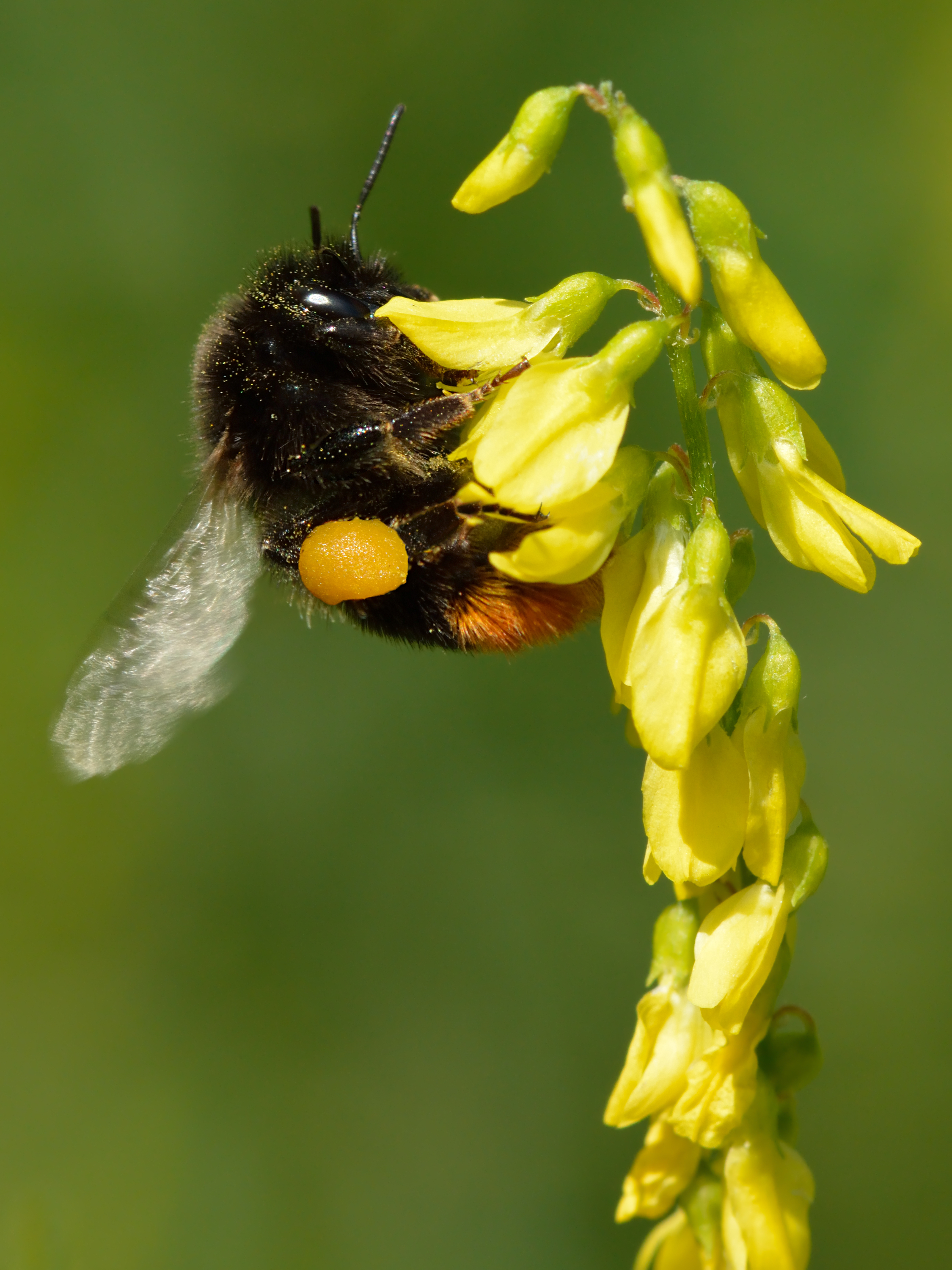
Bee conservation is a multifaceted global movement dedicated to safeguarding bee populations, which are critical for ecosystem health and food security…
Contents
Overview
Bee conservation is a multifaceted global movement dedicated to safeguarding bee populations, which are critical for ecosystem health and food security. Facing alarming declines due to habitat loss, pesticide use, climate change, and disease, these essential pollinators are the subject of intense scientific research and public awareness campaigns. Efforts range from restoring wildflower meadows and reducing chemical inputs in agriculture to breeding disease-resistant bees and advocating for policy changes. The economic impact of bee pollination is staggering, estimated to be worth hundreds of billions of dollars annually, underscoring the urgency of these conservation initiatives. Without bees, the intricate web of life and human agricultural systems would face catastrophic collapse.
🎵 Origins & History
Concerns about pollinator health have historical precedents, but the issue gained significant attention in the late 20th and early 21st centuries. The widespread observation of colony collapse disorder (CCD) brought the issue to global attention. Scientists like Marla Spivak have been vocal advocates for understanding and protecting diverse bee species beyond just the economically vital honey bee. The historical reliance on bees for pollination, dating back to ancient civilizations, now faces unprecedented challenges from modern industrial practices, prompting a re-evaluation of our relationship with these insects.
⚙️ How It Works
Bee conservation operates on multiple interconnected levels, from individual actions to international policy. At the ground level, it involves creating and preserving pollinator habitats by planting native wildflowers and reducing mowing frequency, thereby providing essential food sources and nesting sites. In agriculture, conservationists advocate for Integrated Pest Management (IPM) strategies that minimize the use of harmful pesticides, particularly neonicotinoid insecticides, which have been strongly linked to bee mortality. Research institutions and non-profits work on breeding bees that are more resilient to pests and diseases, such as the Varroa mite, and on monitoring wild bee populations to understand their specific needs and threats. Policy advocacy aims to influence governmental regulations regarding pesticide use, land management, and support for sustainable farming practices.
📊 Key Facts & Numbers
The scale of bee decline is significant. The Bee Informed Partnership tracks honey bee colony losses in the United States. The economic value of bee pollination to global agriculture is immense, highlighting the financial stake in their survival. Some sources suggest that up to one-third of the food humans consume relies on pollinators, making their conservation a matter of global food security.
👥 Key People & Organizations
A constellation of individuals and organizations spearheads bee conservation. Marla Spivak, a professor at the University of Minnesota, is a leading voice in bee research and advocacy, particularly for native bees. The Pollinator Partnership is a prominent non-profit organization working across North America to protect all pollinators through research, education, and conservation projects. The Xerces Society for Invertebrate Conservation is another key player, focusing on the conservation of invertebrates, including a wide array of bee species, through science-based advocacy and habitat restoration. Governmental agencies like the U.S. Environmental Protection Agency (EPA) and the European Union's regulatory bodies are involved in assessing pesticide risks and setting policies, though their effectiveness is often debated.
🌍 Cultural Impact & Influence
The plight of bees has resonated deeply in popular culture, transforming them from ubiquitous insects into symbols of environmental fragility and the interconnectedness of ecosystems. Documentaries like "More Than Honey" and "The Pollinators" have brought the crisis to mainstream attention, influencing public perception and driving consumer choices towards more pollinator-friendly products. Children's books and educational programs often feature bees as central characters, teaching younger generations about their importance. The "Save the Bees" movement has become a recognizable social cause, with merchandise and campaigns raising awareness and funds for conservation efforts. This cultural shift reflects a growing understanding that the health of bees is intrinsically linked to human well-being.
⚡ Current State & Latest Developments
The current state of bee conservation is one of urgent action and ongoing challenges. Reports highlight the continued decline of pollinators globally, emphasizing the need for immediate and widespread conservation measures. Efforts to ban or restrict certain harmful pesticides, such as neonicotinoids, are ongoing in various regions, with mixed success. The development of bee-friendly agricultural practices, including cover cropping and hedgerow planting, is gaining momentum, supported by organizations like the Rodale Institute. However, the compounding effects of climate change, which alter flowering times and geographic ranges, present a formidable new hurdle for bee populations and conservationists alike.
🤔 Controversies & Debates
Significant controversies surround bee conservation, particularly concerning pesticide regulation and the focus on specific bee species. While many conservationists advocate for outright bans on neonicotinoids, the chemical industry and some agricultural groups argue for their continued, albeit regulated, use, citing their effectiveness and economic benefits. There's also a debate about whether conservation efforts should prioritize economically important honey bees or focus more on the vast diversity of native bee species, many of which are less studied but equally crucial for pollination. Furthermore, the efficacy of some large-scale habitat restoration projects and the potential for unintended consequences, such as the introduction of invasive plant species, are subjects of ongoing scientific scrutiny.
🔮 Future Outlook & Predictions
The future of bee conservation hinges on a global, coordinated response that addresses the root causes of decline. Experts predict that without significant intervention, many bee species could face extinction within decades, leading to severe ecological and economic repercussions. Future efforts will likely focus on expanding pollinator-friendly landscapes on a larger scale, integrating conservation into urban planning, and developing innovative technologies for monitoring bee health and behavior. The role of citizen science, where the public contributes data on bee sightings and health, is expected to grow, providing invaluable real-time information. Ultimately, a fundamental shift towards more sustainable agricultural and land-use practices will be essential for ensuring the long-term survival of bees and the ecosystems they support.
💡 Practical Applications
Bee conservation has direct practical applications across various sectors. In agriculture, adopting pollinator-friendly practices can lead to increased crop yields and improved quality for fruits, vegetables, and nuts. Urban planning can incorporate pollinator gardens and green roofs, transforming cities into havens for bees and other beneficial insects. Beekeepers play a crucial role not only in honey production but also in managed pollination services for crops like almonds and apples, requiring careful management of hive health. Even individual homeowners can contribute by planting bee-friendly flowers in their gardens, reducing pesticide use, and providing water sources. These actions, when aggregated, create a significant positive impact on local and regional bee populations.
Key Facts
- Category
- nature
- Type
- topic