The Cutting Edge of Sound: Audio Editing | Vibepedia
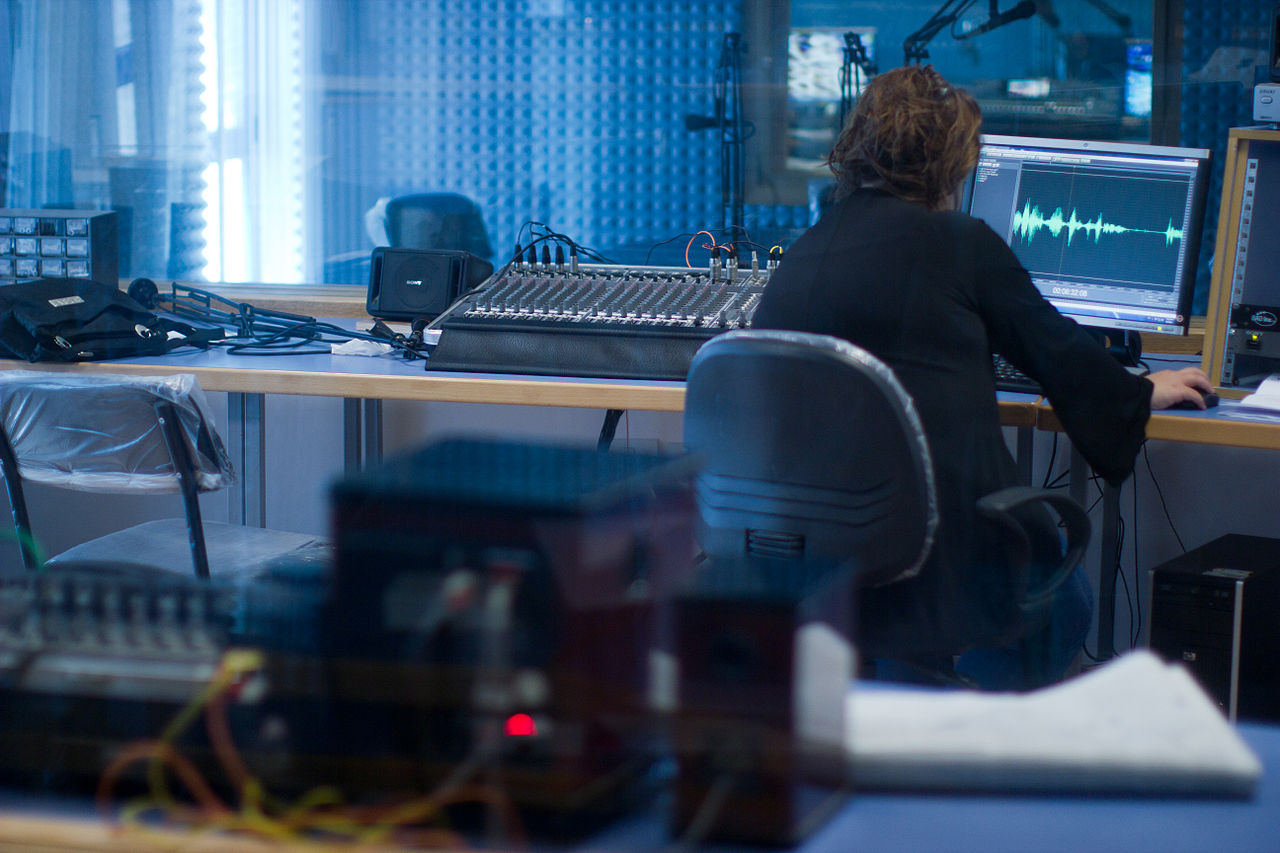
Audio editing has evolved significantly since the advent of magnetic tape in the 1940s, with pioneers like Les Paul and Mary Ford experimenting with…
Contents
- 🎵 Introduction to Audio Editing
- 📊 History of Audio Editing Software
- 🎧 Wave Editors and Digital Audio
- 🔍 Key Features of Audio Editing Software
- 🎶 Music Editing and Effects
- 📈 Advancements in Audio Editing Technology
- 🤝 Collaboration and Cloud-Based Audio Editing
- 📊 Market Trends and Popular Audio Editing Software
- 🎯 Future of Audio Editing and Emerging Trends
- 📚 Resources for Learning Audio Editing
- 🎧 Real-World Applications of Audio Editing
- Frequently Asked Questions
- Related Topics
Overview
Audio editing has evolved significantly since the advent of magnetic tape in the 1940s, with pioneers like Les Paul and Mary Ford experimenting with multitrack recording. The introduction of digital audio workstations (DAWs) in the 1980s revolutionized the field, with software like Pro Tools and Logic Pro becoming industry standards. Today, audio editing is a crucial aspect of music production, film, and television, with controversy surrounding the use of auto-tune and other corrective tools. The influence of audio editing can be seen in the work of artists like Kanye West, who has been open about his use of pitch correction, and sound designers like Ben Burtt, who created the iconic sounds for the Star Wars franchise. With the rise of AI-powered editing tools, the future of audio editing is likely to be shaped by innovators like iZotope and their RX series, which boasts a vibe score of 85 for its groundbreaking noise reduction capabilities. As the technology continues to advance, the question remains: what are the implications of relying on automated editing tools, and how will this impact the creative process?
🎵 Introduction to Audio Editing
The world of audio editing has undergone significant transformations over the years, with the advent of digital technology and the development of sophisticated software. Audio editing software, such as [[Adobe-Audition|Adobe Audition]] and [[Ableton-Live|Ableton Live]], has become an essential tool for music producers, sound engineers, and podcasters. These programs enable users to edit and generate audio data, apply effects and filters, and adjust stereo channels. For instance, [[Pro-Tools|Pro Tools]] is a popular digital audio workstation (DAW) used in the music and film industries. The [[Music-Production|music production]] process has become more streamlined and efficient with the use of audio editing software.
📊 History of Audio Editing Software
The history of audio editing software dates back to the 1970s and 1980s, when the first digital audio workstations (DAWs) were developed. These early systems were limited in their capabilities and were primarily used in professional recording studios. However, with the advent of the personal computer and the development of software such as [[Cakewalk|Cakewalk]] and [[Cubase|Cubase]], audio editing became more accessible to the masses. The [[Digital-Audio-Workstation|digital audio workstation]] has evolved significantly over the years, with modern DAWs offering a wide range of features and plugins. For example, [[Logic-Pro|Logic Pro]] is a popular DAW used by music producers and sound engineers.
🎧 Wave Editors and Digital Audio
Wave editors, such as [[Audacity|Audacity]] and [[Adobe-Audition|Adobe Audition]], are a type of digital audio editor that allows users to edit and manipulate audio files. These programs provide a range of features, including the ability to cut, copy, and paste audio segments, as well as apply effects and filters. Wave editors are commonly used for [[Podcast-Production|podcast production]], [[Music-Production|music production]], and [[Post-Production|post-production]] work. The [[Audio-Engineering|audio engineering]] process involves the use of wave editors to edit and mix audio tracks. For instance, [[FL-Studio|FL Studio]] is a popular DAW used by music producers and audio engineers.
🔍 Key Features of Audio Editing Software
Audio editing software offers a wide range of features and tools, including the ability to edit music, apply effects and filters, and adjust stereo channels. Many programs, such as [[Ableton-Live|Ableton Live]] and [[Logic-Pro|Logic Pro]], also offer advanced features such as beat detection, pitch correction, and surround sound mixing. The [[Music-Editing|music editing]] process involves the use of audio editing software to edit and arrange music tracks. For example, [[Pro-Tools|Pro Tools]] is a popular DAW used in the music and film industries. The [[Audio-Post-Production|audio post-production]] process involves the use of audio editing software to edit and mix audio tracks for film and television.
🎶 Music Editing and Effects
Music editing is a key feature of audio editing software, allowing users to edit and arrange music tracks. Many programs, such as [[FL-Studio|FL Studio]] and [[Cubase|Cubase]], offer advanced music editing features, including the ability to edit MIDI files and create complex drum patterns. The [[Music-Production-Software|music production software]] market is highly competitive, with many popular DAWs available. For instance, [[Ableton-Live|Ableton Live]] is a popular DAW used by music producers and live performers. The [[Electronic-Music-Production|electronic music production]] process involves the use of audio editing software to create and edit electronic music tracks.
📈 Advancements in Audio Editing Technology
The audio editing technology has undergone significant advancements in recent years, with the development of cloud-based services and artificial intelligence-powered tools. Cloud-based audio editing platforms, such as [[Avid-Cloud|Avid Cloud]] and [[Adobe-Creative-Cloud|Adobe Creative Cloud]], allow users to access and edit audio files from anywhere, at any time. The [[Cloud-Computing|cloud computing]] model has revolutionized the way audio editing software is used and accessed. For example, [[Google-Cloud|Google Cloud]] is a popular cloud-based platform used by audio engineers and music producers. The [[Artificial-Intelligence|artificial intelligence]] technology is being used to develop new audio editing tools and plugins.
🤝 Collaboration and Cloud-Based Audio Editing
Collaboration is a key aspect of audio editing, and many software programs, such as [[Ableton-Live|Ableton Live]] and [[Logic-Pro|Logic Pro]], offer features that enable real-time collaboration and feedback. Cloud-based audio editing platforms, such as [[Avid-Cloud|Avid Cloud]] and [[Adobe-Creative-Cloud|Adobe Creative Cloud]], also allow users to collaborate on projects and share files easily. The [[Collaboration-Tools|collaboration tools]] market is highly competitive, with many popular platforms available. For instance, [[Asana|Asana]] is a popular project management platform used by audio engineers and music producers. The [[Team-Collaboration|team collaboration]] process involves the use of cloud-based platforms to collaborate on audio editing projects.
📊 Market Trends and Popular Audio Editing Software
The market for audio editing software is highly competitive, with many popular programs available, including [[Pro-Tools|Pro Tools]], [[Ableton-Live|Ableton Live]], and [[Logic-Pro|Logic Pro]]. The [[Digital-Audio-Workstation|digital audio workstation]] market is dominated by a few major players, including [[Avid|Avid]] and [[Adobe|Adobe]]. The [[Audio-Editing-Software|audio editing software]] market is expected to grow significantly in the coming years, driven by the increasing demand for audio content. For example, [[Podcast-Production|podcast production]] is a growing market that requires the use of audio editing software.
🎯 Future of Audio Editing and Emerging Trends
The future of audio editing is likely to be shaped by emerging trends, such as the use of artificial intelligence and machine learning algorithms to automate editing tasks. Cloud-based audio editing platforms are also likely to become more prevalent, allowing users to access and edit audio files from anywhere, at any time. The [[Artificial-Intelligence|artificial intelligence]] technology is being used to develop new audio editing tools and plugins. For instance, [[iZotope|iZotope]] is a popular audio editing plugin used by music producers and audio engineers. The [[Cloud-Computing|cloud computing]] model is expected to dominate the audio editing software market in the coming years.
📚 Resources for Learning Audio Editing
For those looking to learn audio editing, there are many resources available, including online tutorials and courses, such as [[Udemy|Udemy]] and [[Coursera|Coursera]]. Many software programs, such as [[Ableton-Live|Ableton Live]] and [[Logic-Pro|Logic Pro]], also offer built-in tutorials and guides to help users get started. The [[Audio-Engineering|audio engineering]] process involves the use of audio editing software to edit and mix audio tracks. For example, [[Pro-Tools|Pro Tools]] is a popular DAW used in the music and film industries. The [[Music-Production|music production]] process involves the use of audio editing software to create and edit music tracks.
🎧 Real-World Applications of Audio Editing
Audio editing has a wide range of real-world applications, including music production, podcast production, and post-production work for film and television. Many industries, such as the music and film industries, rely heavily on audio editing software to create and edit audio content. The [[Music-Industry|music industry]] is a significant user of audio editing software, with many popular DAWs available. For instance, [[Ableton-Live|Ableton Live]] is a popular DAW used by music producers and live performers. The [[Film-Industry|film industry]] is also a significant user of audio editing software, with many popular DAWs available.
Key Facts
- Year
- 2023
- Origin
- United States, with global contributions from innovators in the music and film industries
- Category
- Music Technology
- Type
- Technical Concept
Frequently Asked Questions
What is audio editing software?
Audio editing software is any software or computer program that allows editing and generating audio data. It can be implemented completely or partly as a library, as a computer application, as a web application, or as a loadable kernel module. For example, [[Pro-Tools|Pro Tools]] is a popular DAW used in the music and film industries. The [[Music-Production|music production]] process involves the use of audio editing software to create and edit music tracks.
What are the key features of audio editing software?
Audio editing software offers a wide range of features, including the ability to edit music, apply effects and filters, and adjust stereo channels. Many programs, such as [[Ableton-Live|Ableton Live]] and [[Logic-Pro|Logic Pro]], also offer advanced features such as beat detection, pitch correction, and surround sound mixing. The [[Digital-Audio-Workstation|digital audio workstation]] market is dominated by a few major players, including [[Avid|Avid]] and [[Adobe|Adobe]].
What are the benefits of using cloud-based audio editing platforms?
Cloud-based audio editing platforms, such as [[Avid-Cloud|Avid Cloud]] and [[Adobe-Creative-Cloud|Adobe Creative Cloud]], offer a range of benefits, including the ability to access and edit audio files from anywhere, at any time. They also enable real-time collaboration and feedback, making it easier to work with others on audio projects. The [[Cloud-Computing|cloud computing]] model is expected to dominate the audio editing software market in the coming years.
What is the future of audio editing?
The future of audio editing is likely to be shaped by emerging trends, such as the use of artificial intelligence and machine learning algorithms to automate editing tasks. Cloud-based audio editing platforms are also likely to become more prevalent, allowing users to access and edit audio files from anywhere, at any time. The [[Artificial-Intelligence|artificial intelligence]] technology is being used to develop new audio editing tools and plugins.
What are the real-world applications of audio editing?
Audio editing has a wide range of real-world applications, including music production, podcast production, and post-production work for film and television. Many industries, such as the music and film industries, rely heavily on audio editing software to create and edit audio content. The [[Music-Industry|music industry]] is a significant user of audio editing software, with many popular DAWs available.
What are the key differences between wave editors and digital audio workstations?
Wave editors, such as [[Audacity|Audacity]] and [[Adobe-Audition|Adobe Audition]], are a type of digital audio editor that allows users to edit and manipulate audio files. Digital audio workstations, such as [[Ableton-Live|Ableton Live]] and [[Logic-Pro|Logic Pro]], are more advanced programs that offer a wide range of features, including the ability to edit music, apply effects and filters, and adjust stereo channels. The [[Digital-Audio-Workstation|digital audio workstation]] market is dominated by a few major players, including [[Avid|Avid]] and [[Adobe|Adobe]].
What are the system requirements for running audio editing software?
The system requirements for running audio editing software vary depending on the program and the type of computer being used. Generally, a fast processor, plenty of RAM, and a high-quality sound card are recommended. The [[Computer-Hardware|computer hardware]] requirements for audio editing software are significant, with many programs requiring a high-performance computer to run smoothly.