Antacids | Vibepedia
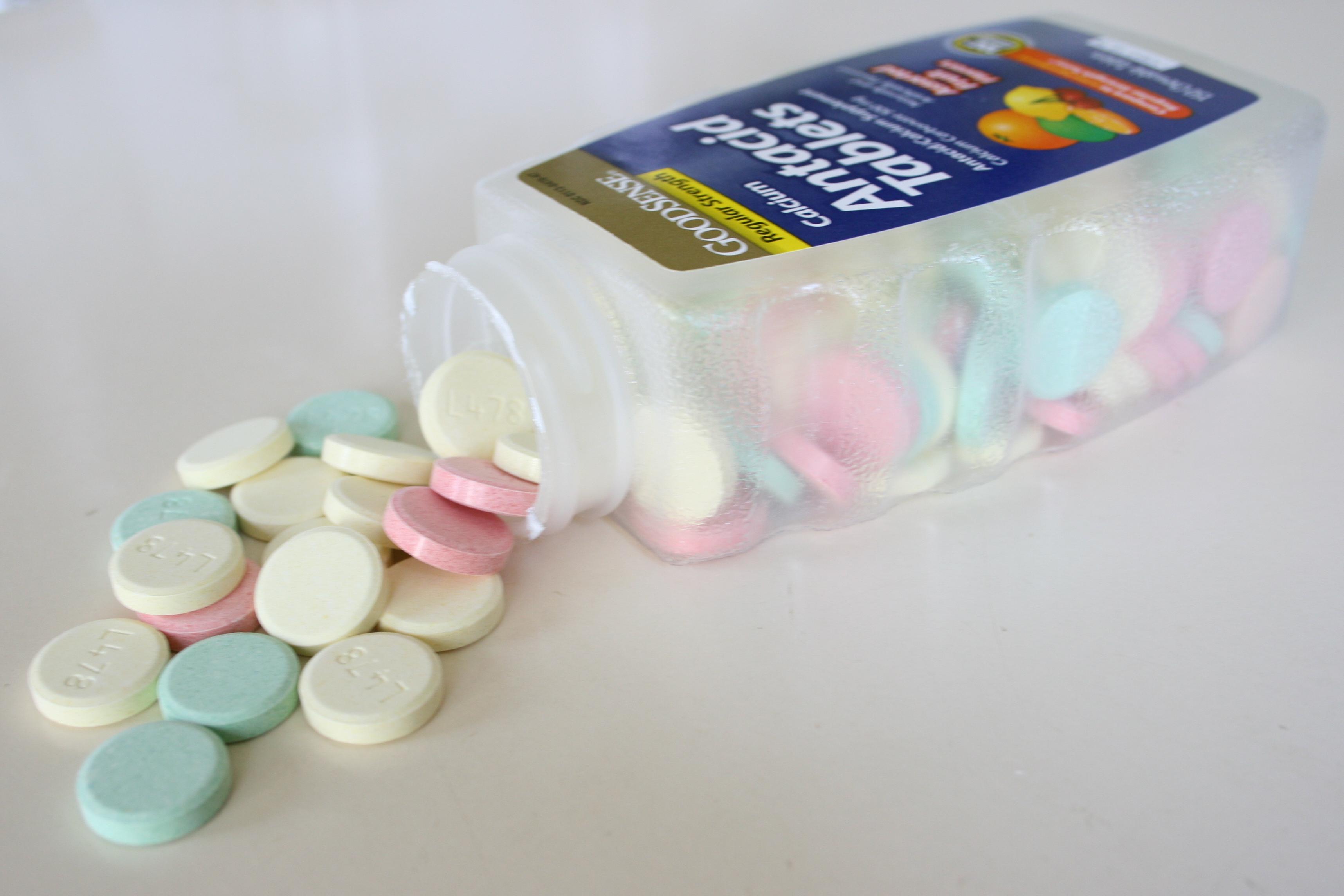
Antacids are substances designed to neutralize stomach acid, providing rapid relief from symptoms like heartburn, indigestion, and upset stomach. Primarily…
Contents
Overview
Antacids are substances designed to neutralize stomach acid, providing rapid relief from symptoms like heartburn, indigestion, and upset stomach. Primarily composed of salts of aluminum, calcium, magnesium, or sodium, these over-the-counter medications work by directly reacting with hydrochloric acid (HCl) in the stomach, increasing its pH. While effective for immediate symptom management, they do not address the underlying causes of acid reflux and can have side effects. Their history stretches back centuries, evolving from simple alkaline powders to sophisticated formulations, making them a ubiquitous presence in medicine cabinets worldwide, with global sales reaching billions of dollars annually.
🎵 Origins & History
The concept of neutralizing excess stomach acid is ancient, with early remedies involving naturally alkaline substances. Historical texts from ancient Egypt and Rome describe the use of chalk, lime, and powdered shells to soothe digestive complaints. The early 20th century saw the commercialization of specific compounds like magnesium carbonate and sodium bicarbonate. This marked a significant shift towards readily available, mass-produced remedies for common ailments.
⚙️ How It Works
Antacids function through a straightforward acid-base neutralization reaction. The active ingredients, typically metal hydroxides or carbonates (like aluminum hydroxide, magnesium hydroxide, calcium carbonate, and sodium bicarbonate), directly react with hydrochloric acid (HCl) in the stomach. This reaction consumes hydrogen ions, thereby increasing the stomach's pH and reducing the acidity that causes discomfort. Some formulations combine different metal salts, like magnesium and aluminum hydroxides, to mitigate individual side effects, such as the laxative effect of magnesium or the constipating effect of aluminum.
📊 Key Facts & Numbers
Brands like Tums (calcium carbonate) and Pepcid AC (famotidine, a proton pump inhibitor often grouped with antacids for symptom relief) are household names. The average consumer might purchase 2-3 packages of antacids per year, with peak sales often occurring around holidays and periods of heavy indulgence.
👥 Key People & Organizations
While no single individual is credited with "inventing" antacids, pioneers in gastroenterology and pharmaceutical development have shaped their modern form. Dr. Joseph B. Kirsner was a prominent gastroenterologist at the University of Chicago from the mid-20th century. Pharmaceutical giants like Pfizer (with brands like Tums) and Bayer (with Alka-Seltzer) have been instrumental in the widespread availability and marketing of antacids. Organizations like the U.S. Food and Drug Administration (FDA) play a crucial role in regulating their safety and efficacy, classifying them as over-the-counter medications.
🌍 Cultural Impact & Influence
Antacids have become deeply embedded in Western culture, often depicted in media as a quick fix for overeating or stressful situations. Their ubiquity has normalized the idea of immediate relief for digestive discomfort, influencing consumer expectations for health products. The iconic jingle for Alka-Seltzer, "Plop, plop, fizz, fizz, oh what a relief it is!", became a cultural touchstone in the mid-20th century, cementing the product's image as a reliable solution. This cultural resonance has contributed to their status as one of the most commonly used self-care products globally, alongside pain relievers and bandages.
⚡ Current State & Latest Developments
The current landscape of antacids is marked by a continued reliance on traditional formulations while also seeing innovation in delivery systems and combination therapies. Newer products may incorporate alginates, which form a protective barrier on top of stomach contents. Some antacids are combined with H2 blockers like famotidine for longer-lasting relief. The rise of telemedicine platforms has also influenced how consumers access advice regarding digestive health, though antacids themselves remain primarily over-the-counter. The focus is increasingly on distinguishing between occasional heartburn and more serious conditions like GERD.
🤔 Controversies & Debates
A primary controversy surrounding antacids centers on their role as a temporary band-aid rather than a cure for underlying digestive issues. Critics argue that widespread reliance on antacids can mask symptoms of more serious conditions like peptic ulcers or GERD, potentially delaying diagnosis and treatment. Furthermore, the long-term effects of chronic antacid use, particularly concerning mineral absorption and potential kidney strain from certain formulations (e.g., high calcium intake), are subjects of ongoing medical discussion. The debate also touches on marketing practices, with concerns that some advertising might oversimplify digestive health issues.
🔮 Future Outlook & Predictions
The future of antacids likely involves greater integration with personalized medicine and a deeper understanding of the gut microbiome. While basic neutralization will remain a core function, expect to see more sophisticated formulations that target specific digestive pathways or work in conjunction with probiotics. Advances in drug delivery systems could lead to more sustained-release antacids or novel formulations that offer enhanced efficacy with fewer side effects. There's also a growing interest in natural or plant-based alternatives, though their efficacy and regulatory status remain subjects of scrutiny compared to established chemical compounds. The distinction between occasional indigestion and chronic conditions will likely become even more pronounced, guiding consumers toward more targeted treatments.
💡 Practical Applications
Antacids are primarily used for the symptomatic relief of heartburn, indigestion, acid indigestion, and upset stomach caused by excess stomach acid. They are a go-to for immediate relief after consuming trigger foods like spicy meals, fatty foods, or alcohol. Some antacid formulations can be used to treat constipation (magnesium-based) or diarrhea (aluminum-based), although these are less common applications. They are also employed in medical settings, sometimes as part of a regimen to manage peptic ulcer symptoms or as a buffer during certain medical procedures. Their accessibility makes them a first-line defense for millions experiencing transient gastric discomfort.
Key Facts
- Category
- science
- Type
- product