African Forest Elephant | Vibepedia
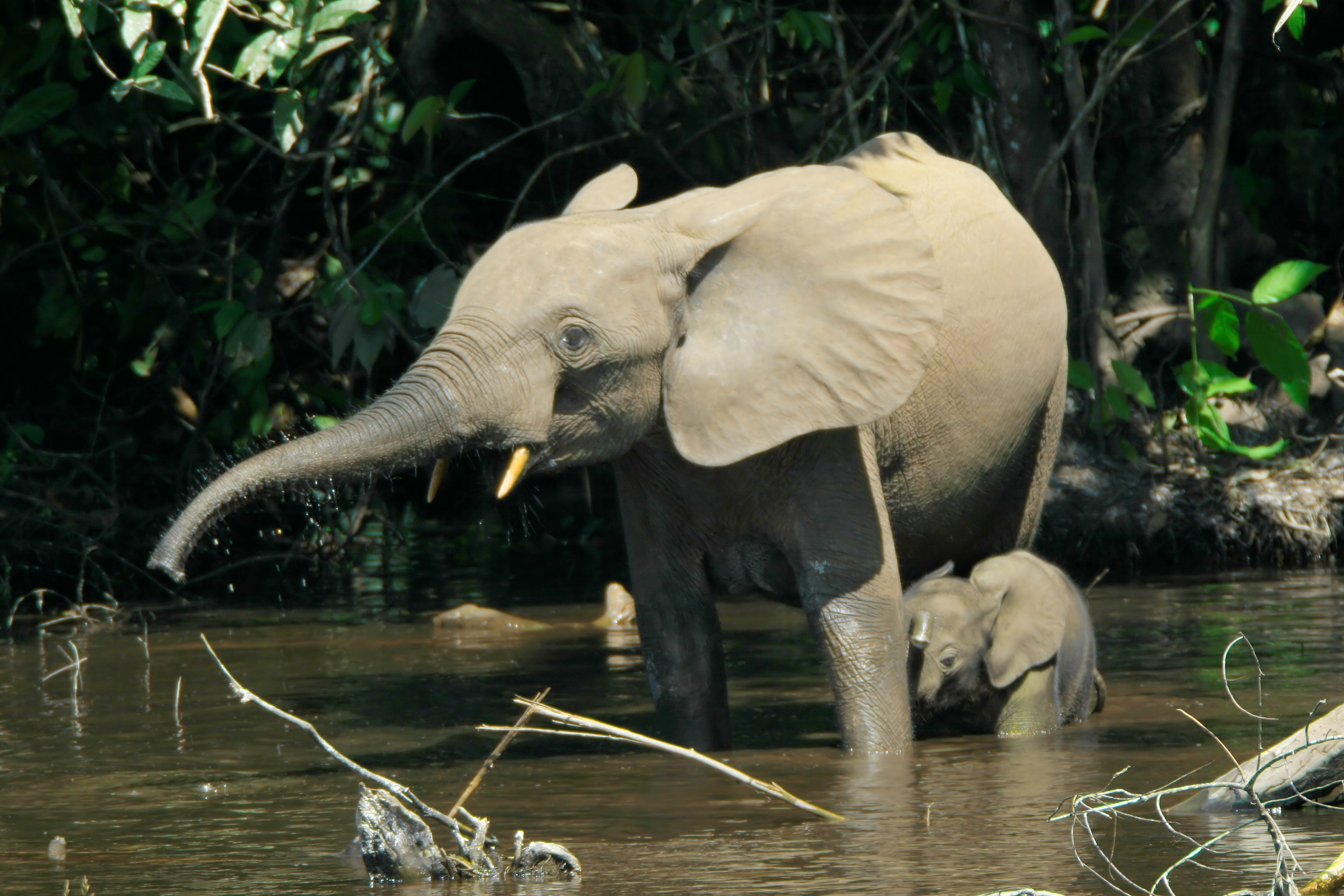
The African forest elephant is a distinct elephant species inhabiting the dense tropical forests of West Africa and the Congo Basin, first scientifically…
Contents
Overview
The lineage of the African forest elephant traces back millions of years, with its distinct divergence from its savanna-dwelling cousin, the African bush elephant (Loxodonta africana), becoming scientifically recognized only in the early 20th century. While early naturalists observed differences, it wasn't until 1900 that German zoologist Max Schlosser formally described Loxodonta cyclotis. Genetic studies in the 21st century, notably a 2001 paper published in the journal Nature by Alfred Roca and colleagues, solidified its status as a separate species, revealing a divergence estimated to have occurred between 2 to 7 million years ago. This evolutionary split is attributed to geographical isolation within the vast, ancient rainforests of Central Africa, allowing unique adaptations to develop in response to the dense forest environment. The historical presence of these elephants is deeply intertwined with the ecological development of the Congo Basin, influencing vegetation patterns long before human encroachment became a significant factor.
⚙️ How It Works
The African forest elephant's physiology and behavior are finely tuned to its arboreal habitat. Their smaller stature, compared to savanna elephants, allows them to navigate the dense undergrowth and lower forest canopy with greater ease. Their straight tusks, unlike the curved tusks of the bush elephant, are adapted for digging for roots and water sources, as well as for stripping bark from trees, a significant component of their diet. Socially, they operate in tight-knit matriarchal herds led by the oldest and most experienced female, who guides the group to food and water sources and protects them from threats. Communication occurs through a complex array of infrasonic rumbles, trumpets, and body language, allowing them to coordinate movements and signal danger across the dense forest. Their digestive system is remarkably efficient at processing tough plant matter, and their droppings, often containing undigested seeds, are crucial for the regeneration of forest flora, making them vital ecosystem engineers.
📊 Key Facts & Numbers
African forest elephants are estimated to number between 100,000 and 200,000 individuals, a stark decline from historical populations that may have reached over a million. Their range historically spanned across 21 countries in West and Central Africa, but is now fragmented, with the largest populations concentrated in Gabon and the Republic of Congo. These elephants typically reach a shoulder height of 2.16 meters (7 ft 1 in) and weigh between 2,000 and 4,000 kilograms (4,400 to 8,800 pounds). Their lifespan can exceed 60 years in the wild. A significant statistic is that they are responsible for dispersing seeds over distances averaging 5 kilometers (3.1 miles), impacting the distribution of at least 96 plant species. Poaching for ivory has reduced their numbers by an estimated 62% in the last decade alone, with some localized populations experiencing declines of over 80%.
👥 Key People & Organizations
While no single individual is solely credited with the discovery of the African forest elephant as a distinct species, numerous scientists and conservationists have been instrumental in its study and protection. Zoologists like Max Schlosser first formally described the species in 1900. More recently, geneticists such as Alfred Roca at the University of Illinois have provided definitive evidence of its species status through DNA analysis. Conservation organizations like the Wildlife Conservation Society (WCS), led by figures such as Dr. John Fay, and the World Wildlife Fund (WWF) are at the forefront of efforts to protect forest elephants through anti-poaching patrols, habitat preservation, and community engagement programs across countries like Cameroon, the Central African Republic, and Equatorial Guinea. The African Elephant Specialist Group of the IUCN also plays a crucial role in assessing population status and guiding conservation strategies.
🌍 Cultural Impact & Influence
The African forest elephant holds deep cultural significance across various ethnic groups within its range. In many Central African cultures, elephants are revered as symbols of strength, wisdom, and longevity, often featuring in folklore, art, and traditional ceremonies. Their ivory has historically been a valuable commodity, leading to complex relationships between human communities and elephant populations, sometimes involving conflict and sometimes reverence. The elephant's role as a 'gardener of the forest' is increasingly recognized, highlighting its profound impact on the ecological health and biodiversity of the Congo Basin, which in turn supports millions of people. The iconic image of the forest elephant, with its straight tusks and dense forest habitat, has become a potent symbol for conservation efforts aimed at preserving the unique natural heritage of Africa.
⚡ Current State & Latest Developments
The current state of the African forest elephant is precarious, with ongoing threats from poaching and habitat loss. Despite being listed as Critically Endangered by the IUCN since 2021, illegal ivory trade remains a significant challenge, particularly in regions with weak governance and ongoing conflict. Habitat fragmentation due to logging, agriculture, and infrastructure development further isolates populations, reducing genetic diversity and limiting access to essential resources. However, there are glimmers of hope. Increased international pressure and improved anti-poaching efforts in some protected areas, such as the Odzala-Kokoua National Park in the Republic of Congo, have shown localized success in stabilizing or even increasing elephant numbers. The development of advanced monitoring techniques, including satellite imagery and acoustic sensors, is also providing better data for conservation planning. The recent establishment of the Congo Basin Forest Partnership (CBFP) aims to foster greater regional cooperation for conservation.
🤔 Controversies & Debates
The primary controversy surrounding African forest elephants centers on their conservation status and the effectiveness of current protection measures. While scientifically recognized as a distinct species, some older conservation frameworks have historically lumped them together with savanna elephants, potentially diluting targeted conservation efforts. Debates persist regarding the most effective anti-poaching strategies, with arguments for increased ranger presence versus community-based conservation models that provide economic incentives for local populations to protect elephants. The ethics of ivory trade bans versus regulated trade also remain a contentious issue, with proponents of regulated trade arguing it could reduce poaching by meeting demand through legal channels, while opponents fear it would legitimize the trade and exacerbate the crisis. Furthermore, the impact of climate change on their forest habitat and the long-term viability of their food sources is an area of growing concern and scientific debate.
🔮 Future Outlook & Predictions
The future of the African forest elephant hinges on sustained and intensified conservation efforts. Projections suggest that without significant intervention, populations could continue to decline, potentially facing localized extinctions within the next few decades. However, optimistic scenarios envision a future where robust anti-poaching networks, coupled with effective habitat management and community involvement, lead to population recovery. Advances in genetic research may offer new tools for monitoring and managing isolated populations. The potential for increased ecotourism, focused on responsible wildlife viewing, could provide sustainable economic benefits for local communities, further incentivizing elephant protection. International cooperation and strong political will across the 21 range states will be paramount in securing a future for Loxodonta cyclotis, with some experts predicting a 30-50% population increase in well-managed reserves by 2050 if current trends are reversed.
💡 Practical Applications
The African forest elephant's primary practical application is its indispensable role as an ecosystem engineer within the Congo Basin rainforest. By consuming fruits and dispersing seeds, they facilitate the regeneration and maintenance of forest biodiversity, influencing the distribution and abundance of numerous plant species. This seed dispersal is critical for the health of the forest, which in turn provides vital ecosystem services, including carbon sequestration, clima
Key Facts
- Category
- nature
- Type
- topic